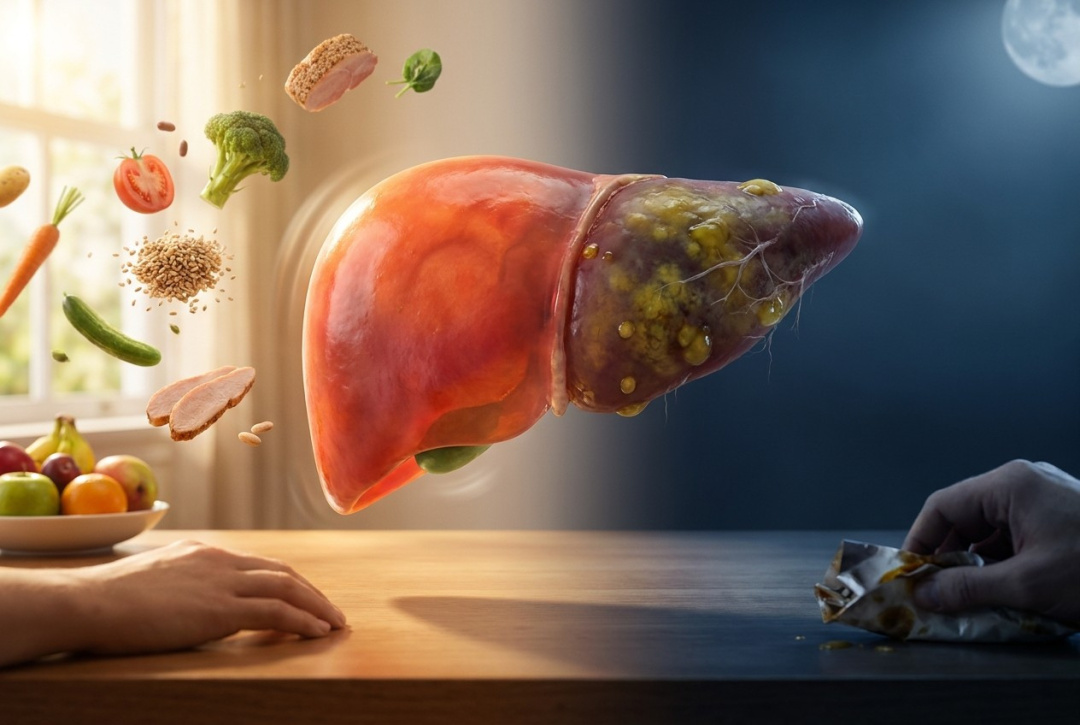
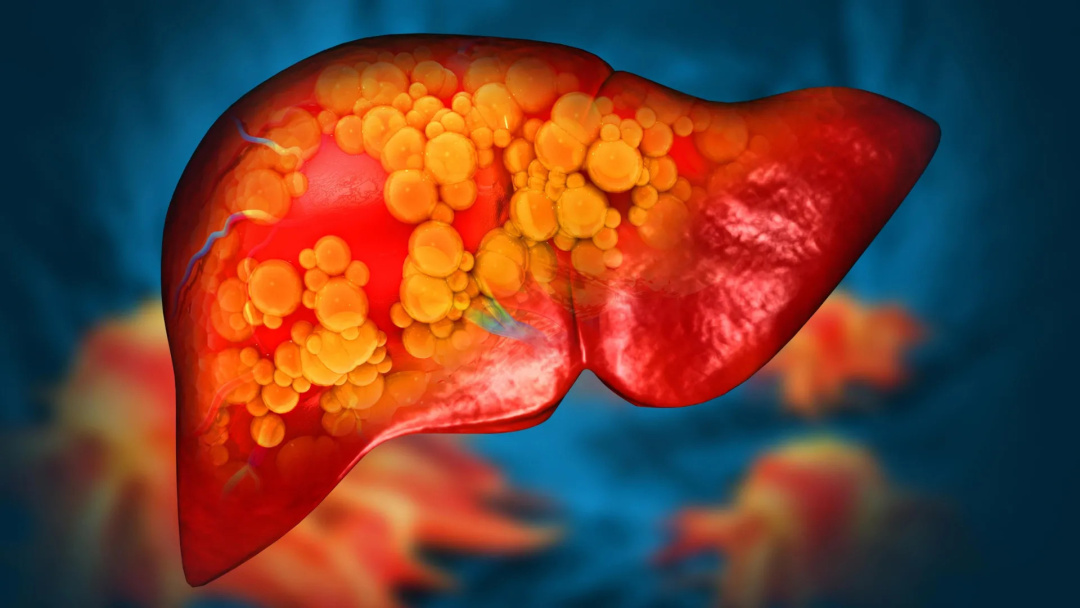
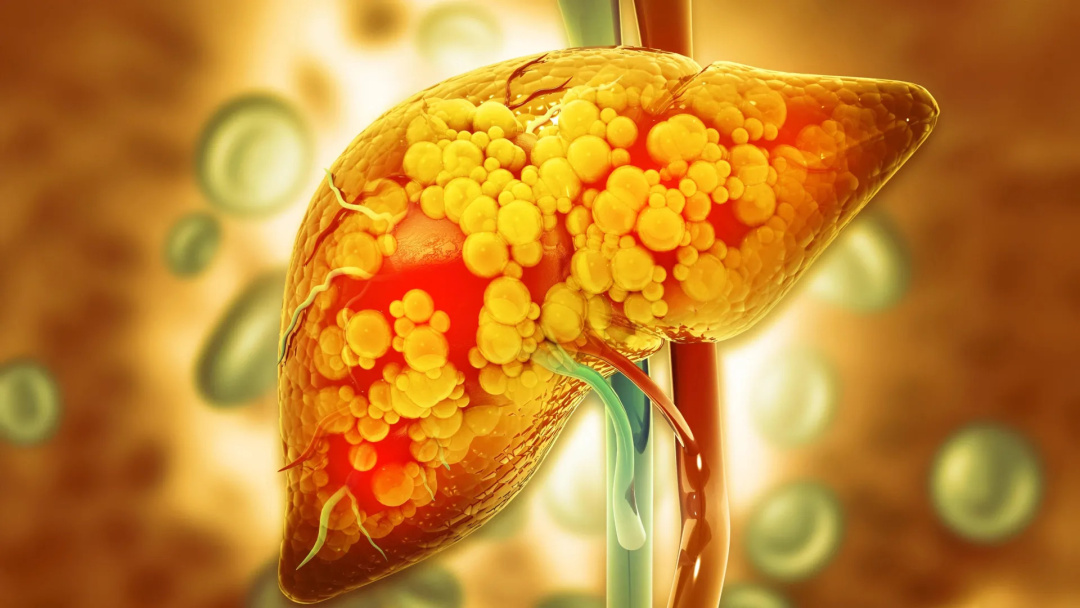
A recent study involving nearly 200,000 U.S. adults has found that late-night eating is linked to a 36% higher risk of developing fatty liver disease and a 28% increased risk of cirrhosis. This research highlights the importance of meal timing in relation to liver health, sugges…
A recent study involving nearly 200,000 adults has found that late-night eating is associated with a higher risk of liver diseases, including metabolic dysfunction-associated stea…
Rhubarb, often overlooked in grocery stores, is gaining attention for its potential health benefits, particularly related to cholesterol management and digestion. Recent studies i…
A recent study involving nearly 200,000 participants has found that eating late at night is associated with a significantly higher risk of liver disease, including metabolic dysfu…
A recent study from Oregon Health & Science University and Massachusetts General Hospital has revealed that eating late at night is associated with a higher risk of developing fat…
A recent study has found a significant association between late-night snacking and a higher risk of two liver diseases: cirrhosis and metabolic dysfunction-associated steatotic li…
A study from Oregon Health & Science University indicates that eating late at night may significantly increase the risk of liver disease. Researchers found that individuals who re…
A study led by Cedars-Sinai Health Sciences University has identified the UBE2N enzyme as a potential protector against the progression of fatty liver disease, which affects appro…
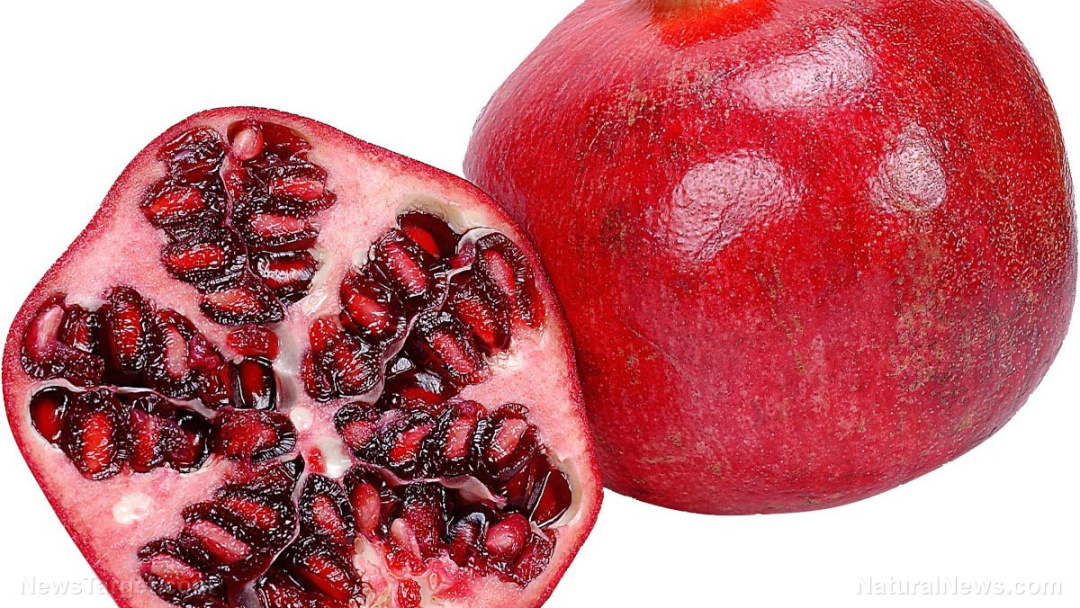
Pomegranates are gaining recognition for their potential protective effects on liver health, particularly against conditions like fatty liver disease. Rich in polyphenols and anti…
A significant portion of Americans are not meeting their daily fiber intake, with only about 5% achieving the recommended 25 to 38 grams. While broccoli is known for its fiber con…
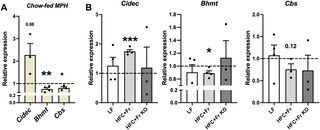
A recent study investigates the role of peroxisome proliferator-activated receptor gamma (PPARγ) in regulating genes associated with the hepatic methionine cycle under various met…
A recent analysis of over 6,300 adults with fatty liver disease has found that plant-based omega-3 fatty acids, particularly alpha-linolenic acid (ALA) from sources like flaxseed…
A recent study published in the International Journal of Obesity reveals that the deletion of the melanocortin 1 receptor (MC1R) in liver cells leads to significant metabolic chan…

 Breathing.Food