Research Identifies UBE2N Enzyme as a Potential Protector Against Fatty Liver Disease
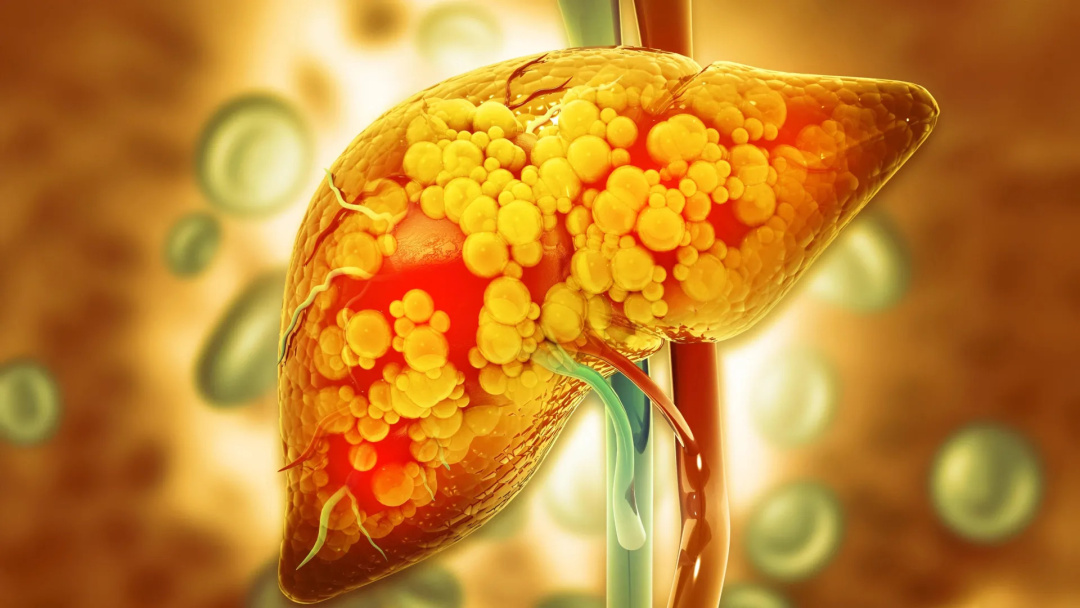
Researchers from Cedars-Sinai Health Sciences University have made significant strides in understanding fatty liver disease, specifically metabolic dysfunction-associated steatotic liver disease (MASLD), which impacts around 100 million people in the United States. Their findings, published in Nature Metabolism, highlight the enzyme UBE2N, which appears to play a crucial role in protecting the liver from damage as the disease advances. Approximately 20% to 25% of individuals with MASLD may progress to a more severe form known as metabolic dysfunction-associated steatohepatitis (MASH), characterized by inflammation, cell injury, and scarring of the liver. Current treatment primarily involves lifestyle modifications and there are limited medication options available, with no cure for MASH at present. Previous studies have indicated that damaged mitochondria contribute to the progression of MASH. In this new multicenter study, researchers observed that levels of UBE2N decline in liver cells as MASLD progresses. Dr. Ekihiro Seki, a co-corresponding author of the study, stated, "The UBE2N enzyme appears to protect the liver from the inflammation and damage associated with MASH by helping remove damaged mitochondria and supporting the breakdown of fat." When UBE2N levels were restored to normal in laboratory mice, researchers noted a reduction in fat accumulation, inflammation, and scarring in the liver. These findings suggest that UBE2N could serve as a potential therapeutic target to prevent MASLD from worsening into MASH. Dr. Shelly Lu, another key researcher, emphasized the importance of understanding this enzyme's role in liver health, stating, "The identification of this enzyme's role in regulating mitochondria in the liver is an important advance in understanding steatotic liver disease." Future research will focus on whether enhancing this protective pathway can improve existing treatments and identify patients who would benefit most from such interventions. The study received funding from various organizations including the National Research Foundation of Korea and the National Institutes of Health, underscoring the collaborative effort in tackling this significant health issue.