Exploring High-Fiber Vegetables Beyond Broccoli for Better Nutrition
Americans are experiencing a notable fiber deficit, with only around 5% of adults meeting the recommended daily intake of 25 to 38 grams, as reported by the U.S. Department of Agriculture. This shortfall is concerning because fiber plays a crucial role in various health aspects, including lowering cholesterol levels, stabilizing blood sugar, aiding in weight management, and nourishing beneficial gut bacteria. For those focused on evidence-based nutrition, the pressing question is not merely whether to increase fiber intake, but rather which vegetables can provide the highest amounts.
Broccoli has long been celebrated as a fiber-rich vegetable, offering approximately 5 grams of fiber per cooked cup. However, a closer examination of current nutritional data reveals at least seven other vegetables that either match or exceed this amount, with some providing more than three times the fiber content of broccoli. This information has been compiled from registered dietitians and USDA nutritional databases that have been updated through 2026.
Leading the list of high-fiber vegetables is the unassuming split pea, which delivers a remarkable 16 grams of fiber per cooked cup—over three times the fiber found in an equivalent serving of broccoli. In addition to fiber, split peas are a good source of protein, making them particularly effective for promoting feelings of fullness. Their pre-split nature means they require no soaking and can be cooked to a soft texture in about 30 minutes, making them an ideal addition to soups and stews.
Following closely is acorn squash, which provides 9 grams of fiber per cooked cup. Its naturally sweet and nutty flavor makes it a favored side dish during colder months. Nutritionists suggest keeping the skin on to enhance its fiber content further. Acorn squash is also rich in vitamin C and potassium, both of which are important for immune function and maintaining healthy blood pressure levels.
Green peas, despite their small size, offer nearly 9 grams of fiber per cooked cup along with about 9 grams of protein. Their nutrient density and versatility allow them to be used in a variety of dishes, both savory and sweet.
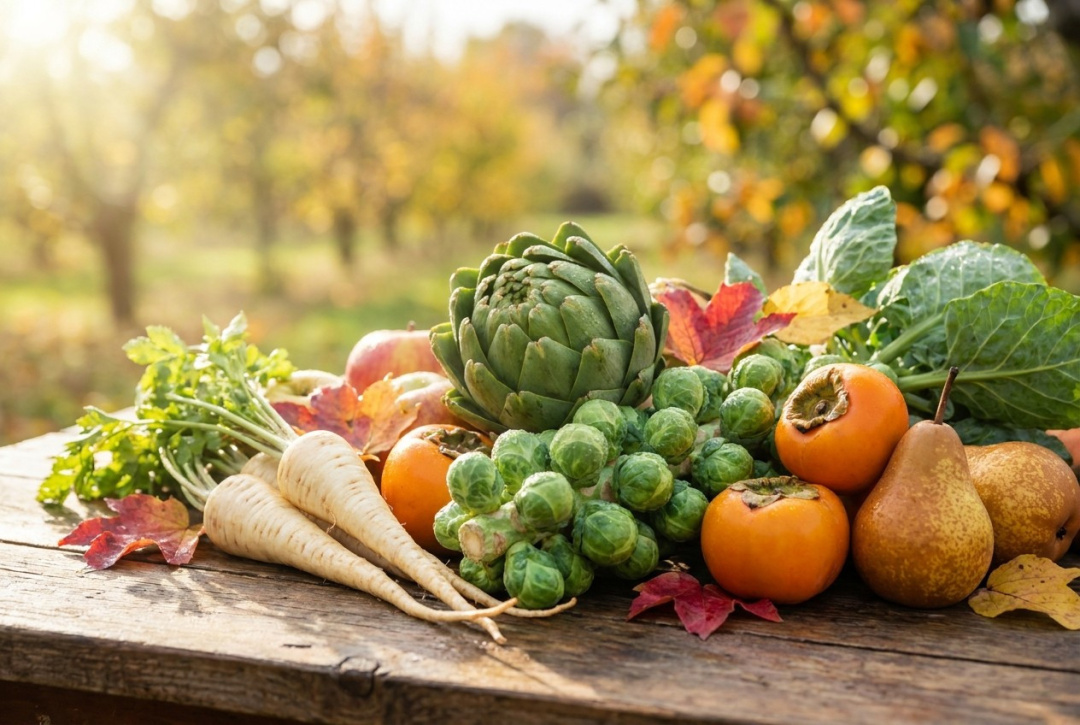
Artichokes, while more labor-intensive to prepare, provide around 7 grams of fiber per medium cooked artichoke. They are particularly high in inulin, a soluble fiber that acts as a prebiotic, promoting the growth of beneficial gut bacteria. Additionally, artichokes contain cynarin, a compound associated with digestive and liver health.
Collard greens, a staple in Southern cuisine often simmered until tender, contain 6 grams of fiber per cooked cup. They are also excellent sources of vitamin K and calcium, both vital for bone health. Raw collard leaves can shrink significantly when cooked, meaning a small serving can pack a substantial nutritional punch.
Brussels sprouts, another member of the cruciferous vegetable family, provide 6 grams of fiber per cooked cup. Roasting these vegetables can enhance their natural sweetness, which may help mitigate the bitterness some people experience when they are steamed. Like broccoli, Brussels sprouts are rich in vitamins C and K and contain compounds that may help reduce inflammation.
Sweet potatoes also contribute nearly 7 grams of fiber per cooked cup, along with beta-carotene, which supports eye health and immune function. Nutritionists recommend consuming the skin to maximize fiber intake.
The fiber deficit observed today is a relatively recent phenomenon. Historically, prior to the industrialization of food production in the early 20th century, diets were much richer in whole plant foods. The increase in processed foods, which often strip away the bran and fiber content from grains and vegetables, has significantly lowered fiber consumption. For instance, white rice contains just 0.4 grams of fiber per half-cup, compared to 1.8 grams in brown rice. This trend is evident throughout the food supply.
The repercussions of low fiber intake are significant, correlating with higher incidences of constipation, hemorrhoids, heart disease, and Type 2 diabetes. The Dietary Guidelines for Americans now recommend 14 grams of fiber for every 1,000 calories consumed, a target that necessitates conscious effort to achieve.
Nutritionists advise gradually increasing fiber intake to prevent digestive discomfort, emphasizing the importance of drinking enough fluids to help fiber move through the digestive system. Practical strategies include leaving edible skins on potatoes and squash, roasting and consuming squash seeds, incorporating chopped broccoli stems into salads and soups, and cooking beet greens instead of discarding them.
Frozen vegetables are a convenient option that retains nutritional value, as they are typically frozen shortly after harvest. However, juicing vegetables removes the pulp and most of the fiber, while blending them into smoothies preserves both nutrients and fiber.
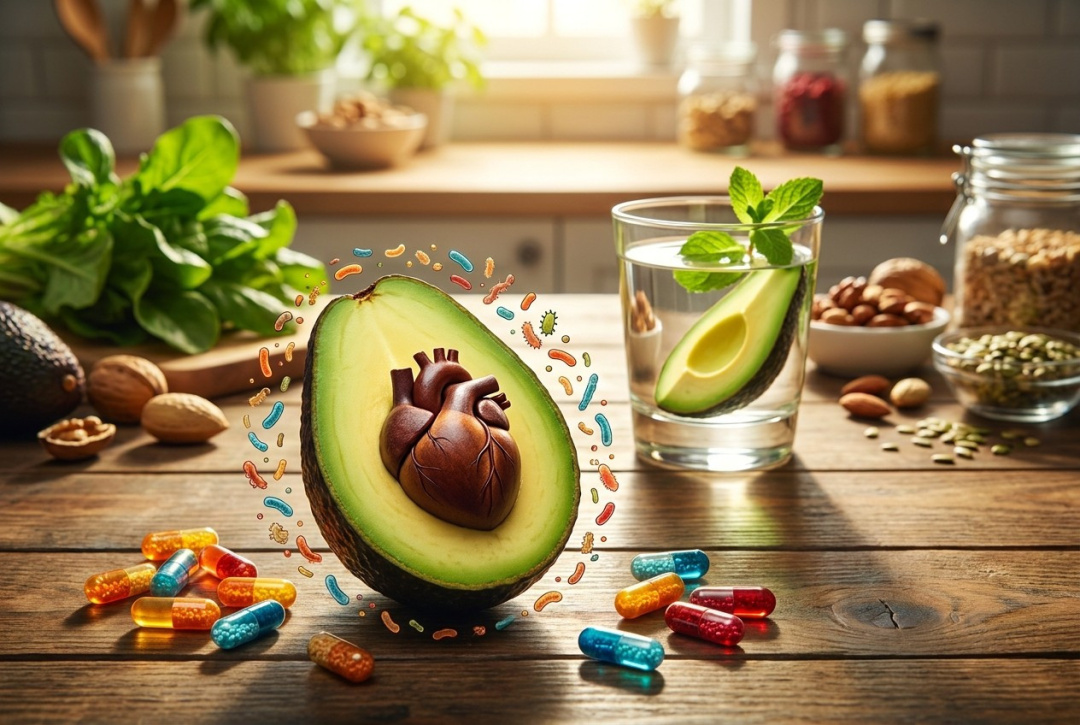
In addition to vegetables, other sources of fiber include whole grains, legumes, fruits like avocados and raspberries, as well as nuts and seeds such as chia, hemp, and flaxseed.
The evidence is clear: Americans need to increase their fiber intake, and vegetables represent one of the most effective means to achieve this goal. While broccoli remains a valuable source of fiber, incorporating a diverse range of vegetables such as split peas, acorn squash, green peas, artichokes, collard greens, Brussels sprouts, and sweet potatoes can significantly enhance fiber consumption without necessitating a complete dietary overhaul. By making informed choices at the grocery store and in the kitchen, individuals can reverse the historical shift away from whole plant foods, leading to improved health outcomes.