Rhubarb May Offer Cholesterol and Digestion Benefits, Studies Suggest
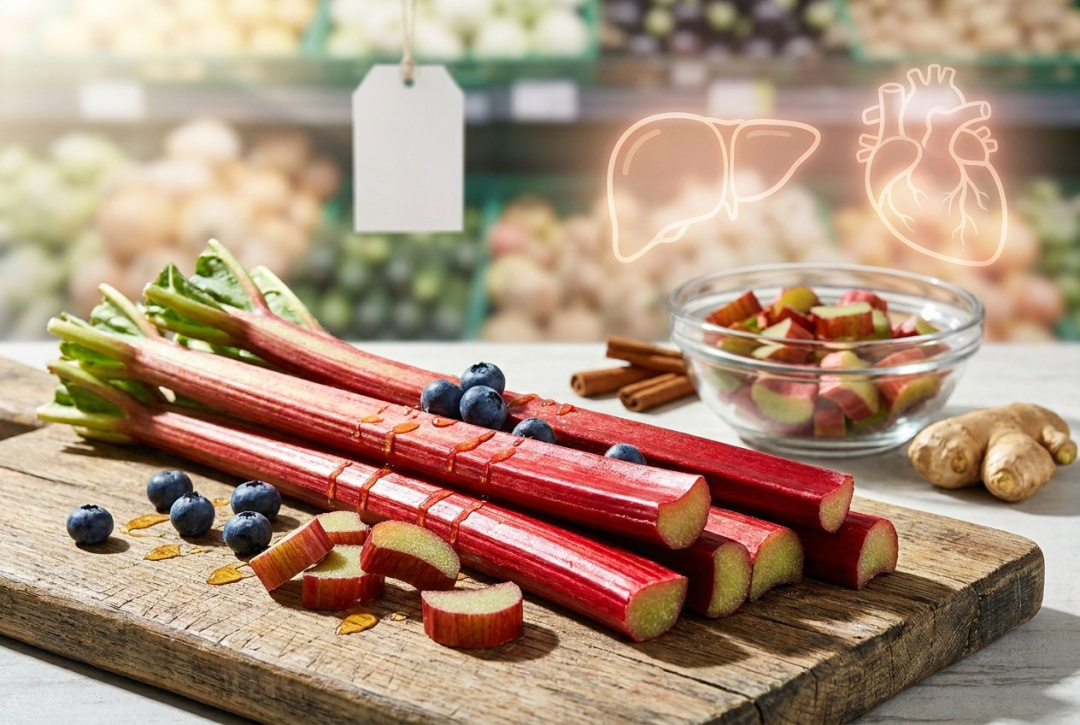
Rhubarb, a tart stalk vegetable typically priced around $2 at grocery stores, is often overlooked due to its sour flavor and short growing season. However, recent reports highlight its potential health benefits, particularly concerning cholesterol management and digestive health. A 2026 study published in the Journal of Nutritional Biochemistry and a 2025 study in Phytomedicine suggest that rhubarb may play a role in lowering cholesterol levels, though it is important to note that these studies were conducted in laboratory or metabolic model settings rather than in human trials.
According to the report, certain types of fiber found in rhubarb can aid in managing cholesterol by promoting bile acid excretion. Soluble fiber binds to bile acids, facilitating their removal from the body. In response, the liver may pull more low-density lipoprotein (LDL) cholesterol from the blood to replace the lost bile acids. Dr. Ronald R. Quinton, medical director of the Goldr, emphasized that rhubarb is primarily recognized for its fiber content, which can contribute to reduced cholesterol levels and enhanced gut health.
The 2026 study in the Journal of Nutritional Biochemistry found that specific plant fractions from raw rhubarb increased bile acid production in the liver and significantly lowered total blood cholesterol in metabolic models. The report also noted that free anthraquinones in rhubarb may work in conjunction with soluble fiber to lower liver enzymes involved in fat and cholesterol metabolism. However, it is crucial to highlight that human clinical trials have yet to confirm these cholesterol-lowering effects.
WebMD corroborates the findings, indicating that rhubarb may help lower bad cholesterol levels and total cholesterol, which can subsequently reduce the risk of heart disease. Additionally, rhubarb contains anthraquinones such as rhein and emodin, which act as gentle natural laxatives. The fermentable fiber and other plant compounds in rhubarb may promote the growth of healthy gut bacteria, support the intestinal lining, and prevent the accumulation of toxic bile acids.
The 2025 study published in Phytomedicine reported that standardized rhubarb extracts reduced inflammatory markers in the gut lining and alleviated oxidative stress in the liver in laboratory models. These effects may help prevent scarring, known as fibrosis, which can lead to irreversible cirrhosis. However, the report reiterates that more research is necessary to understand how these findings translate to everyday diets.
Caution Advised Despite Promising Findings on Rhubarb's Health Benefits
A study in Molecular Nutrition and Food Research also found that rhubarb extract is linked with improved liver health among participants who reported binge drinking alcohol. While these findings are promising, it is essential to approach them with caution, as the studies referenced do not involve human trials.
Dr. Meehan cautioned that the large green leaves of rhubarb should never be consumed, as they are toxic and can harm the kidneys and digestive organs. The edible red stalks contain moderate amounts of oxalates, prompting individuals with a history of calcium oxalate kidney stones or kidney disease to consult a doctor before consuming large quantities. Concentrated rhubarb can upset the stomach or lead to laxative dependence, so moderation is key.
Incorporating Rhubarb: Tips for Enjoying Its Nutritional Benefits
For those looking to incorporate rhubarb into their diets, about 100 to 200 grams, or roughly one to two fresh stalks, can provide beneficial fiber and other plant compounds. Dr. Meehan suggests various ways to enjoy rhubarb, such as stewing it with sweet fruits like berries, adding cinnamon or ginger, tossing thin slices into grain bowls, roasting it with olive oil and honey for meat dishes, or pickling it in apple cider vinegar. However, it is important to avoid piling on added sugar, as this can counteract the health benefits.
Rhubarb leaves are particularly high in oxalates, with a soluble oxalate content of about 1%, making them a notable source of toxicity. As with any food, understanding the potential benefits and risks associated with rhubarb can help consumers make informed dietary choices.