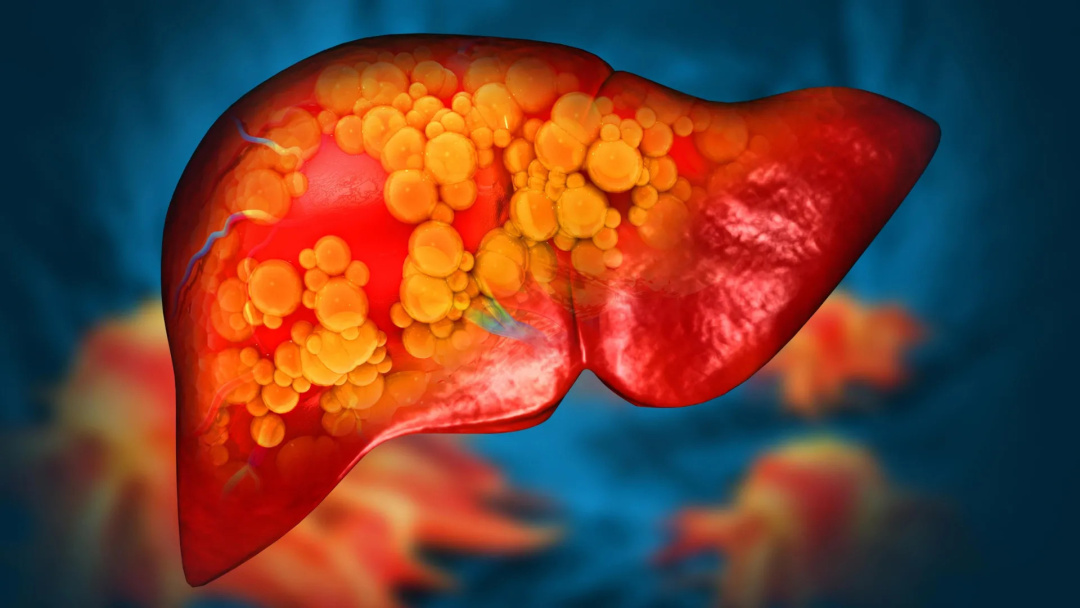
Late-Night Eating Linked to Increased Risk of Fatty Liver Disease and Cirrhosis

Researchers from Oregon Health & Science University, in collaboration with Massachusetts General Hospital, conducted a significant analysis that examined the eating habits of nearly 200,000 adults participating in three long-term American health studies. The findings indicate that individuals who frequently ate after dinner or close to bedtime faced a 20% to 30% higher risk of liver diseases, including fatty liver disease and cirrhosis, compared to those who adhered to earlier eating schedules.
Fatty liver disease is a condition that affects up to 30% of American adults, while cirrhosis represents a severe stage of liver disease characterized by extensive scarring. The study, which was funded by a liver research foundation and did not involve any food or drug companies, emphasizes the need for further research into the effects of late-night food intake on liver health across diverse populations. The researchers advocate for future studies to incorporate liver imaging and markers of liver disease severity to confirm their findings.
Participants in the health studies reported their eating habits, specifically whether they regularly consumed food after dinner or around bedtime. This data provided a robust foundation for the association identified by the research team. The study was published in the peer-reviewed journal Clinical Gastroenterology and Hepatology, following a thorough review by independent experts in the field.
Understanding the Silent Progression of Fatty Liver Disease
The researchers highlighted that fatty liver disease often progresses silently over the years without noticeable symptoms, leading to underdiagnosis. Cirrhosis, described as severe scarring of the liver, represents the advanced end of the spectrum of chronic liver conditions. The authors noted that the findings warrant additional investigation, particularly in diverse populations, to confirm the relationship between late-night eating and liver health.
Timing Matters: The Liver's Role in Health and Nutrition
According to the study, every organ in the body operates on a daily rhythm, and the liver is particularly sensitive to timing. During waking hours, the liver is responsible for processing nutrients, balancing blood sugar, and storing energy. As bedtime approaches, the body's focus shifts toward rest and repair rather than digestion. When food is consumed late, the liver must process calories at a time when the body is less equipped to handle them efficiently. This inefficiency can lead to weight gain, blood sugar issues, and compromised liver health.
The researchers suggest that adjusting eating schedules could be a simple yet effective step toward improving liver health, rather than requiring a complete dietary overhaul. This insight underscores the importance of mindful eating practices and the timing of meals in relation to overall health and well-being.