Study Links Late-Night Eating to Higher Risk of Liver Disease

Researchers at Oregon Health & Science University (OHSU) have conducted a significant study analyzing data from nearly 200,000 individuals, revealing a concerning link between late-night eating and an increased risk of liver disease. The study, published in the journal Clinical Gastroenterology and Hepatology, indicates that individuals who eat after dinner or close to bedtime may face up to a 30% higher risk of developing liver diseases, including fatty liver disease and cirrhosis.
The research involved participants from three major health studies: the Nurses’ Health Study, Nurses’ Health Study II, and the Health Professionals Follow-up Study. Over a median follow-up period of 16 years, researchers examined how meal timing affected the development of liver conditions. The analysis found that those who reported eating late at night had a significantly higher risk of metabolic dysfunction-associated steatotic liver disease (MASLD), with an adjusted risk increase of approximately 36%, and a 28% increase for cirrhosis compared to those who did not engage in late-night eating.
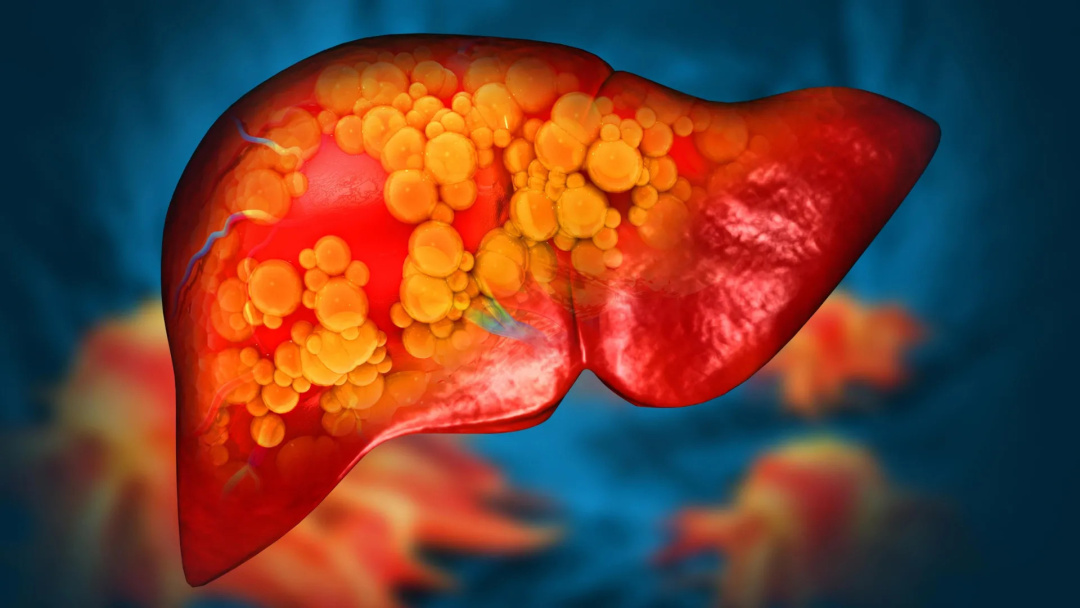
MASLD, previously known as non-alcoholic fatty liver disease, is characterized by the accumulation of excess fat in the liver, often linked to metabolic risk factors such as obesity and type 2 diabetes. While many individuals with MASLD may not exhibit noticeable symptoms, the condition can lead to inflammation and serious complications over time. Cirrhosis represents a more advanced stage of liver damage, where healthy liver tissue is replaced by scar tissue, impairing the liver's ability to function and potentially leading to liver failure.
The researchers aimed to determine whether meal timing could be a contributing factor to these liver conditions, building on prior studies that have associated late-night eating with obesity and cardiovascular issues. The large sample size and extensive follow-up duration allowed for a thorough examination of eating habits in relation to liver health.
One potential explanation for the observed association is the body's circadian rhythm, which regulates various biological functions, including metabolism. The liver plays a crucial role in processing nutrients and managing blood sugar, and its activity is influenced by daily rhythms. Eating late at night may disrupt these rhythms, affecting how the liver processes glucose and fats. Additionally, previous studies have indicated that night shift work, which disrupts natural sleep-wake cycles, is linked to metabolic problems, prompting further investigation into the timing of food intake.
Understanding the Limitations of Observational Research on Eating Habits
However, the study does not establish a direct causal relationship between late-night eating and liver damage. It highlights an association that warrants further exploration. The observational nature of the research means that while correlations were identified, causation cannot be definitively proven. Factors such as sleep patterns, overall calorie intake, and lifestyle choices may also play a role in the health outcomes observed.
The findings suggest that not all late-night foods carry the same risk, as the nutritional content and portion sizes of snacks consumed late at night remain important considerations. The research does not pinpoint a specific cut-off time after which eating becomes detrimental for everyone, indicating that individual responses may vary.
Future Research Directions in Meal Timing and Liver Health
In light of these findings, the researchers are pursuing additional studies to explore whether altering meal timing can yield health benefits. An ongoing clinical study at OHSU aims to directly assess the impact of earlier eating schedules on indicators of fatty liver disease.
For individuals concerned about liver health, these findings suggest a need to consider habitual eating patterns rather than overreacting to occasional late-night snacks. The central question remains whether consistently finishing meals earlier can significantly reduce the risk of liver disease, a topic that continues to be investigated in the field of chrononutrition, which examines how meal timing interacts with biological rhythms.