Late-Night Eating Linked to Higher Risk of Liver Disease
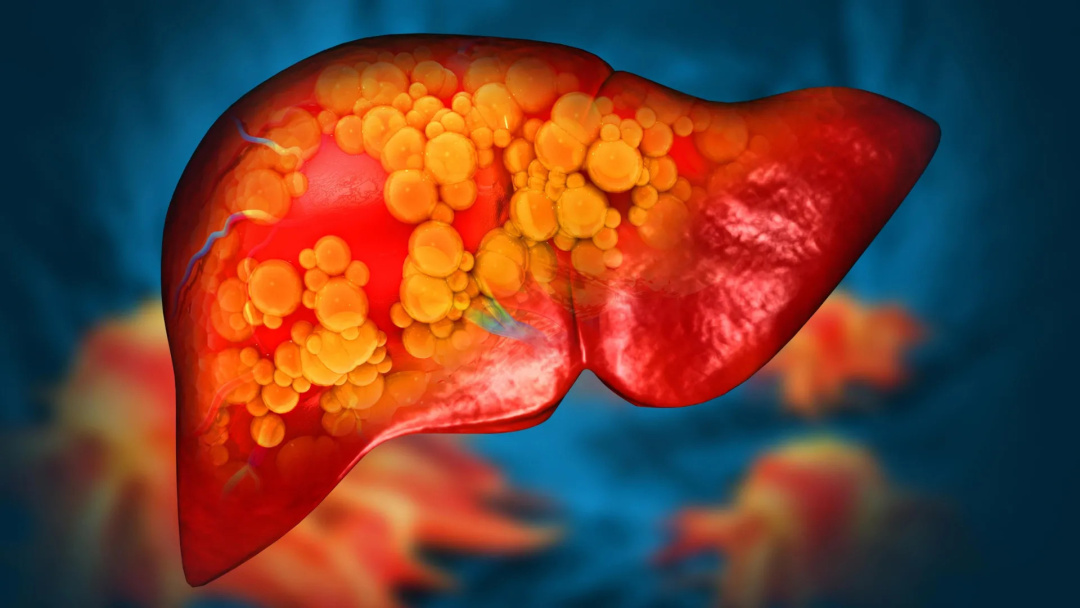
Researchers at Oregon Health & Science University (OHSU) have uncovered a concerning link between late-night eating and an increased risk of liver disease. Their study, published in Clinical Gastroenterology and Hepatology, reveals that individuals who frequently consume food after dinner or close to bedtime face a 20% to 30% higher risk of developing liver conditions, including metabolic dysfunction-associated steatotic liver disease, commonly known as fatty liver disease, and cirrhosis, which involves significant liver scarring.
The research analyzed data from nearly 200,000 participants across three major nationwide studies: the Nurses' Health Study, Nurses' Health Study II, and the Health Professionals Follow-up Study. Participants provided detailed information about their eating habits and daily routines. By categorizing individuals based on their eating times, the researchers were able to draw connections between late-night eating and liver health outcomes.
The results consistently indicated that those who reported late-night eating had a notably higher risk of liver disease compared to those who refrained from eating late. This raises important questions about how meal timing may influence long-term liver health. Fatty liver disease, which affects up to 30% of the U.S. population, occurs when excess fat accumulates in the liver, potentially leading to inflammation and serious conditions like cirrhosis. However, it is worth noting that most individuals with fatty liver disease do not progress to severe forms of the condition.
Lead author Robert Wilechansky, M.D., a hepatologist at OHSU, points out that while previous studies have linked late-night eating to obesity and cardiovascular issues, this research is among the first long-term analyses to directly connect late-night eating patterns to liver disease. Wilechansky emphasizes that confining calorie intake to several hours before bedtime may be beneficial for liver health.
The study's findings may be explained by the body's circadian rhythms, which govern various biological processes, including metabolism and sleep. The liver, in particular, is sensitive to these rhythms, playing a crucial role in processing nutrients and regulating blood sugar levels. Eating at times when the body is preparing for rest may disrupt these vital functions.
Examining the Impact of Meal Timing on Metabolic Health
The researchers also noted the implications of irregular eating patterns, especially among night shift workers, who often experience higher rates of obesity and heart disease due to their conflicting schedules with the body's natural sleep-wake cycle. This raises the possibility that adjusting meal timing could mitigate metabolic issues, including liver disease.
While the study highlights the potential risks of late-night eating, it is important to note that it does not establish a direct cause-and-effect relationship. The observational nature of the research means that other factors could also contribute to the observed associations. Future studies are needed to explore whether shifting meal times can lead to measurable improvements in liver health.
New Research on Meal Timing and Liver Health
Wilechansky is currently involved in a clinical study at OHSU that aims to directly monitor meal timing and assess its effects on individuals with fatty liver disease. This research could provide valuable insights into whether meal timing should be considered alongside traditional dietary approaches to managing liver and metabolic health.
In conclusion, the findings from this study add to the growing body of evidence linking late-night eating patterns to adverse health outcomes. While changing what we eat is important, adjusting when we eat could also play a significant role in improving liver health and overall well-being.