Pomegranates as Natural Protectors Against Liver Inflammation and Disease
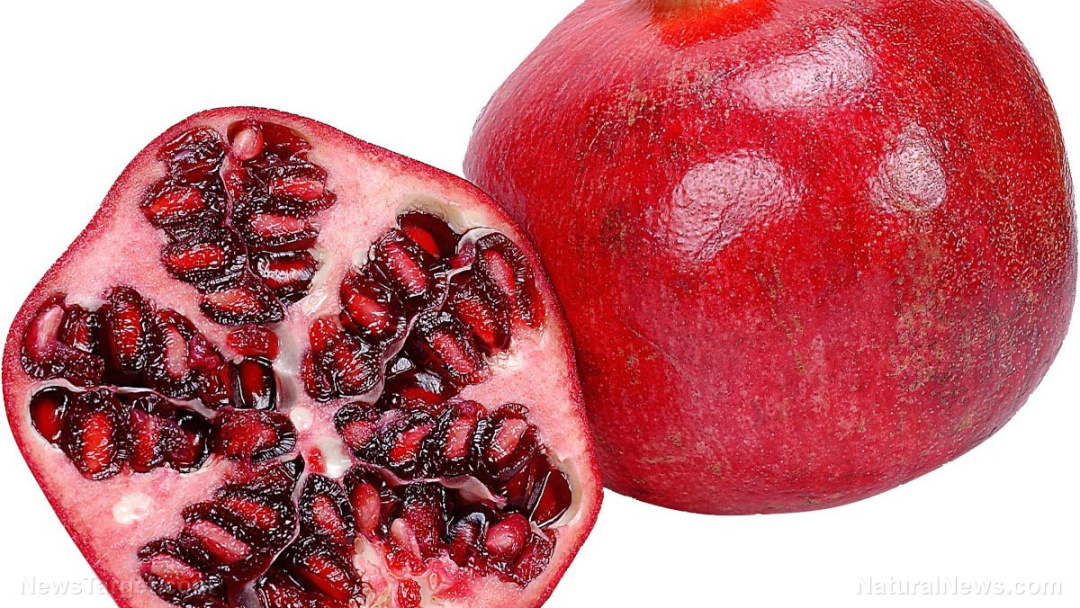
In an era where liver diseases such as fatty liver and cirrhosis are increasingly prevalent due to poor diets and sedentary lifestyles, pomegranates are emerging as a potential ally for liver health. This ancient fruit, long valued in traditional medicine, is now supported by modern scientific research that highlights its antioxidant and anti-inflammatory properties. Pomegranates contain polyphenols, particularly punicalagin, which may help reduce liver inflammation and protect liver cells from damage caused by various stressors.
The liver plays a crucial role in detoxifying the blood and metabolizing nutrients, making it susceptible to inflammation from unhealthy dietary choices, alcohol consumption, and metabolic disorders. Punicalagin acts as a molecular shield, neutralizing free radicals—unstable molecules that can trigger inflammation. By inhibiting the NF-?B protein complex, which signals inflammatory responses, and blocking COX-2 enzymes that produce inflammatory chemicals, punicalagin may help mitigate chronic inflammation that can damage liver tissue over time.
In addition to reducing inflammation, pomegranates may also protect liver cells from oxidative stress. Antioxidants found in pomegranates, such as vitamin C, anthocyanins, and ellagic acid, work together to neutralize free radicals and prevent cellular damage. Research indicates that this antioxidant synergy supports the liver's ability to repair itself and maintain function, providing a natural counterbalance to the toxins and processed foods prevalent in modern diets.
Metabolic dysfunction-associated steatotic liver disease (MASLD), previously known as nonalcoholic fatty liver disease, is a growing concern linked to obesity and insulin resistance. Clinical trials have shown that pomegranate juice can improve liver function in individuals with this condition, as daily consumption may lower liver enzyme levels—ALT, AST, and GGT—which are markers of liver stress. Researchers suggest that pomegranates may enhance gut health by strengthening the gut lining, thus preventing toxins from entering the bloodstream and affecting the liver. This protective barrier is essential, as gut leakage is a significant factor in the progression of MASLD.
Furthermore, pomegranates may improve insulin sensitivity, which is crucial for managing high blood sugar levels common in diabetes. A review involving 1,500 participants found that regular consumption of pomegranates increased insulin levels while reducing fasting glucose, indicating better metabolic control. This dual action alleviates the liver's burden, preventing fat accumulation and subsequent damage.
The liver's role in cholesterol management also highlights the importance of pomegranates in promoting overall health. These fruits may help lower low-density lipoprotein (LDL) cholesterol while increasing high-density lipoprotein (HDL) cholesterol, reducing the liver's workload and minimizing fat buildup, particularly for those at risk of MASLD.
While pomegranates are nutrient-rich, moderation is essential due to their natural sugar content—approximately 13 grams per 8-ounce serving—which may pose challenges for diabetics. Consuming whole pomegranate seeds, which contain fiber, can mitigate sugar absorption and offer a healthier option.
With the rise of liver diseases attributed to processed foods, sedentary lifestyles, and environmental toxins, the medicinal properties of pomegranates are being validated by modern science. As individuals seek natural ways to enhance their health, incorporating pomegranates into a balanced diet—alongside other whole foods—can be a proactive measure for liver resilience. This ancient fruit serves as a reminder that nature often holds the answers to contemporary health challenges.