Study Examines PPARγ's Role in Hepatic Methionine Cycle Regulation
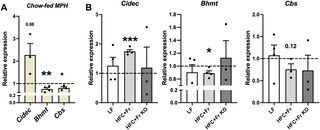
A recent study published in PLoS One explores the regulation of genes involved in the hepatic methionine cycle by peroxisome proliferator-activated receptor gamma (PPARγ) in the context of metabolic dysfunction-associated steatohepatitis (MASH). Researchers from the University of Illinois Chicago conducted experiments on mice to understand how fasting, refeeding, and diet-induced obesity influence the expression of these genes. The study found that fasting increased the expression of key genes in the methionine cycle, while refeeding reversed these effects. Notably, the knockout of Pparg in hepatocytes reduced the negative impacts of MASH on methionine metabolism, suggesting that PPARγ plays a complex role in regulating these processes. The findings indicate that PPARγ activation by fatty acids and pharmacological agents can lead to reduced expression of certain genes involved in the methionine cycle, which may contribute to the progression of liver diseases. The study emphasizes the importance of understanding the molecular mechanisms behind methionine metabolism and its implications for liver health, especially in the context of obesity and metabolic disorders. Overall, the research provides valuable insights into the interplay between diet, metabolism, and liver function, highlighting potential avenues for therapeutic intervention in metabolic diseases. Furthermore, the research underscores the critical role of methionine metabolism in maintaining liver health and the potential consequences of dysregulation in this process, particularly in the face of dietary changes and metabolic challenges. The study's findings could inform future research directions aimed at addressing liver-related metabolic disorders.