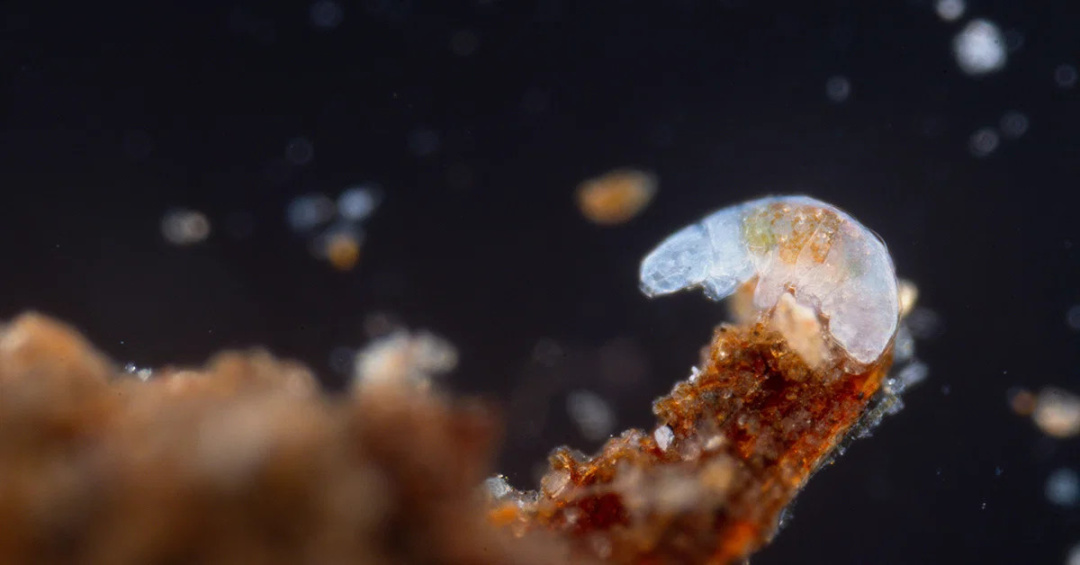
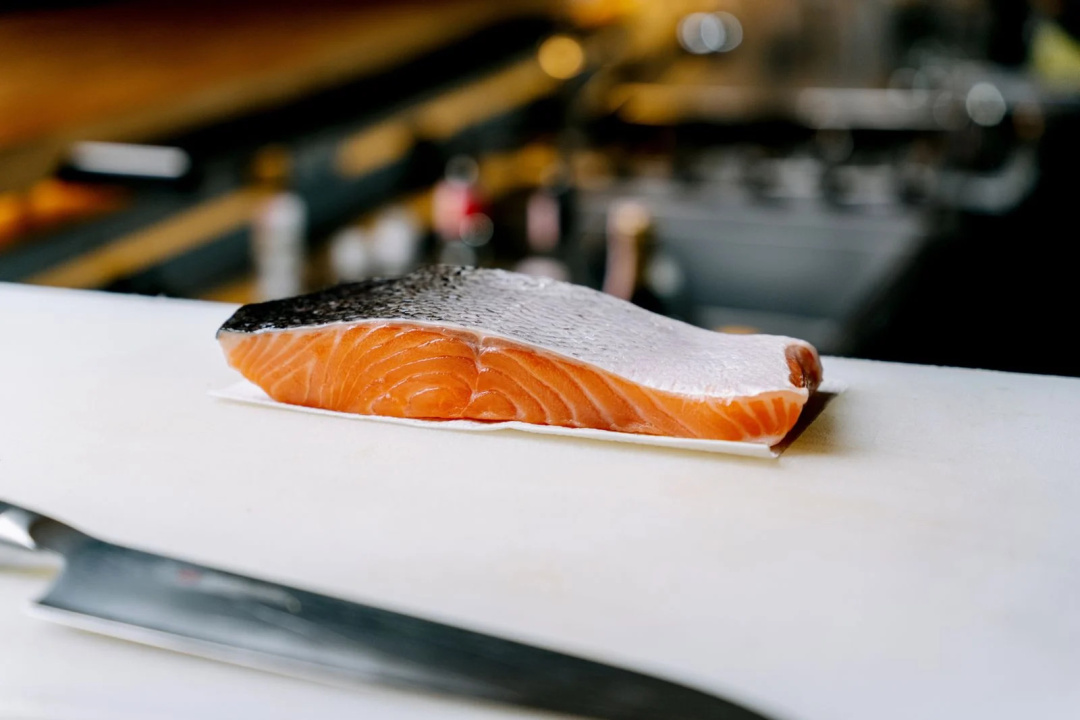
Researchers have discovered Henneguya salminicola, a parasite living in Pacific salmon, which is the first multicellular animal known to survive without oxygen. This finding challenges traditional views on the necessity of aerobic respiration for animal life and raises questions…
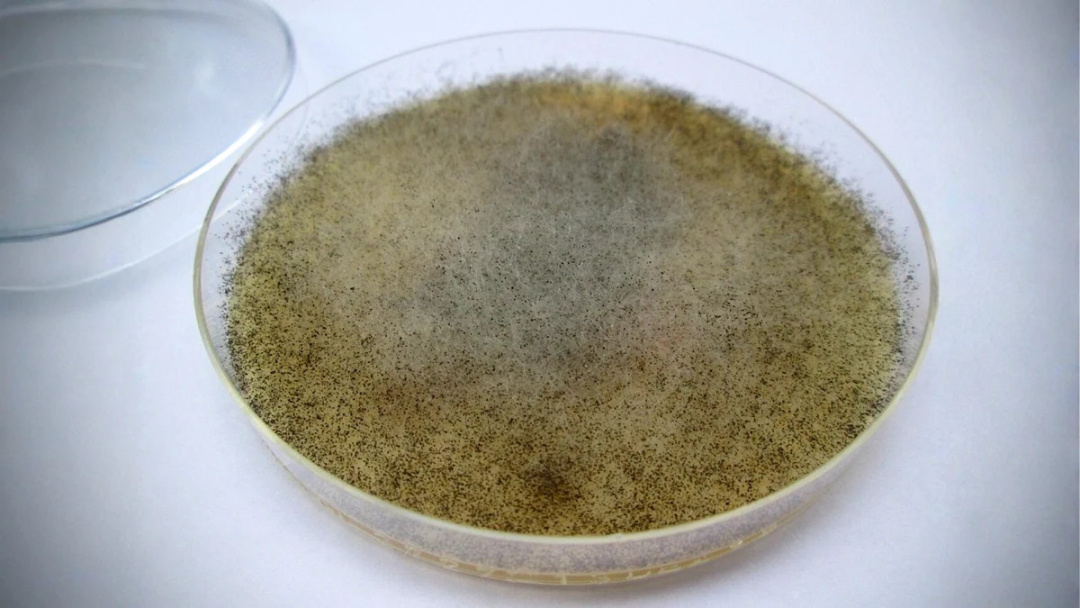
Research indicates that the fungus Mucor racemosus, found in the human gut, may protect against radiation damage. A study shows that mice treated with this fungus experienced less…
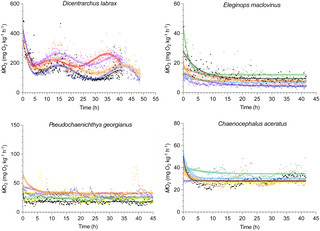
A recent study investigates the loss of core circadian clock genes in perciform fishes, revealing significant genetic changes associated with their adaptation to extreme environme…
Researchers at Southern Illinois University Carbondale have created a method to produce edible, protein-rich cookies called µBites from discarded plastic bottles and agricultural…
Scientists at Southern Illinois University Carbondale have created a method to produce protein-rich 3D-printed cookies using genetically engineered yeast that converts plastic and…
Tardigrades, also known as water bears, are remarkable for their ability to survive extreme conditions, including space exposure. Researchers are exploring how their unique surviv…
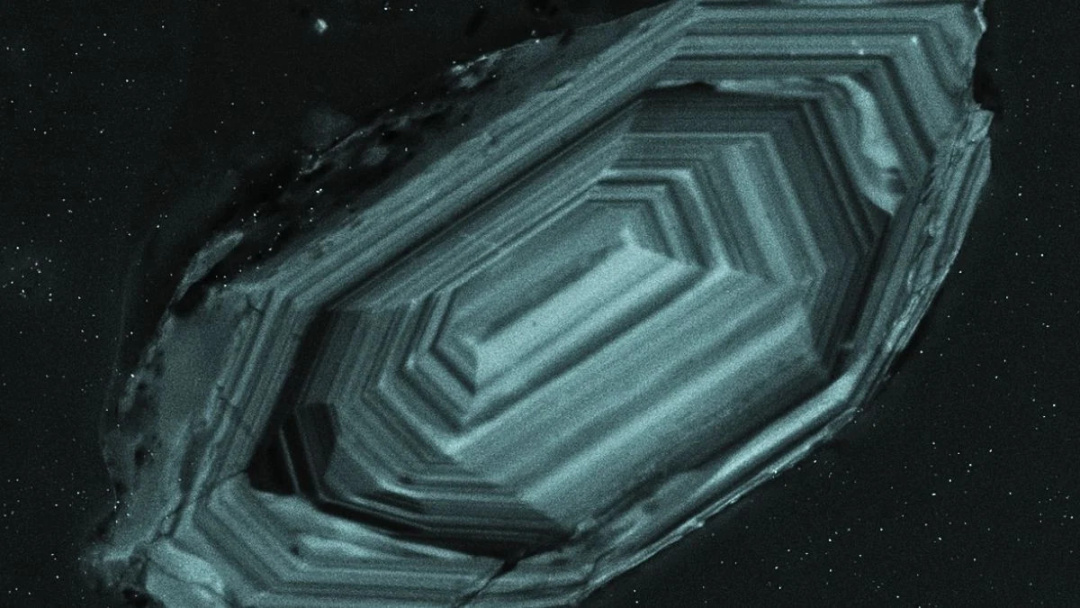
A team of scientists has successfully dated remnants of ancient microbial life to 3.5 billion years ago, providing direct evidence of early life on Earth. This finding, led by geo…
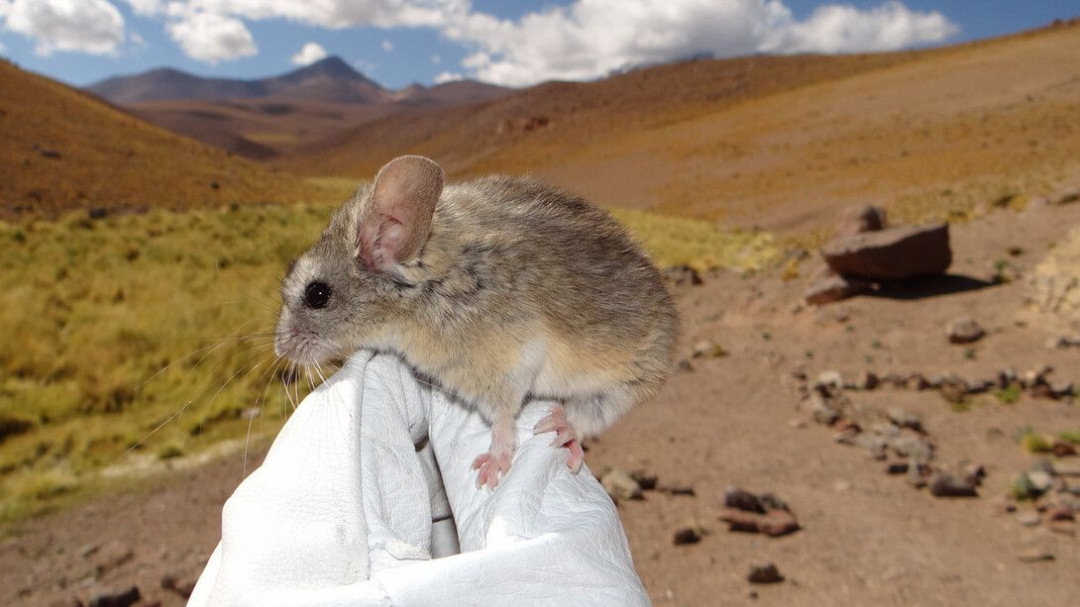
A recent study reveals how the Andean leaf-eared mouse survives at extreme altitudes, showcasing unique physiological adaptations that enable efficient body heat generation in col…
 Breathing.Food