Henneguya salminicola: The First Animal Confirmed to Live Without Oxygen
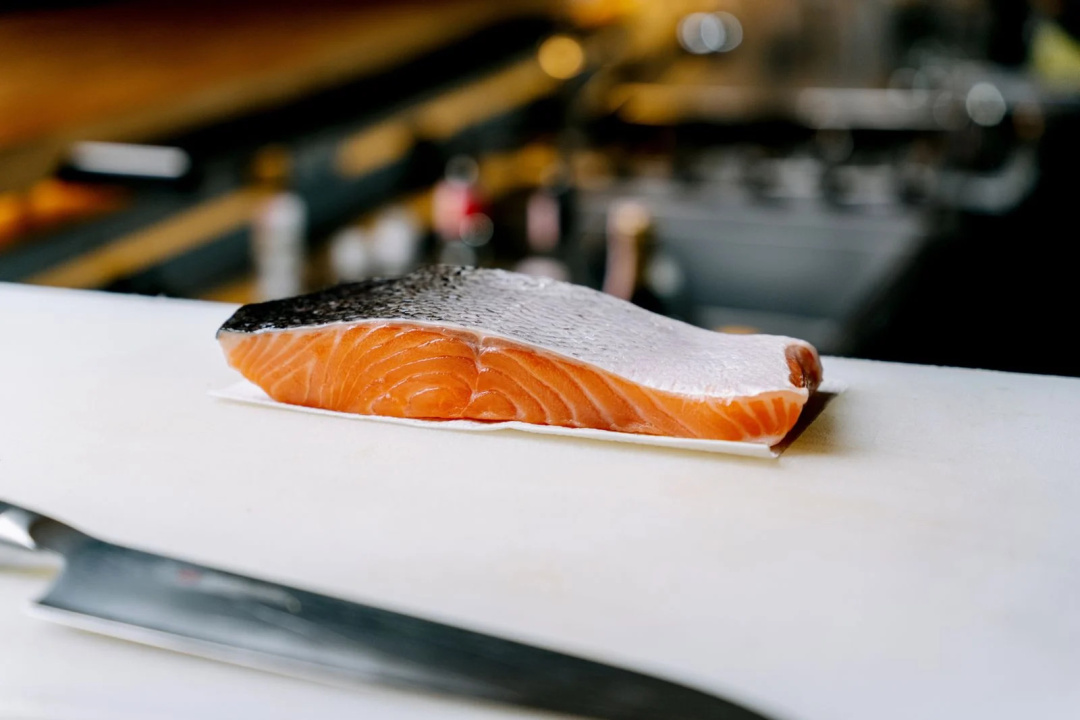
Inside the white muscle of Pacific salmon, the parasite Henneguya salminicola thrives without the ability to perform aerobic respiration. This organism, which consists of fewer than ten cells, forms visible white cysts in infected fish, leading to a condition known in fisheries as tapioca disease. A study published in 2020 in the Proceedings of the National Academy of Sciences, led by researchers including Dayana Yahalomi and Dorothée Huchon, revealed that Henneguya lacks a mitochondrial genome and the genetic machinery necessary for aerobic cellular respiration. This makes it the first known animal to live entirely without oxygen.
Henneguya salminicola belongs to a group of parasitic cnidarians known as myxozoans, which are evolutionarily related to jellyfish and corals. Despite its simple structure, the organism's polar capsules resemble eyes under a microscope, although they do not function as visual organs. The evolutionary history of this parasite is reflected in its polar capsules, which have been shown to be homologous to the stinging cells found in free-living cnidarians.
The life cycle of Henneguya is not fully understood, as its obligate invertebrate host has yet to be identified. Researchers speculate that it likely involves a type of annelid worm, based on related species. Within salmon, Henneguya proliferates and forms spores within pseudocysts in the muscle tissue. According to the Alaska Department of Fish and Game, this parasite does not cause fish mortality and poses no known health risks to humans, although the cysts may be visually unappealing.
Historically, the cysts of Henneguya salminicola have been documented to measure between three and six millimeters in diameter. Most animal cells rely on mitochondria for aerobic respiration, which also contain a small genome inherited from ancient bacteria. However, in the case of Henneguya, researchers found no mitochondrial DNA. Fluorescence microscopy confirmed this absence, as a related parasite, Myxobolus squamalis, showed mitochondrial DNA while Henneguya did not.
The nuclear genome analysis indicated that nearly all genes necessary for mitochondrial function were absent or reduced to pseudogenes. This suggests that Henneguya has not merely lost a piece of DNA but has undergone a significant evolutionary transition from aerobic to anaerobic metabolism.
Interestingly, Henneguya retains some mitochondrial-like organelles, known as mitochondria-related organelles (MROs), which still possess some structural features typical of mitochondria. However, these organelles do not function in the same way as traditional aerobic mitochondria. The researchers noted that the respiratory-chain complexes necessary for aerobic metabolism are missing or have been degraded, indicating a complete loss of the standard aerobic respiratory pathway.
The exact mechanism by which Henneguya generates energy remains unclear. It is hypothesized that the parasite may extract energy from the surrounding fish cells or utilize an alternative anaerobic respiration method. However, these remain unverified theories. The researchers also searched for genes associated with hydrogen-producing organelles but found no evidence for such pathways in Henneguya.
This discovery highlights the extreme adaptations of myxozoans, which have undergone significant reductions in body structure and genetic content due to their parasitic lifestyle. While the loss of the mitochondrial genome aligns with the broader evolutionary trends observed in myxozoans, the researchers caution against interpreting this gene loss as a deliberate evolutionary strategy. They suggest that the low-oxygen environments of both the fish and its potential invertebrate host may have rendered aerobic respiration unnecessary over time.
Despite its unique adaptations, Henneguya salminicola is still classified as an animal within the Cnidaria phylum, supported by phylogenomic data. The implications of this finding extend to astrobiology, as it challenges the notion that all animal life is dependent on aerobic processes. While Henneguya's existence does not provide a direct model for life in anoxic environments, it emphasizes the diverse metabolic pathways that may exist in different ecological contexts.
In summary, Henneguya salminicola represents a remarkable example of evolutionary adaptation, demonstrating that animal cells can survive without the traditional reliance on oxygen-based metabolism. This discovery opens new avenues for understanding metabolic diversity and the potential for life in extreme environments.














