Andean Leaf-Eared Mouse Thrives at 22,000 Feet: A Study on Metabolic Adaptations
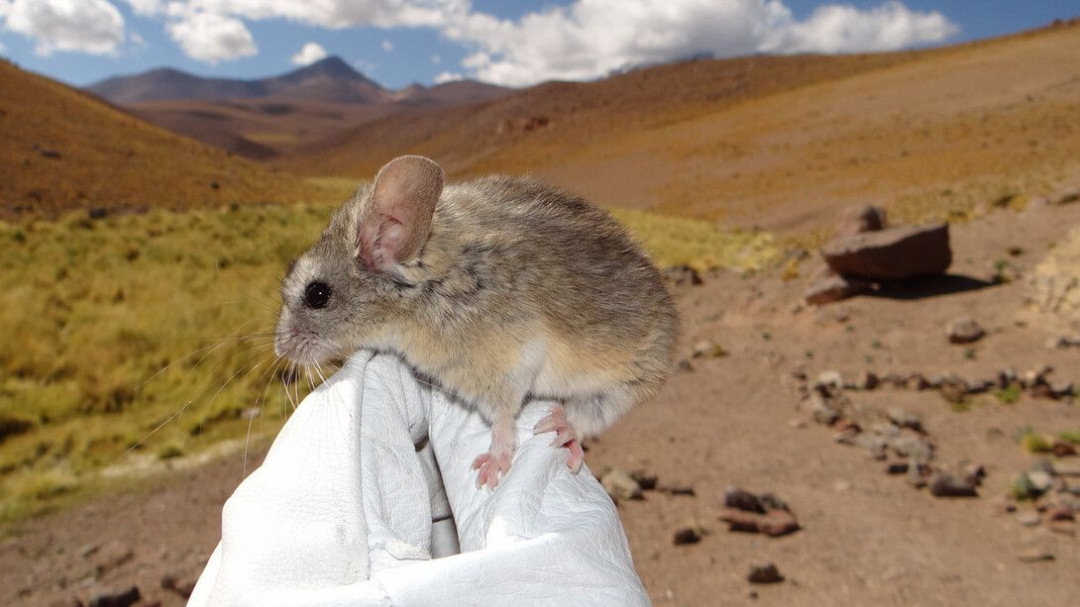
The Andean leaf-eared mouse, recognized as the highest-dwelling mammal on Earth, inhabits elevations of approximately 22,000 feet in the Andes Mountains. Researchers have uncovered that these small rodents possess distinct physiological adaptations, enabling them to thrive in extreme environments characterized by frigid temperatures and significantly reduced oxygen levels. This study, published on July 9 in the journal Science, highlights how these mice generate body heat efficiently despite the harsh conditions they face.
Previously, large-eared pikas were believed to hold the record for the highest-dwelling mammals, residing at altitudes of around 20,100 feet in the Himalayas. However, the discovery of the Andean leaf-eared mouse at the summit of Llullaillaco, a 22,110-foot volcano straddling the Argentina-Chile border, has redefined this record.
The Andean leaf-eared mouse is not confined to high altitudes; it also thrives at sea level and various elevations in between, making it the mammal with the broadest elevational range. Grant McClelland, a biologist at McMaster University and co-author of the study, expressed the surprising nature of evolution, noting that life finds a way to persist even in seemingly inhospitable environments.
In 2023, researchers reported finding mummified remains of these mice on three different Andean volcano summits, indicating that they have historically inhabited these high elevations. Naim Bautista, a comparative physiologist at the University of Oklahoma and another co-author, emphasized the challenges faced by smaller mammals in retaining body heat in such extreme conditions.
To further understand these adaptations, Bautista, McClelland, and their team captured 167 Andean leaf-eared mice from both highland and lowland regions of the Central Andes between 2020 and 2023. The mice were subjected to laboratory conditions mimicking cold and low-oxygen environments, allowing researchers to compare their physiological responses.
The findings revealed that highland mice exhibited a superior ability to absorb, transport, and utilize oxygen compared to their lowland counterparts. This adaptation is crucial for maintaining body temperature in thin mountain air. The enhanced aerobic capacity of these mice is likened to that of athletes training for endurance events, enabling them to sustain their internal heat generation.
The study also identified that highland mice possess a greater number of mitochondria, the energy-producing structures within cells, which play a significant role in their ability to convert oxygen and nutrients into energy. Interestingly, these high-altitude mice primarily rely on fats rather than carbohydrates for energy, a unique trait among mammals living in cold environments.
Genetic analysis further revealed specific adaptations related to metabolism and heat production that facilitate survival in high elevations. Additionally, these adaptations may help the mice neutralize harmful compounds from toxic plants that are often their only food sources in the Andes.
The implications of this research extend beyond understanding the Andean leaf-eared mouse. The insights gained may inform future treatments for human conditions, such as cardiovascular diseases, where oxygen delivery to tissues is compromised. This study not only deepens our understanding of this remarkable species but also highlights the broader relevance of studying extreme adaptations in animals.