Genetic Erosion of Circadian Systems in Perciform Fishes Linked to Metabolic Adaptations
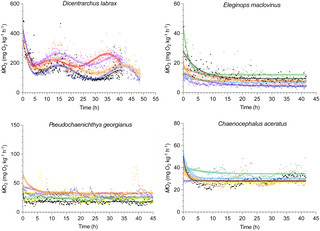
A recent study published in PLOS Genetics explores the genetic adaptations of perciform fishes, a diverse order that includes many species thriving in extreme environments like polar and deep-sea habitats. Researchers conducted a comparative genomic analysis of 96 perciform species to investigate the loss of core circadian clock genes, which are crucial for regulating biological rhythms in response to environmental cues. The study found that this genetic erosion is particularly pronounced in high-latitude species, suggesting a significant evolutionary shift in how these fishes manage their metabolic processes in the absence of regular light and dark cycles.
The research indicates that the loss of these clock genes is not merely a random occurrence but a convergent feature observed across specific suborders of perciform fishes, namely Notothenioidei and Cottoidei. These groups have adapted to environments where traditional cues for entraining circadian rhythms are diminished or completely absent. To assess the functional implications of these genetic changes, the researchers also performed metabolic phenotyping on three species of notothenioids, revealing a consistent lack of circadian metabolic oscillations during the late austral fall. This suggests that the ability to maintain regular metabolic rhythms has been compromised, potentially allowing these fishes to thrive in their challenging habitats.
The findings highlight the flexibility of biological systems in adapting to extreme environmental conditions. By shedding the constraints of circadian rhythms, perciform fishes may have gained an evolutionary advantage, enabling their rapid diversification in polar and deep-sea ecosystems. This research not only sheds light on the evolutionary biology of these fishes but also raises questions about the broader implications of circadian rhythm disruptions in other species, including potential links to metabolic health issues in environments where traditional cues are disrupted.
Overall, the study underscores the intricate relationship between genetics, metabolism, and environmental adaptation, providing valuable insights into how species can thrive in some of the most extreme habitats on Earth. As researchers continue to unravel the complexities of circadian biology, this work paves the way for further exploration into the metabolic health of organisms facing similar environmental challenges.