Innovative 3D-Printed Cookies Made from Plastic Waste Developed by SIU Scientists
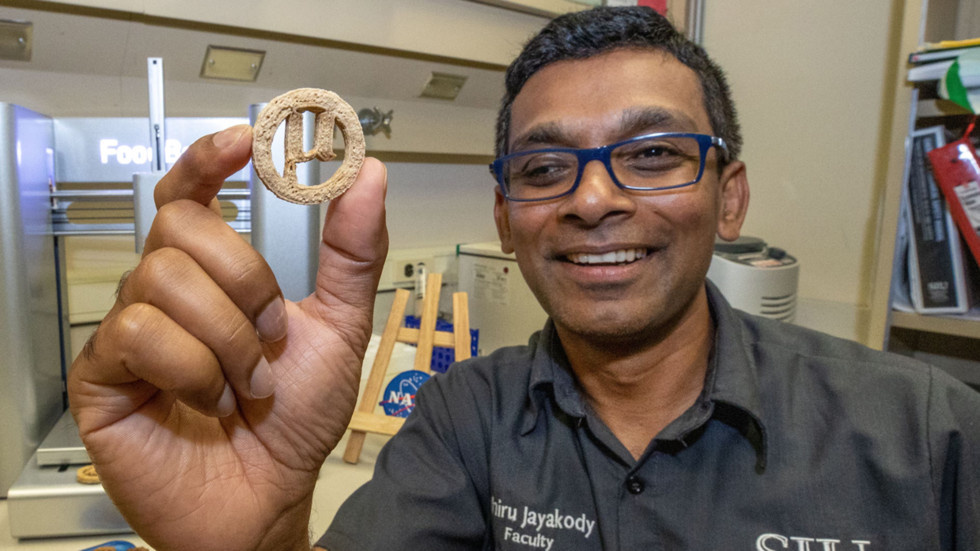
Researchers at Southern Illinois University Carbondale (SIU) have made significant strides in addressing two pressing global issues: plastic waste and food insecurity. They have developed a method to create 3D-printed cookies, referred to as "µBites" or "microbites," using genetically engineered yeast that transforms plastic and agricultural waste into protein and nutrients. The innovative process begins with breaking down plastic and plant waste using high temperature and pressure combined with water and oxygen. The resulting compounds are then consumed by the genetically modified yeast, which produces proteins, fats, and acids. By adding fiber, starch, and sweeteners, the mixture is prepared for 3D printing, allowing for the creation of cookies in various shapes.
The idea behind this project emerged from a desire to repurpose waste materials into food. Lahiru Jayakody, an associate professor of microbiology at SIU, explained in an interview that since both plastic and food are carbon-based, it made sense to explore the potential of converting plastic into consumable products. The team has been working on this technology since 2021, and their concept was selected for NASA’s Deep Space Food Challenge, highlighting its potential for use in extreme environments where traditional food production methods may not be feasible.
Jayakody noted that this technology could be particularly beneficial in hostile environments, such as the Arctic, deserts, or even on Mars or the Moon, where resources are scarce. The researchers are currently awaiting safety approvals from their university before conducting taste tests of the µBites.
In the context of increasing concern over microplastics entering the human food chain, this development raises important questions. Recent studies have detected microplastics in various human tissues, including the liver, kidneys, and brain, and have linked exposure to potential health risks such as inflammation and metabolic disruptions. However, researchers emphasize that more evidence is needed to fully understand the long-term effects of microplastic exposure on human health. As this technology progresses, it will be crucial to monitor both its safety and its implications for food production and environmental sustainability.