Tardigrades: Tiny Creatures with Potential Medical Applications
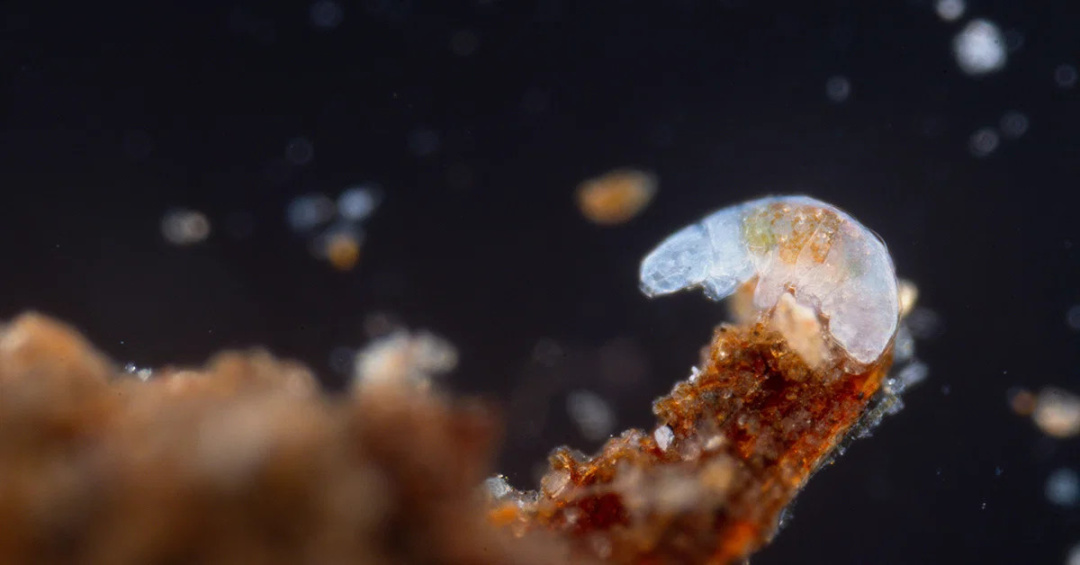
Tardigrades, often referred to as water bears or moss piglets, are tiny creatures renowned for their extraordinary ability to endure extreme environments. These microscopic organisms have been discovered in some of the most inhospitable places on Earth, including the Himalayas and the ocean's depths. Notably, they were the first known animals to survive direct exposure to the vacuum of space. Their resilience is attributed to several unique biological mechanisms that researchers are now investigating for potential applications in modern medicine.
One of the most fascinating aspects of tardigrades is their ability to enter a state known as cryptobiosis, during which their metabolism slows to an astonishing 0.01% of its normal rate. This process allows them to survive conditions that would be lethal to most other life forms. In this state, they curl into a ball, losing 97% of their body moisture and shrinking to one-third of their original size. Additionally, tardigrades can enter a cyst stage, where they develop multiple cuticle layers around their bodies, enhancing their protection against harsh conditions.
Research led by Dr. Georgia Purdom highlights the significance of these mechanisms. Tardigrades possess proteins that maintain cell structure even when severely dehydrated, allowing them to rehydrate and resume normal cellular function. This discovery has implications for the storage and transport of biologics, which are pharmaceuticals derived from living organisms that require strict temperature control to remain effective. By mimicking the proteins found in tardigrades, scientists hope to improve the stability of these medications, making them more accessible.
Moreover, tardigrades can withstand radiation levels that are 1,000 times greater than what humans can endure. This resilience is partly due to their ability to produce DNA-repair proteins at an accelerated rate. Current research is exploring how these proteins can be utilized to protect healthy cells during radiation therapy for cancer patients, potentially reducing the severe side effects associated with treatment.
Interestingly, studies indicate that tardigrades do not age during their dormant states, whether in cryobiosis or anhydrobiosis. When they return to a normal state, they resume their biological functions as if no time has passed. Recent findings suggest that a protein responsible for slowing tardigrades' metabolism may also have similar effects in human cells, opening avenues for research into aging and metabolic health.
While the exploration of tardigrades' capabilities is still in its early stages, the potential applications in medicine are promising. As scientists continue to study these resilient creatures, they may uncover new strategies to enhance human health and resilience in the face of environmental challenges. The ongoing research into tardigrades not only showcases the wonders of nature but also reflects the human capacity to learn from and adapt to the complexities of life on Earth.














