Scientists Develop 3D-Printed Cookies from Plastic Waste to Address Food Insecurity
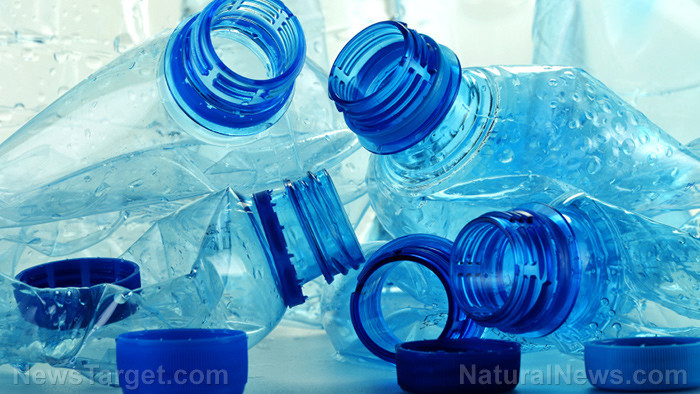
Scientists at Southern Illinois University Carbondale have pioneered a method to convert discarded plastic bottles and agricultural waste into edible, protein-rich cookies, referred to as µBites. This breakthrough, presented at the American Chemical Society's fall meeting in Chicago, aims to address food insecurity and plastic pollution, potentially benefiting astronauts, submariners, and disaster victims. The project began in 2021 as part of NASA's Deep Space Food Challenge.
The µBites are produced through a complex, multi-step process that involves breaking down polyethylene terephthalate (PET) plastic, commonly found in water bottles, alongside agricultural leftovers like corn stalks. This is accomplished using oxidative hydrothermal dissolution, which employs intense heat, oxygen, and water to create a carbon-rich liquid. Engineered yeast strains then metabolize this liquid into proteins, fats, and acids. Additional yeast strains contribute flavor and color, using vanillin for vanilla notes and beta-carotene for an orange hue. The final dough, which also contains starch, fiber, and natural sweeteners, is shaped using a 3D food printer and finished in a microwave.
Lahiru Jayakody, an associate professor of microbiology and leader of the research team, stated that they have thoroughly analyzed the µBites for safety, ensuring they are free from toxic chemicals, heavy metals, allergens, and food pathogens. However, human taste tests are pending further analyses, including simulated digestive studies. Early sensory evaluations suggest that while the cookies smell pleasant and have a good texture, the concept of consuming a cookie made from plastic remains controversial.
The research emerges amid growing concerns about microplastics entering the human body, with studies identifying these particles in various organs and linking them to health issues. Jayakody argues that microbial food production could be a solution to global hunger, projecting a significant rise in food demand by 2050. Currently, the process converts about half of the waste carbon into food, with aspirations to improve this efficiency in future iterations.
The team envisions potential applications for these cookies in extreme environments, such as submarines or disaster zones, and even on the lunar surface, though they acknowledge challenges posed by microgravity. While the innovation is notable, it raises fundamental questions about the future of food production and whether society is prepared to accept such alternatives to traditional food sources. Jayasekara, a graduate research assistant on the team, emphasized the goal of making these cookies appealing to everyday consumers, but the acceptance of food derived from processed waste remains uncertain.