Mucor racemosus: A Fungus That May Offer Radiation Protection
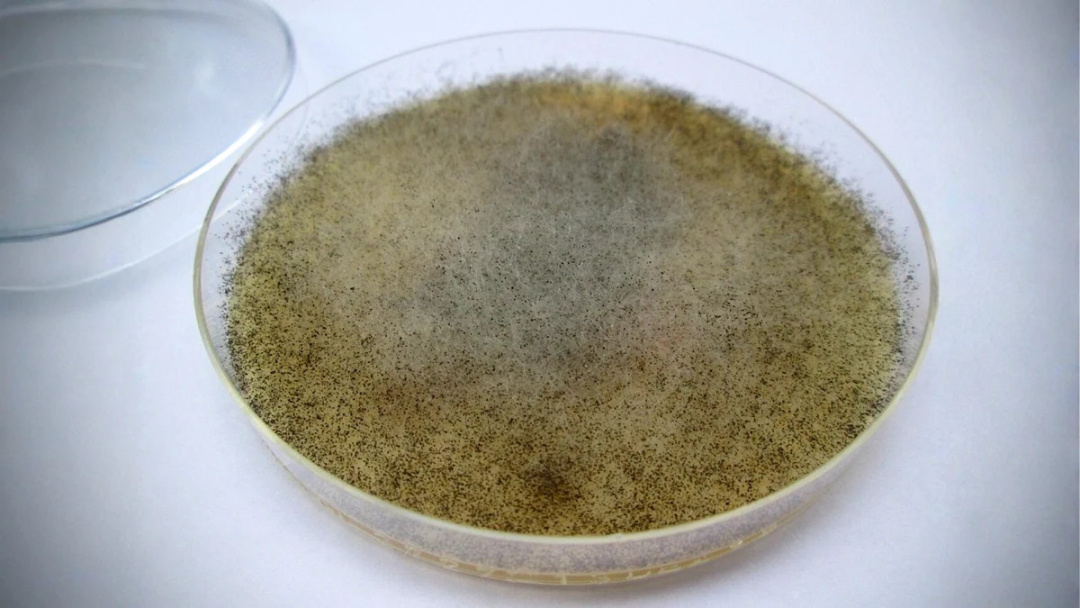
Mucor racemosus, a fungus that naturally resides in the human gut, has shown potential in protecting against radiation damage according to a recent study published in PNAS. While mold is generally unwelcome in the body, this particular fungus may warrant a reconsideration due to its unique properties. Previous research has identified various fungi that exhibit resistance to radiation, including those that thrive in extreme environments like Chernobyl. However, M. racemosus offers a different mechanism of protection. In experiments conducted by a team of scientists from China, mice exposed to radiation and treated with M. racemosus displayed significantly less weight loss, inflammation, and oxidative stress compared to control mice that did not receive the fungus. This suggests that M. racemosus could confer a radioprotective effect. The efficacy of this protection was enhanced when the fungus was preadapted to the oxygen-poor conditions of the gut. Germ-free mice, which are raised without microorganisms, also showed reduced radiation damage markers when administered M. racemosus, indicating that its protective properties are effective even in the absence of other gut microbiota. The researchers noted that M. racemosus directly alleviates radiation-induced intestinal injury. Further investigation revealed that the fungus produces three amino acids—L-glutamic acid, L-aspartic acid, and DL-lysine—that may facilitate DNA repair and recovery of intestinal tissues post-radiation exposure. Additionally, a compound called methylthioadenosine (MTA) produced by the fungus plays a significant role in its radioprotective effects. MTA appears to modulate the growth of a bacterium known as Limosilactobacillus reuteri, enhancing its production of methionine, which is associated with increased radiation protection. In a final experiment, irradiated mice fed cheese fermented with M. racemosus exhibited reduced intestinal inflammation and improved intestinal barrier integrity compared to those fed cheese without the fungus. While these findings are promising, the researchers caution that more studies are needed before recommending M. racemosus as a dietary staple. The fungus is already present in some fermented foods and is FDA-approved for dietary use, but its safety for immunocompromised individuals remains a concern. The researchers emphasize the potential of filamentous fungi like M. racemosus in influencing the microbiota-host relationship and their applications in mitigating radiation-induced damage and other health issues.