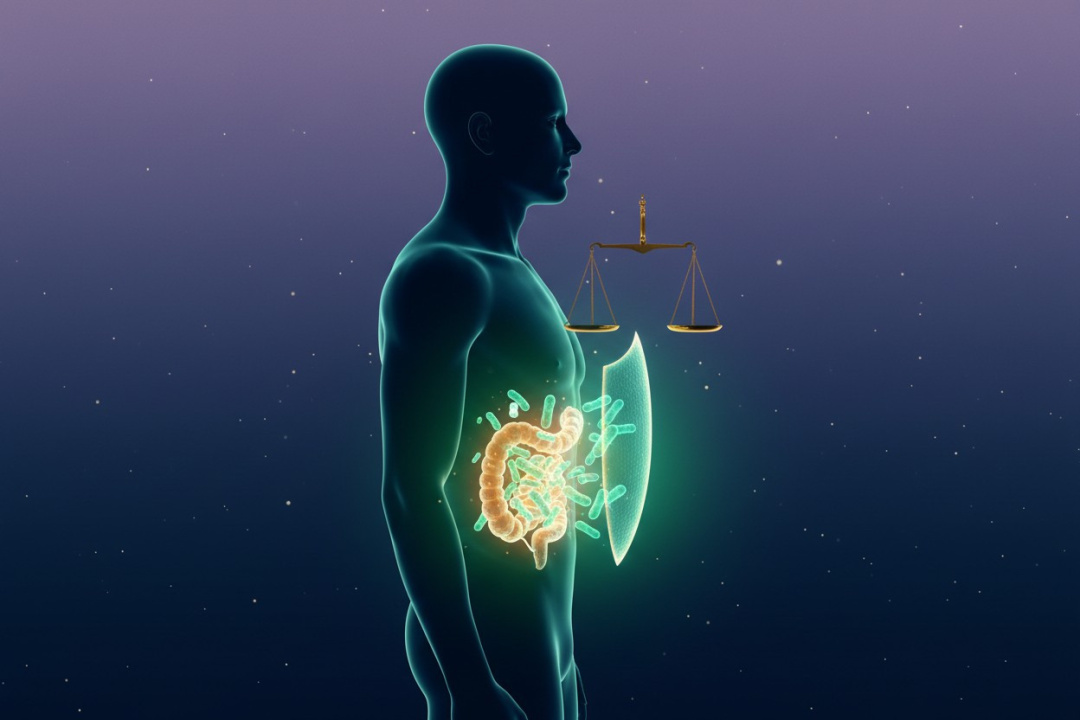
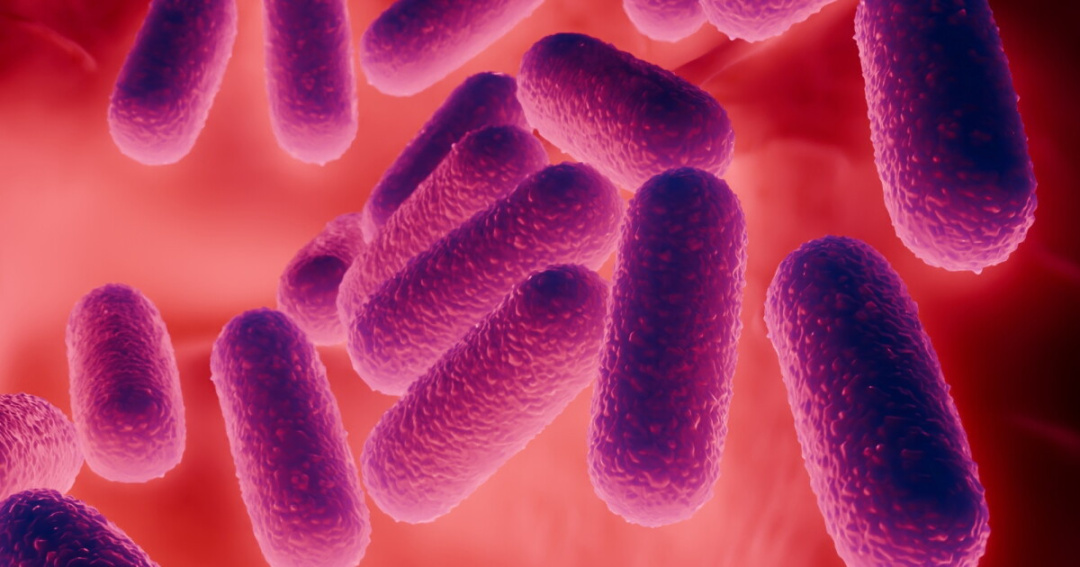
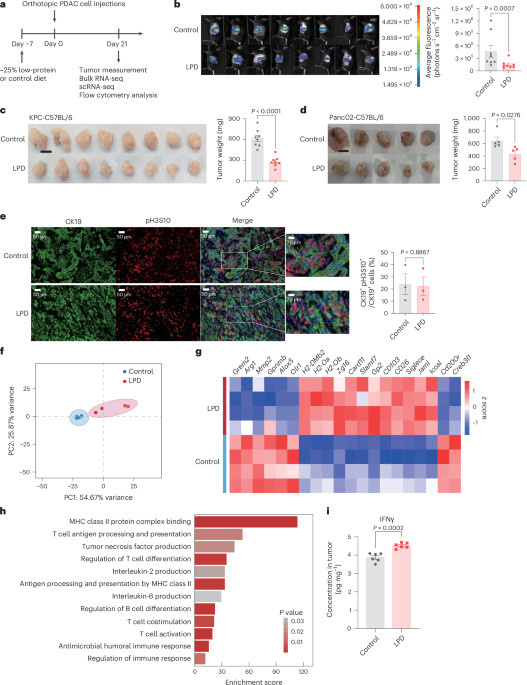
A recent study reveals that a low-protein diet can suppress pancreatic cancer progression by altering gut microbiota and enhancing antitumor immunity. The research indicates that this dietary change promotes immune activation and modifies tumor-associated macrophages, potentiall…
A recent study published in Nature suggests that age-related cognitive decline may be influenced more by gut health than previously thought. Researchers at the Arc Institute found…
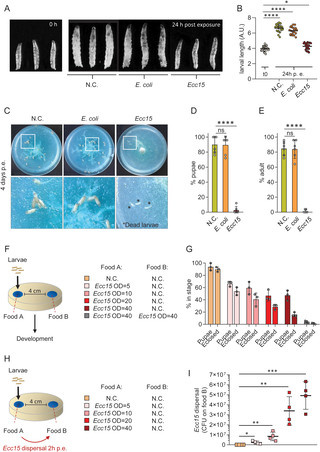
A recent study reveals that Drosophila melanogaster larvae can quickly abandon food contaminated with the pathogenic bacterium Erwinia carotovora carotovora 15. This escape behavi…
Lexunder Inc., operating as Food To Live, has issued a recall for its green powder products due to potential Salmonella contamination. This recall affects various product sizes so…
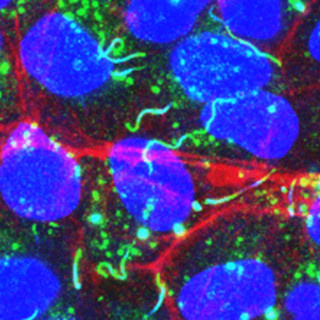
A recent study investigates how Leptospira interrogans, the bacterium responsible for leptospirosis, affects renal epithelial cells. The research highlights that infection disrupt…
A recent study published in the journal Gut reveals how Western-style diets may contribute to colorectal cancer through specific gut bacteria that produce deoxycholic acid (DCA).…
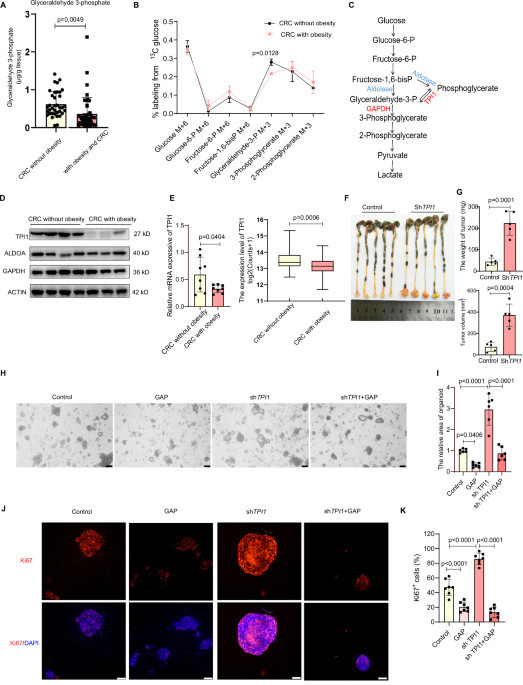
A recent study reveals that obesity-related loss of gut microbial GABA contributes to metabolic changes that accelerate colorectal cancer (CRC) progression. The research highlight…
A recent study published in Nature Medicine suggests that the pasteurized gut bacterium Akkermansia muciniphila may help reduce weight regain after a low-energy diet. The 24-week…
In a recent interview, gastroenterologist Rosemarie Fisher highlights the importance of nutrition in managing various digestive health issues, including GERD, eosinophilic esophag…
A recent study suggests that changes in the gut microbiome could help identify individuals at increased risk of developing type 2 diabetes years before diagnosis. Researchers foun…
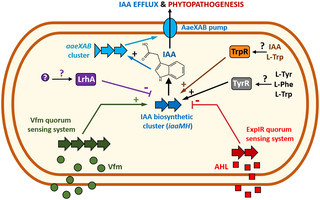
Research reveals that indole-3-acetic acid (IAA), a plant hormone, is crucial for the virulence and adaptation of the bacterial pathogen Dickeya dadantii. This study highlights ho…
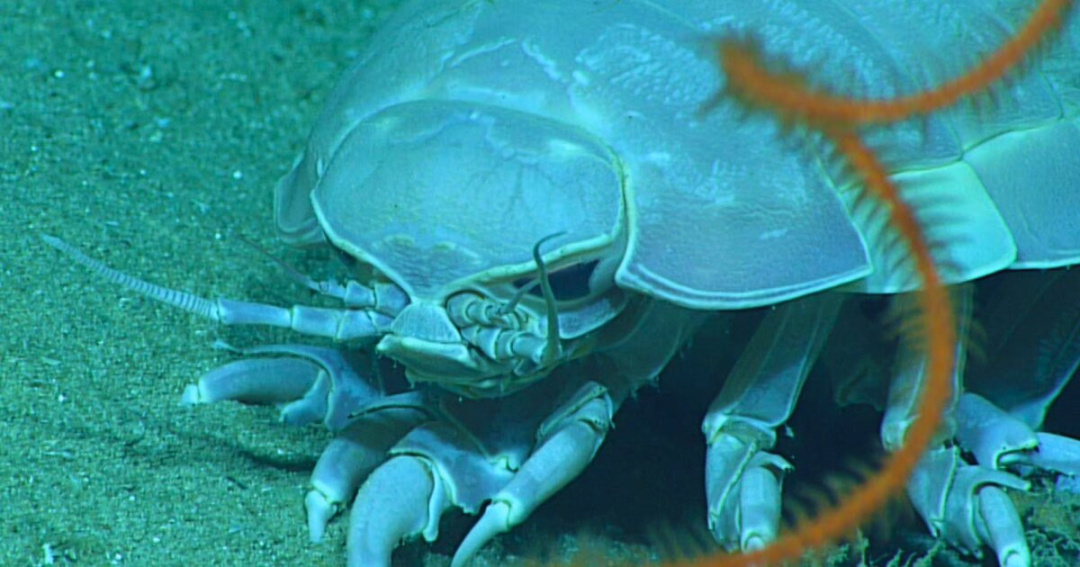
Research reveals that the deep-sea isopod Bathynomus has adapted to survive for over five years without food by incorporating a gene from bacteria, which significantly slows its m…
Rapamycin, an anti-aging compound discovered in 1964 from soil on Easter Island, has been shown to extend the lifespan of laboratory mice by up to 38%. Initially developed as an a…
 Breathing.Food