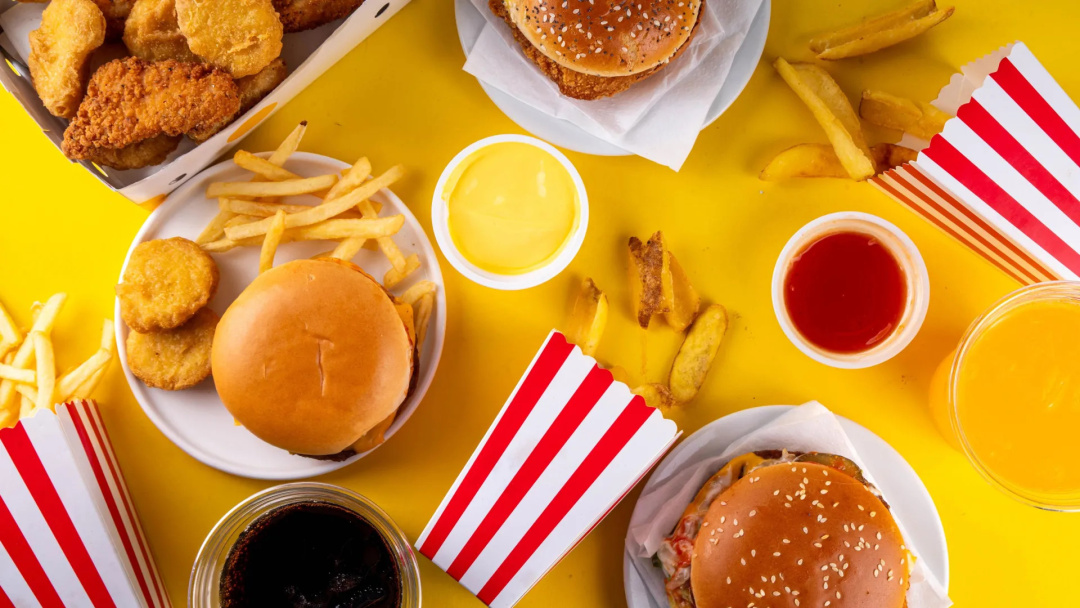
Study Links Western Diet and Gut Bacteria to Increased Colon Cancer Risk

Colorectal cancer ranks among the most prevalent cancers globally, and dietary choices significantly impact the likelihood of developing this disease. A new study published in the journal Gut sheds light on the mechanisms by which Western-style diets, characterized by high fat and low fiber, may elevate the risk of colorectal cancer. This research suggests that certain gut bacteria, nourished by such diets, produce deoxycholic acid (DCA), a substance linked to tumor growth.
An international team of researchers, primarily from German institutions, conducted a comprehensive investigation that included experiments on genetically modified pigs, mice, and lab-grown human colon tissues, alongside an analysis of microbial data from thousands of individuals diagnosed with or without colorectal cancer. The study identified DCA as a key player in the relationship between diet and cancer risk.
Bile acids, crucial for digestion, are synthesized from cholesterol in the liver and secreted into the small intestine to aid in fat absorption. While most bile acids are reabsorbed and returned to the liver, a fraction reaches the colon, where certain bacteria can convert primary bile acids into secondary ones, including DCA. Previous studies have noted higher levels of DCA and the bacteria responsible for its production in individuals with colorectal cancer.
In a related study published in Immunity, researchers found that DCA could weaken immune cell activity against tumors and promote colorectal tumor growth in mice. However, it remained unclear whether the production of DCA by gut bacteria directly linked Western dietary habits to colorectal cancer.
To explore this connection, the researchers first examined genetically modified pigs predisposed to developing colon polyps. Feeding these pigs a Western-style diet exacerbated tumor development, correlating with elevated DCA levels in their feces and increased proliferation of epithelial cells lining the colon. When some pigs were treated with cholestyramine, a drug that binds bile acids, there was a notable reduction in excessive cell proliferation, reinforcing the proposed link between bile acids and tumorigenesis.
The team also utilized germ-free mice to control their intestinal microbial communities precisely. Introducing DCA-producing bacteria, such as Clostridium scindens and Extibacter muris, resulted in DCA production and an increase in colon tumors across two different mouse models of colorectal cancer. Conversely, genetically modifying the bacterium Faecalicatena contorta to inhibit DCA production led to fewer tumors in mice compared to those with the unmodified strain.
To ascertain whether similar bacterial mechanisms were present in humans, the researchers analyzed microbial DNA from stool samples of 1,034 individuals with colorectal cancer and 1,108 without. They found that genes associated with DCA production, particularly from C. scindens and related bacteria, were more prevalent in those with colorectal cancer.
These findings suggest a potential sequence of events: a high-fat Western diet alters bile acid metabolism, fostering specific gut bacteria that convert primary bile acids into DCA, which in turn promotes abnormal cell proliferation and may create conditions conducive to tumor growth.
Sören Ocvirk, a microbiologist at the German Institute of Human Nutrition Potsdam-Rehbruecke, emphasized the implications of the study, stating, "Our results show how much a Western high-fat diet and the associated changes in the gut microbiome can affect human gut health." However, the experiments demonstrating causality were conducted on animal models predisposed to the disease, and the human component was observational, indicating an association rather than a definitive cause-and-effect relationship.
The study does not establish that cholestyramine can prevent or treat colorectal cancer in humans, highlighting the necessity for clinical trials before considering bile acid-binding drugs or microbiome tests for cancer prevention. While the research reinforces existing dietary recommendations, it does not propose new treatment protocols. Diets rich in fiber, fruits, vegetables, and whole grains, while lower in processed and red meats, continue to be associated with a reduced risk of colorectal cancer.