Microbial GABA Depletion Linked to Obesity Accelerates Colorectal Cancer Progression
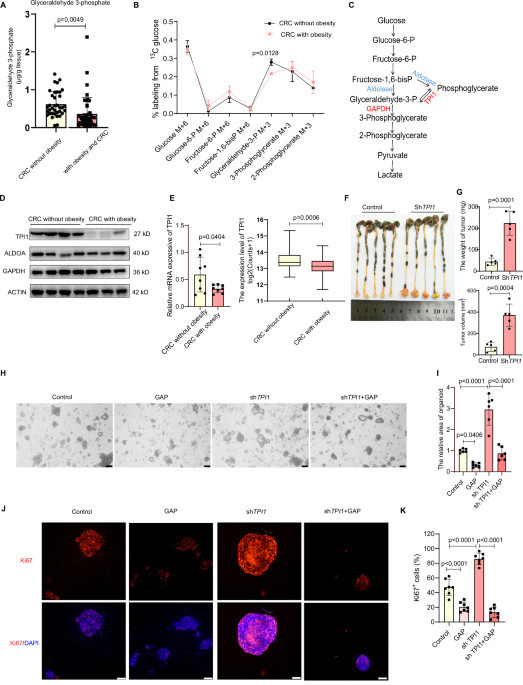
Obesity is recognized as a significant risk factor for colorectal cancer (CRC), with individuals suffering from obesity facing a 30-50% increased risk of developing this disease. Despite this established connection, the mechanisms that link obesity-related gut dysbiosis to tumor progression have remained largely unclear. A recent study has uncovered that a high-fat diet, along with fecal microbiota from patients with obesity-associated CRC, leads to the depletion of the GABA-producing bacterium Bacteroides ovatus. This depletion results in reduced levels of luminal GABA and accelerates tumorigenesis. The study demonstrates that microbial GABA activates epithelial GABAB receptor signaling, which plays a role in regulating the TPI1 gene through the PI3K-HIF1α pathway. The findings indicate that decreased levels of TPI1-derived glyceraldehyde-3-phosphate inhibit the PPP1CA enzyme, leading to maintained phosphorylation of YAP and restricted nuclear activity of YAP, ultimately suppressing the flux of the pentose phosphate pathway and limiting tumor growth. The research consistently shows that CRC associated with obesity exhibits lower fecal GABA levels, reduced TPI1 expression, and significant metabolic rewiring. Interestingly, a mutant strain of B. ovatus that does not produce GABA fails to restore GABA levels or suppress tumors, even though it can colonize normally. Conversely, oral supplementation of GABA or recolonization with wild-type B. ovatus significantly reduces tumor burden. These findings highlight a microbiota-neurotransmitter-metabolism axis that links obesity to CRC and propose that restoring GABA levels through microbiota-based strategies may serve as a preventative measure against CRC. The study utilized patient-derived organoids and murine models of diet-induced obesity to substantiate these claims, revealing that both B. ovatus and its secreted metabolite GABA provide protective effects in patients with obesity-associated CRC by enhancing GAP levels and deactivating the PPP to reprogram cancer metabolism. The research underscores the importance of metabolic reprogramming in tumorigenesis and progression, which is orchestrated through energy metabolism, biosynthetic precursor supply, and redox homeostasis. Targeted energy metabolomics revealed a significant decrease in GAP levels in CRC tissues from patients with obesity compared to those with normal weight. This study not only elucidates the role of microbial metabolites in the progression of CRC but also emphasizes the potential for therapeutic and preventive strategies targeting GABA and B. ovatus in managing obesity-associated CRC.