Study Links Gut Bacterium Akkermansia to Reduced Weight Regain After Diet
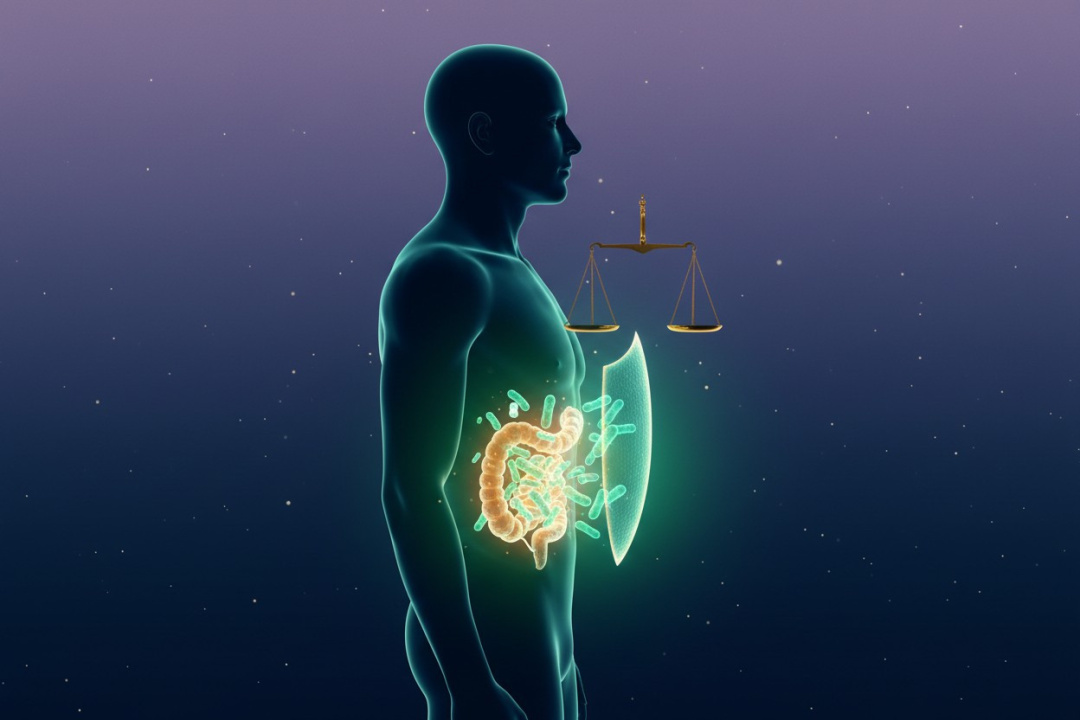
A recent study published in Nature Medicine explored the effects of the gut bacterium Akkermansia muciniphila on weight regain following a low-energy diet. The trial involved 90 overweight and obese adults from the Netherlands, who first underwent an eight-week low-energy diet aimed at achieving an 8 percent weight loss. Following this, participants were randomized into two groups: 45 received pasteurized Akkermansia, while the other 45 received a placebo during a 24-week weight-maintenance phase.
The results indicated that participants taking Akkermansia experienced significantly less weight regain, averaging 2.6 pounds compared to 7.1 pounds for those on the placebo. The study authors noted that no serious adverse events were reported, but the efficacy of Akkermansia appeared to depend on the participants' existing gut microbiome composition, suggesting that individuals with different baseline bacterial profiles may respond variably to the treatment.
Dr. Peter Balazs, a hormone and weight loss specialist who was not involved in the study, described it as "well-designed" and emphasized the significance of the finding that a single gut microbe could lead to notable differences in weight maintenance. He highlighted that pasteurized Akkermansia is not a live probiotic but operates through components of the bacteria, particularly a protein called Amuc_1100, which is thought to strengthen the gut barrier and reduce low-grade inflammation. This protein may also support healthy metabolic function, potentially helping to mitigate the body's natural tendency to regain fat after weight loss.
However, Balazs cautioned that Akkermansia is not a miracle solution for weight loss and should not replace diet and exercise. He noted that the study's short duration and small sample size limit the ability to draw definitive conclusions about long-term benefits. Additionally, the lack of a standardized diet during the maintenance phase could have influenced the outcomes.
The findings contribute to a growing body of research on the gut microbiome's role in metabolic health. Akkermansia has been previously linked to reduced inflammation and improved insulin control, making it a subject of interest in obesity research. Experts agree that while the results are promising, further studies with larger populations and longer follow-up periods are necessary to confirm the findings and explore the mechanisms by which Akkermansia affects metabolism.
In conclusion, while the study suggests that pasteurized Akkermansia may help reduce weight regain after diet-induced weight loss, it is essential to approach these findings with caution. The bacterium should not be viewed as a standalone solution, and individuals should continue to prioritize healthy lifestyle choices, including diet and exercise, for effective weight management.