Low-Protein Diet Shown to Enhance Antitumor Immunity in Pancreatic Cancer
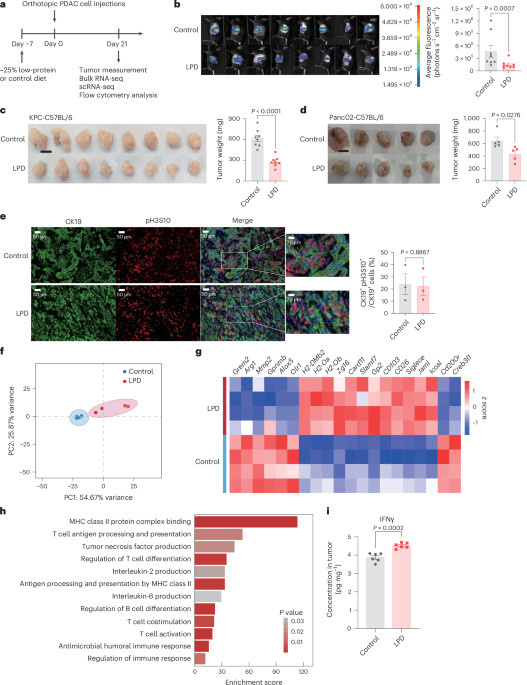
Research has shown that dietary interventions can significantly influence the progression of cancer, particularly pancreatic ductal adenocarcinoma (PDAC). A recent study conducted by Chen et al. investigates the effects of a low-protein diet (LPD) on PDAC immunotherapy, revealing that such a diet can suppress cancer progression in male mice. The study found that LPD alters the gut microbiota composition, leading to enhanced antitumor immunity. Specifically, the low-protein diet was observed to promote immune activation and induce an immunostimulatory phenotype in tumor-associated macrophages. Interestingly, when the gut microbiota was depleted, these beneficial effects were negated, indicating the crucial role of gut bacteria in mediating the diet's impact on cancer immunity. Fecal microbiota transplantation from donors on an LPD successfully transferred the protective immune phenotype to recipients, further supporting the connection between diet, gut microbiota, and immune response. A key finding of the study was the enrichment of the bacterium Blautia coccoides, which produces uridine diphosphate (UDP)-galactose. This metabolite activates the macrophage P2Y14R-STAT1 signaling pathway, leading to an enhanced immunostimulatory phenotype. Moreover, combining the low-protein diet with B. coccoides or UDP-galactose alongside anti-PD1 therapy resulted in improved survival rates compared to anti-PD1 treatment alone. In patients with advanced PDAC, lower levels of fecal B. coccoides and serum UDP-galactose were associated with poorer outcomes, underscoring the potential of dietary strategies in enhancing immunotherapy effectiveness. These findings highlight the importance of dietary composition in shaping gut microbiota and its metabolites, which can enhance antitumor immunity through specific biological pathways, offering a promising avenue for improving PDAC treatment outcomes.