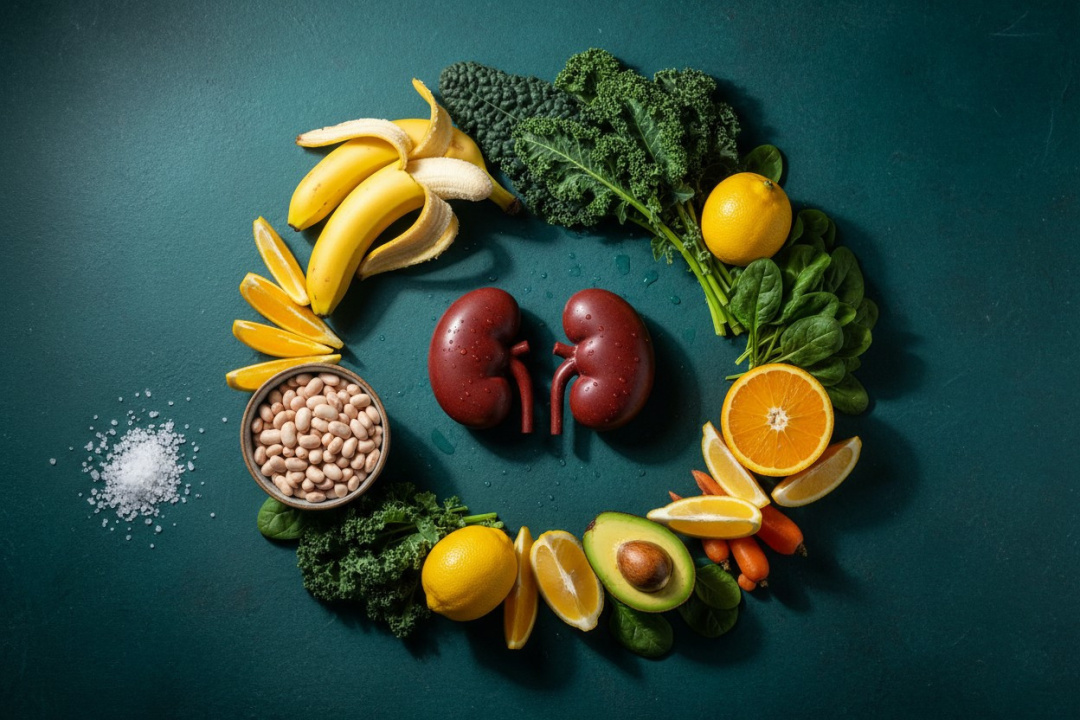
New research indicates that a diet supportive of gut health may lower the risk of kidney stones. By analyzing dietary patterns through the Dietary Index for Gut Microbiota (DI-GM), the study found that individuals with higher DI-GM scores had significantly reduced odds of develo…
In Gaza, families face severe food insecurity as community kitchens struggle to operate due to funding shortages and rising costs. Mervat Radwan shares her experience of relying o…
Calcium is often recognized primarily for its role in bone health, but its significance extends into cellular processes that affect overall metabolic health. Central to this discu…
A recent study involving 98,374 middle-aged adults found that adherence to a plant-rich Planetary Health Diet can significantly reduce the risk of developing chronic kidney diseas…
This article explores the historical claims made by Nobel Prize winner Linus Pauling regarding vitamin C's ability to cure colds. It examines the scientific evidence surrounding t…
A recent study has found an intriguing association between previous schistosome infection and a reduced risk of developing hyperuricemia, a condition characterized by elevated uri…
Spinach is a remarkably low-calorie food, with varying calorie counts depending on its form. A cup of raw spinach contains just 7 calories, while cooked spinach has about 41 calor…
A recent clinical trial explored the effects of hydrogen-rich water on adults with high uric acid levels, revealing significant reductions in uric acid after eight weeks of daily…
The Make America Healthy Again initiative, led by US health secretary Robert F. Kennedy Jr, aims to address chronic disease and improve nutrition through new dietary guidelines. W…
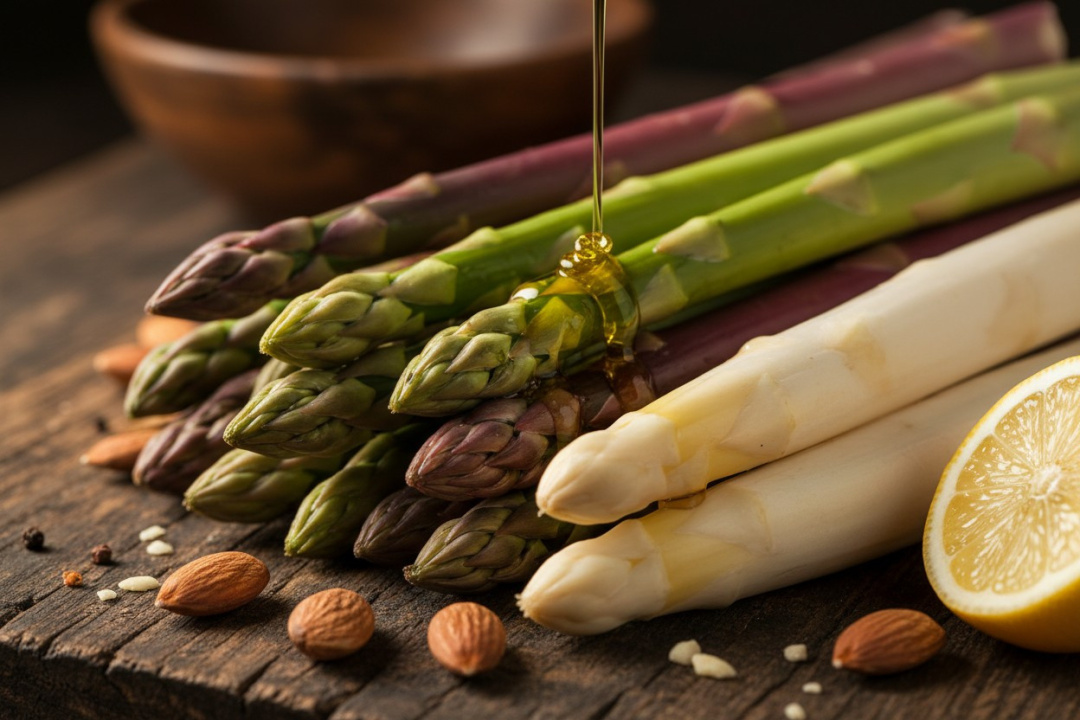
Asparagus, a low-calorie vegetable rich in fiber, folate, and antioxidants, has been recognized for its health benefits and historical significance as a wartime staple. Recent dis…

 Breathing.Food