Scrutiny of the Make America Healthy Again Initiative and Its Dietary Guidelines
The Make America Healthy Again (MAHA) initiative, spearheaded by US health secretary Robert F. Kennedy Jr, aims to confront chronic disease, improve nutrition, and lower healthcare costs. Launched in January, the initiative proposes significant changes to US health policies, particularly in areas concerning nutrition and vaccines, as well as addressing what proponents see as an over-reliance on medication. The implications of such shifts in the United States could resonate globally.
Kennedy asserts that the MAHA policies are grounded in "gold standard" science, with some elements receiving endorsement from the research community. However, critics argue that certain claims within the MAHA platform are misleading or exaggerated, particularly those related to vaccine efficacy and autism spectrum disorder risk factors.
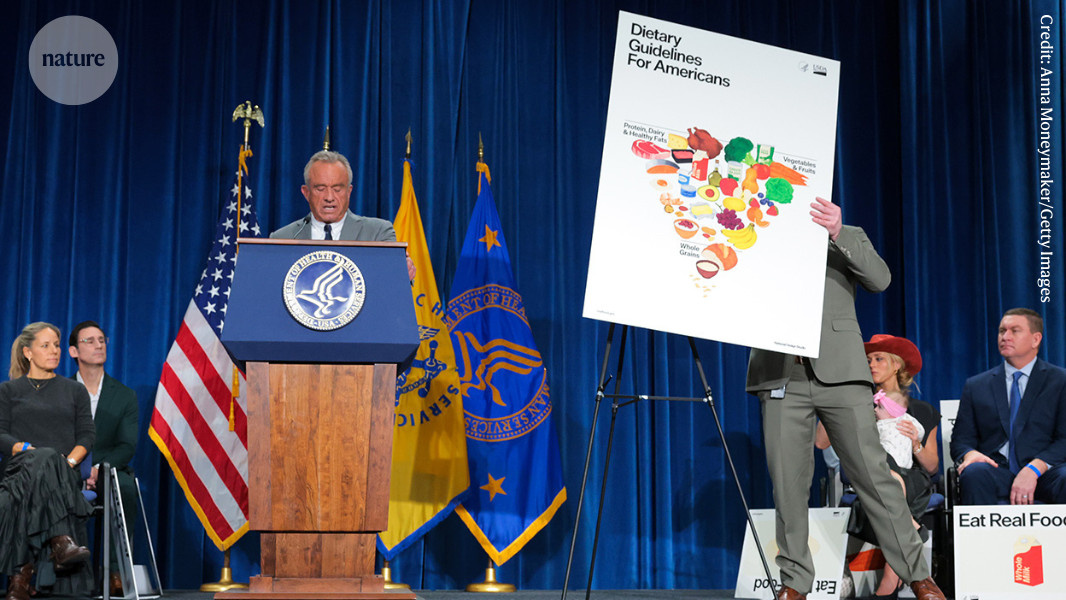
On January 7, the US health and agriculture departments unveiled their Dietary Guidelines for Americans for 2025 to 2030, which will influence nutrition and health policies across the nation, including food choices in schools. These guidelines encourage US citizens to "eat more real food," advocating for diets rich in red meat, full-fat dairy products, and fresh fruits and vegetables, while imposing strict limits on added sugars and ultra-processed foods. Christopher Gardner, director of nutrition studies at Stanford Prevention Research Center, notes that while many statements align with previous recommendations to focus on real foods, the increased emphasis on red meat and dairy raises the recommended protein intake from 0.8 grams to between 1.2 and 1.6 grams per kilogram of body weight. Gardner critiques this change, pointing out that it overlooks a 2025 systematic review which found insufficient evidence to justify altering the previous protein guideline.
Gardner, who served on the 2025 Dietary Guidelines Advisory Committee (DGAC), which advises the Department of Health and Human Services and the Department of Agriculture, highlights that the committee's comprehensive 421-page report collated the latest scientific evidence supporting the guidelines. However, a supplemental review produced by a committee appointed by former President Donald Trump also contributed to the 2025-30 guidelines, raising questions about the rigor of the review process.
Walter Willett, a nutrition researcher at Harvard T.H. Chan School of Public Health, expresses concerns that the research underpinning the latest guidelines did not undergo a thorough review process open to public comment, contrasting it with the more rigorous work of the original expert committee.
Despite these criticisms, certain populations, such as older adults and athletes, may benefit from higher protein intake. A 2018 study advocated for older adults to consume at least 1.2 grams of protein per kilogram of body weight to mitigate muscle loss. However, excessive consumption of animal protein could lead to health risks, including kidney stones, as noted in a 2023 study. Furthermore, a systematic review from 2010 linked diets high in processed meats to increased risks of coronary heart disease and diabetes.
The new dietary guidelines also recommend avoiding highly processed foods and sugar-sweetened beverages, targeting items like fizzy soft drinks and energy drinks. A 2024 review of 45 meta-analyses published in The BMJ found a correlation between high consumption of ultra-processed foods and increased mortality rates, alongside higher risks of cardiometabolic and mental health disorders.
In response to the guidelines, the American Medical Association commended the Administration for addressing the dangers posed by highly processed foods and excess sodium, which contribute to chronic illnesses.
However, Josiemer Mattei, another nutrition researcher at Harvard, cautions that not all ultra-processed foods are equally harmful. While sugary beverages and processed meats have clear negative health impacts, the broader category of ultra-processed foods includes items that can also provide essential nutrients, complicating the narrative around their health effects.
The MAHA initiative has also raised concerns regarding seed oils, which are high in omega-6 fatty acids. Kennedy's report suggests that these oils may contribute to inflammation, a claim that Mattei argues lacks scientific backing. Willett emphasizes that evidence supports the health benefits of plant-based oils over saturated fats, countering claims that seed oils are detrimental to health.
In an April 2025 press conference, Kennedy announced plans to phase out petroleum-based synthetic dyes, citing links to ADHD and cancer. However, Mattei argues that ADHD's causes are primarily genetic and developmental, rather than nutritional. The ongoing debate surrounding the MAHA initiative underscores the complexities of nutrition science and the challenges of translating research into public policy.