Study Links Previous Schistosome Infection to Lower Risk of Hyperuricemia
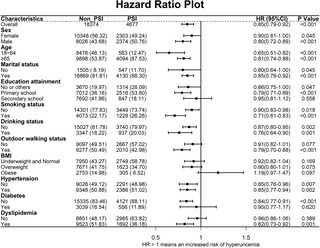
A recent prospective cohort study has revealed a noteworthy connection between previous schistosome infection (PSI) and a reduced risk of hyperuricemia, a metabolic disorder characterized by elevated serum uric acid levels. Conducted in Kunshan, China, the study involved 23,051 adults and aimed to explore how PSI might influence the incidence of hyperuricemia, which is a recognized risk factor for various metabolic and cardiovascular diseases.
The study's findings are particularly significant given that hyperuricemia is associated with conditions such as gout and kidney stones, and its prevalence is rising globally. Among the participants, 4,677 individuals (20.29%) reported a history of schistosome infection, with 87.53% of these cases occurring in individuals over the age of 64. Over a follow-up period totaling 60,335 person-years, researchers documented 4,417 new cases of hyperuricemia. The incidence rates were 64.91 per 1,000 person-years in those with PSI compared to 75.38 per 1,000 person-years in those without.
The cumulative hazard of developing hyperuricemia differed significantly between the two groups, with 17.36% of the PSI group developing the condition versus 19.62% in the non-PSI group. After adjusting for various demographic and clinical factors, the study found that PSI was associated with an 11% lower risk of hyperuricemia, with a hazard ratio of 0.89 (95% CI: 0.82–0.97, p = 0.005).
These results suggest that the biological effects of schistosome infection may play a role in modulating metabolic health, potentially through mechanisms that dampen inflammatory responses linked to uric acid production. However, it is crucial to note that this study reflects an observational association and does not establish a causal link. Schistosomiasis remains a serious public health issue, necessitating continued efforts for its prevention and control.
The study underscores the complexity of the interactions between infectious diseases and metabolic disorders, suggesting that further research is needed to elucidate the underlying mechanisms that connect PSI to hyperuricemia. Understanding these relationships could offer new insights into managing metabolic diseases while emphasizing the importance of addressing schistosomiasis as a significant health concern.














