Asparagus: A Nutrient-Dense Vegetable with Historical Significance and Health Benefits
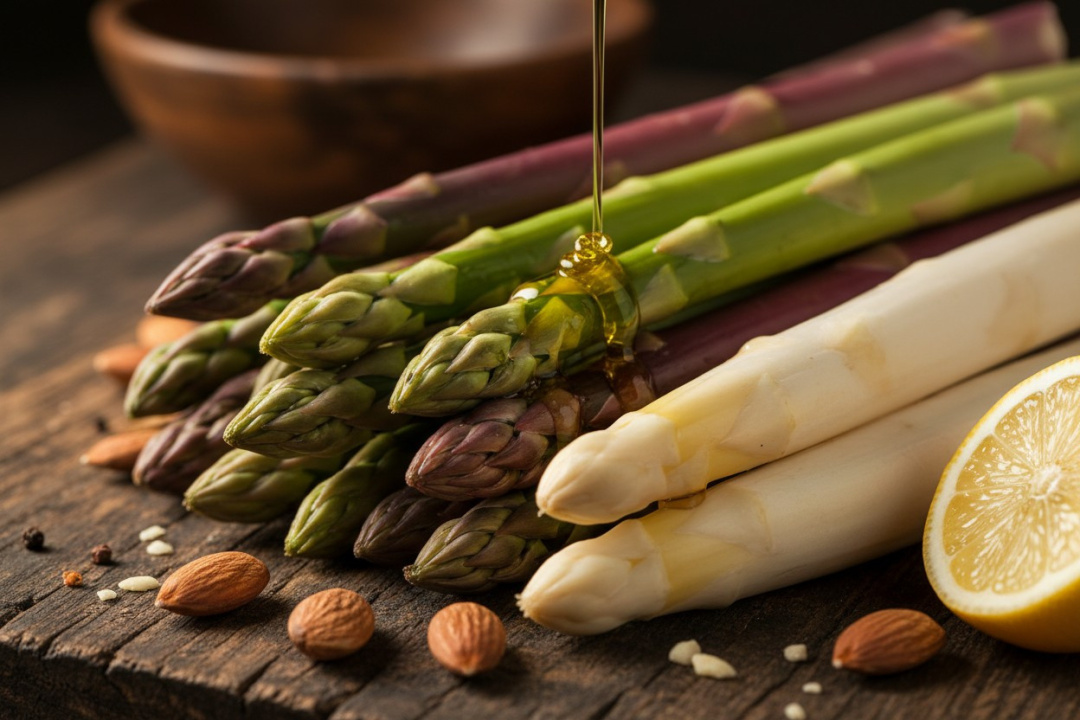
Asparagus, a slender green vegetable with a rich history dating back to ancient times, has transitioned from a wartime staple to a recognized superfood. During World War II, it was widely cultivated in British allotments as part of the Dig for Victory campaign, showcasing its importance in times of need. Modern nutrition science now affirms asparagus's dense nutrient profile, which includes fiber, folate, vitamin K, and a variety of antioxidant compounds. Registered dietitian Nichola Ludlam-Raine emphasizes that incorporating more asparagus into one's diet can be beneficial due to its low calorie count and high nutritional value.
Asparagus provides approximately 25 calories per 100 grams, along with 2.9 grams of protein, 2 grams of carbohydrates, and 2 grams of fiber, according to published nutritional data. It contains inulin, a prebiotic fiber that supports beneficial gut bacteria. A previous report highlighted asparagus as a fiber-rich vegetable that may aid in relieving bloating and promoting weight loss, while also playing a role in maintaining healthy blood pressure. Animal studies have suggested that asparagus consumption could lead to lower cholesterol levels and reduced blood pressure, although researchers note that further human trials are necessary to confirm these findings.
The vegetable is also a source of the antioxidant glutathione, known for its anticarcinogenic properties, and rutin, which helps protect small blood vessels. Folate found in asparagus supports the production of neurotransmitters such as dopamine, serotonin, and norepinephrine, contributing to its reputation as a "feel-good" vegetable.
While green asparagus is the most common variety available, purple and white varieties offer distinct nutritional profiles. Purple asparagus contains anthocyanins, the antioxidant pigments found in blueberries, which may provide additional health benefits. A study published in the Journal of Agricultural and Food Chemistry identified significant anthocyanins in purple asparagus, indicating its high antioxidant activity.
White asparagus, which grows underground and lacks chlorophyll, has lower antioxidant levels compared to green varieties but may contain higher amounts of vitamin C and fiber. Jubilee asparagus, a U.K.-grown variety, shares a similar nutritional profile with standard green asparagus, offering excellent levels of vitamin K, folate, and prebiotic fiber.
To maximize the absorption of fat-soluble vitamins and beneficial compounds in asparagus, nutritionists suggest pairing it with healthy fats such as olive oil, nuts, or oily fish. Ludlam-Raine advises that combining asparagus with protein-rich foods like eggs, salmon, or beans can create a balanced meal. Cooking methods also play a crucial role in preserving nutrients; steaming or consuming asparagus raw is recommended over boiling to maintain its water-soluble vitamins.
Asparagus is generally safe for most individuals and can provide significant digestive and cardiovascular benefits. However, those on blood-thinning medications like warfarin should monitor their vitamin K intake, as fluctuations can affect medication efficacy. Additionally, individuals with gout or a history of kidney stones should consume asparagus in moderation due to its purine content.
For most adults, incorporating asparagus into a balanced diet can enhance heart and digestive health without adverse effects. Its combination of low calories, high fiber, essential vitamins, and antioxidant compounds positions asparagus as a valuable addition to a nutrient-dense eating pattern. With its historical significance and modern scientific validation of its health benefits, asparagus deserves a permanent place in daily diets.