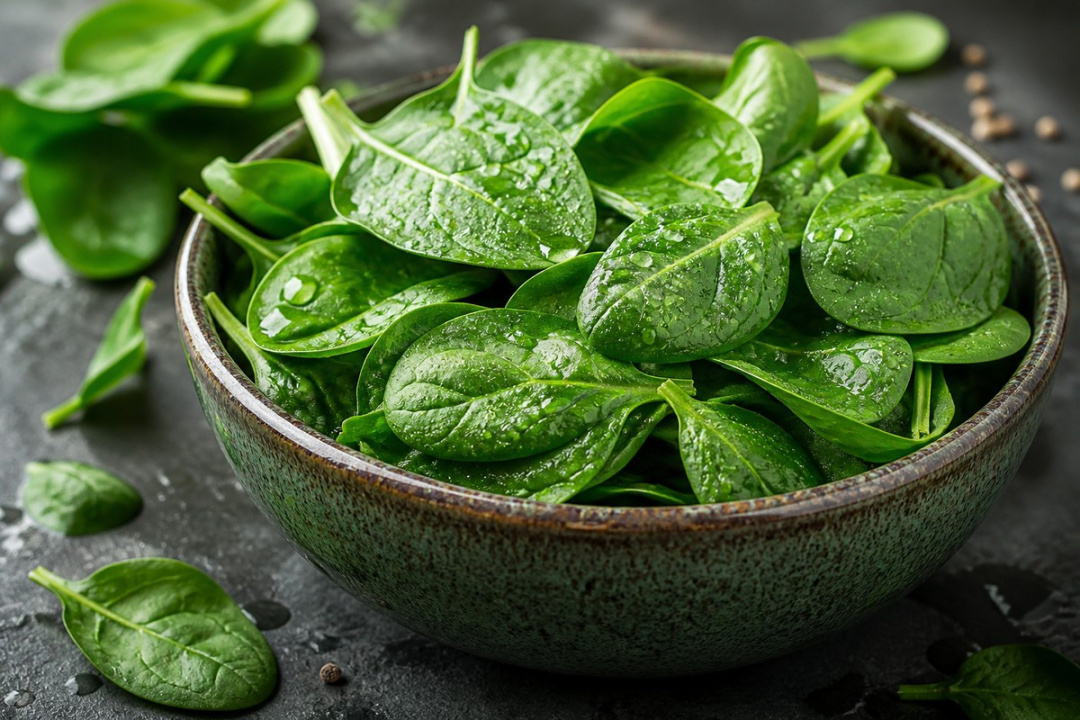
Understanding the Caloric Content and Nutritional Benefits of Spinach

Spinach, a leafy green vegetable, is known for its low caloric content, which can often lead to confusion regarding its nutritional value. One cup of raw spinach, weighing approximately 30 grams, contains only 7 calories. In contrast, 100 grams of raw spinach has about 23 calories, while a cup of cooked spinach, which weighs around 180 grams, contains approximately 41 calories. This difference in calorie count is primarily due to the way cooking affects the volume of spinach; cooking collapses the leaves, allowing more to fit into a measuring cup. Therefore, when measuring spinach, it is crucial to consider its form to avoid miscalculating caloric intake.
According to USDA FoodData Central, the nutritional breakdown of spinach reveals that a standard measuring cup of raw spinach carries not only 7 calories but also 0.86 grams of protein, 1.1 grams of carbohydrates, and 0.66 grams of fiber. When cooked, spinach retains similar nutritional properties, with 5.3 grams of protein and 4.3 grams of fiber per cup, which is about 15% of the Daily Value. The high water content of spinach, approximately 91%, contributes to its low-calorie density, making it an excellent option for those looking to increase their vegetable intake without significantly impacting their caloric consumption.
The confusion surrounding spinach's caloric content often arises from how it is measured. For instance, a typical 5-ounce clamshell of baby spinach contains around 33 calories, while a 16-ounce bunch of mature spinach has about 78 calories. This discrepancy highlights the importance of understanding serving sizes and preparation methods when tracking caloric intake.
Moreover, spinach is rich in essential vitamins and minerals, making it a nutrient-dense food. A raw cup provides 121% of the daily target for vitamin K for men and 161% for women. When cooked, the vitamin K content increases significantly, exceeding 700% of the Daily Value. Additionally, spinach is a good source of vitamin A, folate, magnesium, and potassium, which can contribute to various health benefits, including improved blood pressure regulation and enhanced eye health.
However, it is essential to note that spinach contains oxalates, which can bind to minerals like calcium and iron, reducing their absorption in the body. This is particularly relevant for individuals who may be at risk for kidney stones or those who rely on spinach as a primary source of iron. Cooking methods, such as boiling or steaming, can reduce oxalate levels, making spinach a more suitable option for those concerned about oxalate intake.
In conclusion, spinach is a versatile and nutrient-rich vegetable that can be easily incorporated into various dishes. Understanding its caloric content and nutritional benefits can help individuals make informed dietary choices. Whether consumed raw in salads or cooked in various recipes, spinach remains a valuable addition to a balanced diet, providing a wealth of vitamins and minerals with minimal calories.