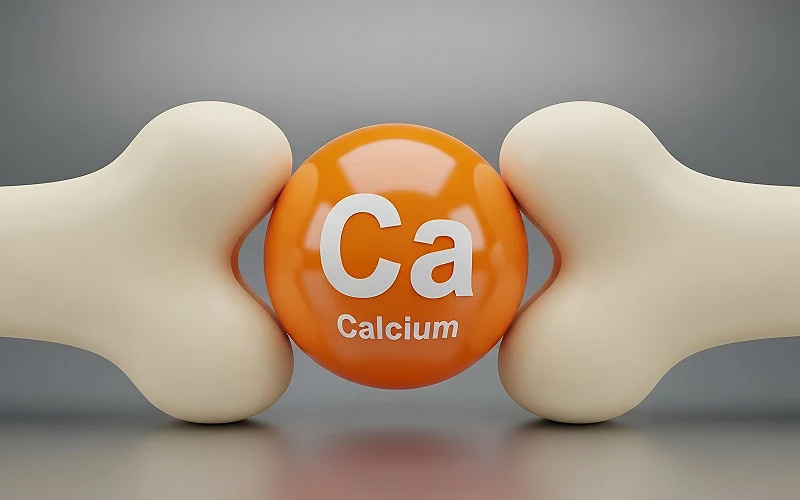
Calcium's Essential Role Beyond Bone Health: Insights into Cellular Function
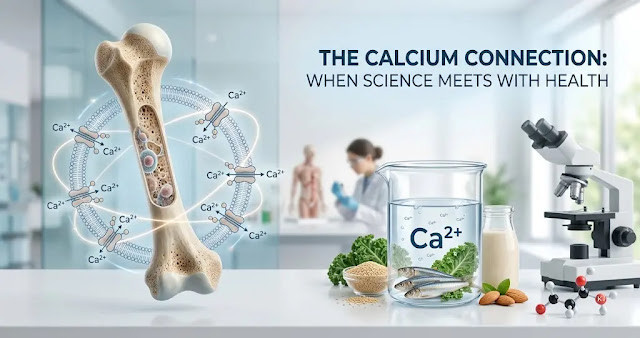
Calcium is commonly associated with supporting bone structure, yet its importance extends well beyond the prevention of osteoporosis. At the heart of this broader understanding lies Calcium ATPase, a crucial enzyme found in the membranes of all cells. This enzyme plays a vital role in regulating the movement of calcium ions, which is essential for various physiological functions. When Calcium ATPase is not functioning properly, it can lead to significant health issues, including heart disease, diabetes, and neurodegenerative disorders such as Alzheimer’s disease.
Despite substantial scientific evidence supporting the importance of Calcium ATPase, its role has not been widely discussed in mainstream wellness conversations. Health advocate Brunde Broady discovered this connection while seeking solutions for her son's complex health challenges. Her findings revealed how critical this enzyme is for systemic health, suggesting that optimizing cellular functions can be a transformative approach to enhancing overall well-being.
To achieve true health optimization, it is crucial to support the cellular systems that manage calcium, rather than merely focusing on mineral intake. Understanding the role of Calcium ATPase shifts the conversation from basic bone health to encompass brain function, cardiovascular health, metabolic balance, and long-term vitality.
While approximately 99% of the body's calcium is stored in bones and teeth, where it provides structural support, the remaining calcium is involved in numerous essential processes. These include muscle contractions, nerve signaling, blood clotting, and hormone regulation. Calcium also acts as a messenger, influencing enzyme activity and blood vessel function, which are critical for physical performance and energy metabolism.
Maintaining proper calcium levels is essential for normal physiological balance. The body meticulously regulates calcium through a feedback system involving parathyroid hormone (PTH) and calcitonin. When blood calcium levels drop, PTH signals the release of calcium from bones and reduces its excretion by the kidneys, while also activating vitamin D to enhance intestinal absorption. Conversely, when calcium levels rise, calcitonin helps to suppress bone resorption and promote calcium deposition in bones.
Disruption of this delicate regulatory system can lead to the body depleting its calcium reserves from bones, resulting in weakened structural integrity and increasing the risk of fractures and other age-related issues. However, simply increasing dietary calcium is not a comprehensive solution. A balanced approach that includes magnesium and vitamin K2 is necessary for optimal calcium utilization. Magnesium regulates calcium levels, while vitamin K2 directs calcium to bones and prevents calcification in soft tissues.
Calcium needs vary across different life stages, with pregnant or breastfeeding women requiring additional calcium for fetal development and milk production. Calcium supports bone density by balancing the activity of osteoclasts and osteoblasts, protecting against osteoporosis and fractures.
In addition to its structural roles, calcium influences cardiovascular health by regulating muscle contractions and blood pressure. It also plays a role in energy metabolism, hormonal regulation, and gastrointestinal health. Symptoms of calcium deficiency can manifest as muscle cramps, dental issues, and systemic fatigue, highlighting the importance of maintaining adequate calcium levels.
While dairy products are well-known sources of calcium, many non-dairy options exist, including leafy greens, fortified plant milks, and nuts. To enhance calcium absorption, it is beneficial to pair calcium-rich foods with vitamin D sources, such as fatty fish and egg yolks, and to ensure adequate sunlight exposure for natural vitamin D synthesis.
Calcium supplementation can be beneficial for those unable to meet their calcium needs through diet alone, but it should complement a balanced diet rather than replace it. Excessive calcium intake, particularly from supplements, may lead to adverse effects, including kidney stones. Therefore, it is essential to assess dietary intake and individual needs before considering supplementation.
Recent research is reshaping our understanding of calcium, emphasizing its role as a dynamic regulator of cellular signaling and metabolic health, rather than merely a static component of bone structure. As we age, maintaining calcium balance becomes increasingly critical for preserving mobility and independence, especially for older adults and postmenopausal women. The future of calcium science lies in personalized nutrition, focusing on individual needs and optimizing calcium utilization for better health outcomes.