Food Insecurity in Gaza: Families Rely on Community Kitchens Amid Rising Prices
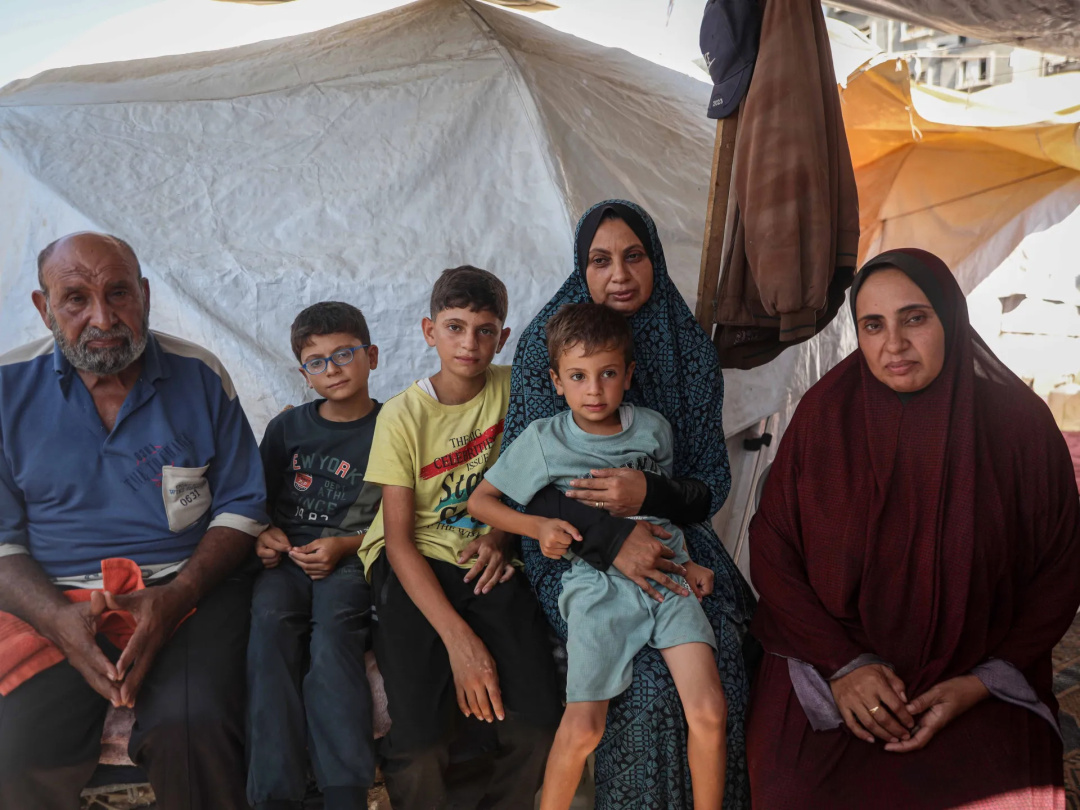
Gaza City — Families in Gaza are grappling with significant food insecurity as community kitchens, which serve as a vital resource for those with little or no income, face operational challenges. Mervat Radwan, a resident of a displacement camp, expresses relief when she learns that the community kitchen will serve lunch, but often finds that the portions are insufficient for her household of seven. To supplement the meals, she relies on canned goods and other limited supplies from aid parcels. The community kitchen near her home has been closed for extended periods, and the number of meals served has drastically decreased from approximately 1.5 million meals in mid-March to around 698,000 by July, according to the United Nations Office for the Coordination of Humanitarian Affairs. This decline is attributed to severe funding shortages and rising operational costs, leaving many families without adequate food. Radwan, who became the guardian of her three nephews after a tragic air attack claimed the lives of her brother and his family, faces the daunting task of providing for her relatives in a tent in Deir el-Balah. With no regular source of income, the family depends heavily on aid and charity. The psychological toll on the children, compounded by their limited access to nutritious food, is evident. Radwan emphasizes the sacrifices made by the adults in the family, often skipping meals to ensure the children have enough to eat. Fresh vegetables and protein sources are scarce and expensive, with prices for cucumbers and tomatoes soaring beyond their means. The World Food Programme reported that 77 percent of households in Gaza struggle to access fresh produce and protein due to high costs. This limited diet is taking a toll on the children's health, with one nephew suffering from kidney stones attributed to a diet high in salt and reliant on canned goods. For families like the Radwans, food assistance from charities is crucial for survival, but the lack of dietary diversity poses serious health risks.