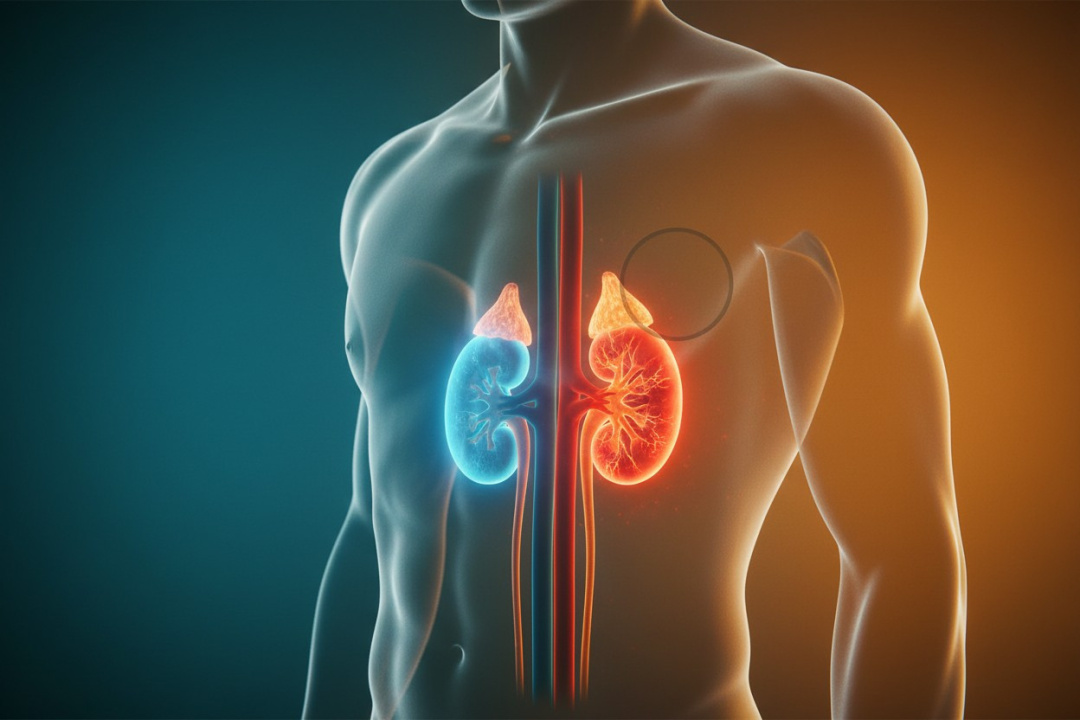
Dietary Patterns That May Reduce Kidney Stone Risk Through Gut Health
Research has revealed a potential link between dietary patterns that support gut health and a reduced risk of kidney stones. Kidney stones can cause severe pain and often recur, prompting individuals to seek effective prevention strategies. While hydration and diet are commonly recognized preventive measures, new findings suggest that the composition of one's diet, particularly in relation to gut microbiota, may also play a significant role.
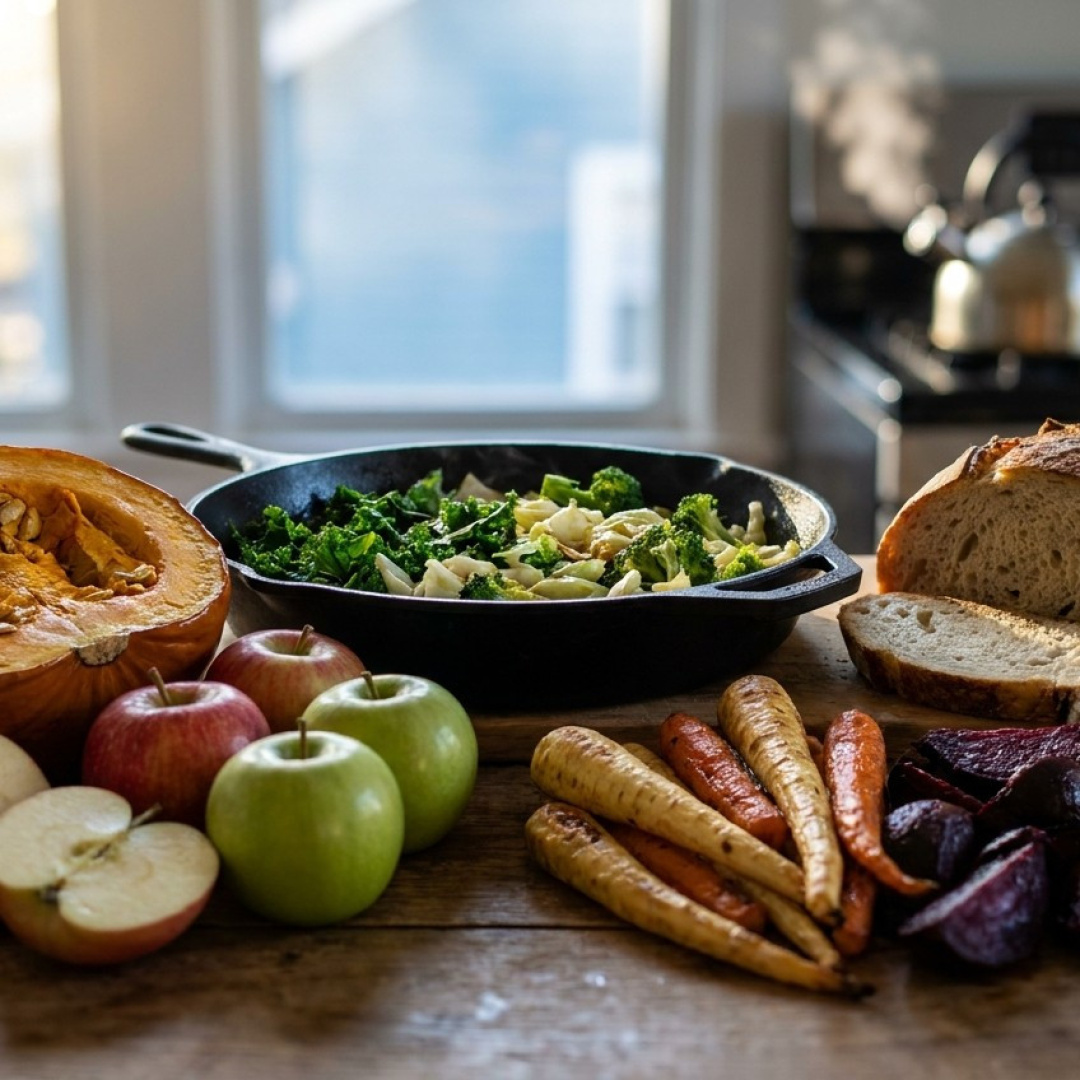
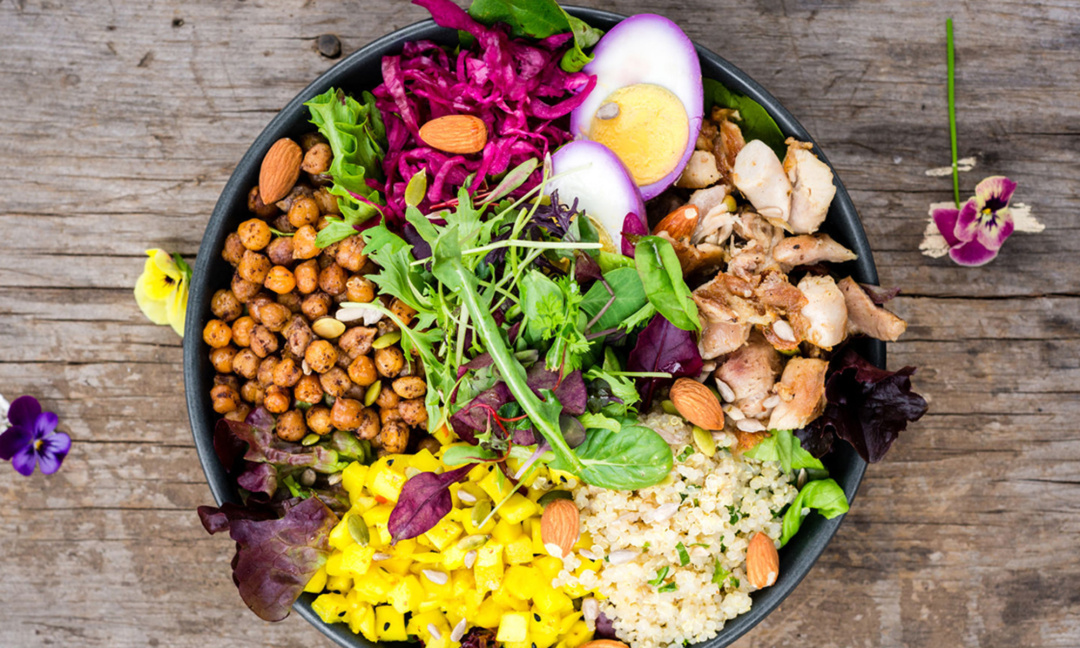
The study utilized the Dietary Index for Gut Microbiota (DI-GM), which evaluates dietary intake across 14 different food categories. Among these, ten foods are considered beneficial for gut health, including fiber-rich options like whole grains, broccoli, and chickpeas, as well as fermented dairy products, coffee, and green tea. Conversely, the index identifies four food categories that are less supportive of gut health: red meat, processed meat, refined grains, and high-fat diets.
Participants in the study were divided into three groups based on their DI-GM scores: low (0 to 5), moderate (6 to 7), and high (8 or above). The research compared 278 adults with a history of kidney stones to 556 adults without such a history, all from a health cohort in China. The results were striking: individuals with a DI-GM score of 8 or higher had an 83% lower likelihood of experiencing kidney stones compared to those with scores between 0 and 5. Furthermore, a consistent trend emerged, indicating that as DI-GM scores increased, the risk of kidney stones correspondingly decreased. This trend was observed across various age groups and genders.
However, it is crucial to note that the DI-GM score is not a definitive clinical measure but rather a tool for assessing dietary patterns. The study's case-control design allows for the identification of associations but does not establish causation. The researchers highlighted that the connection between diet and kidney stone risk may be partially attributed to oxalate, a compound found in many foods that can contribute to the formation of calcium oxalate stones. Certain gut bacteria can help break down oxalate, potentially reducing its absorption and subsequent presence in urine.
While the study underscores the importance of gut health in the context of kidney stone prevention, it also emphasizes basic preventive measures such as staying well-hydrated. Incorporating gut-friendly foods into one's diet may not only benefit overall health but could also serve as a practical approach to reducing the risk of kidney stones. Although there is no guaranteed solution, adopting these dietary habits may contribute positively to kidney health.