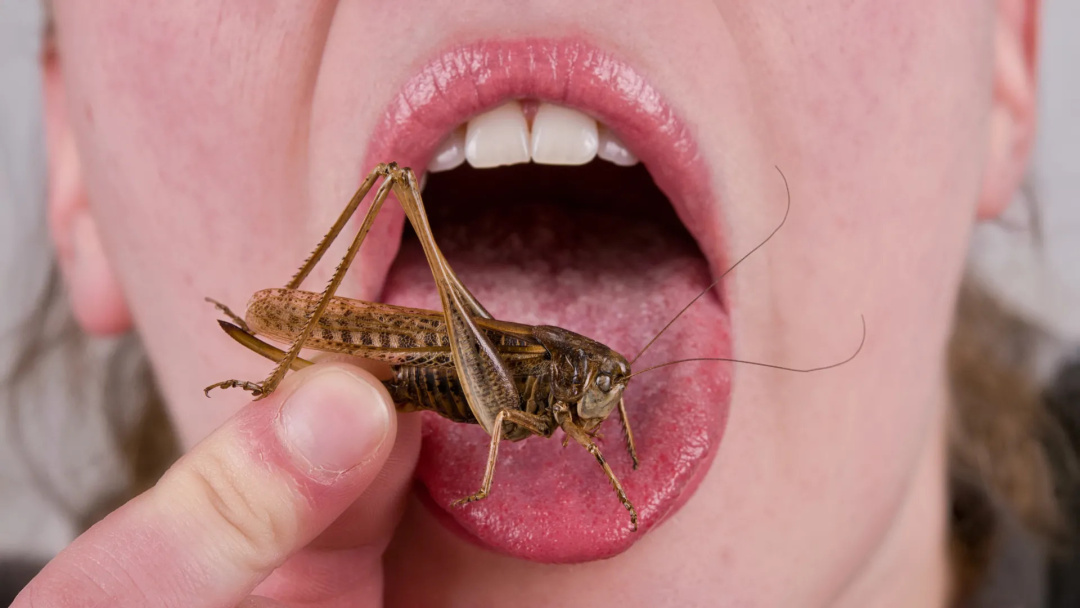
Recent research from the Institute of Evolutionary Biology indicates that modern humans in northern Eurasia have a long-standing aversion to eating insects, a trait that may date back 9,000 years. In contrast, Neanderthals appear to have consumed insects more regularly. The stud…
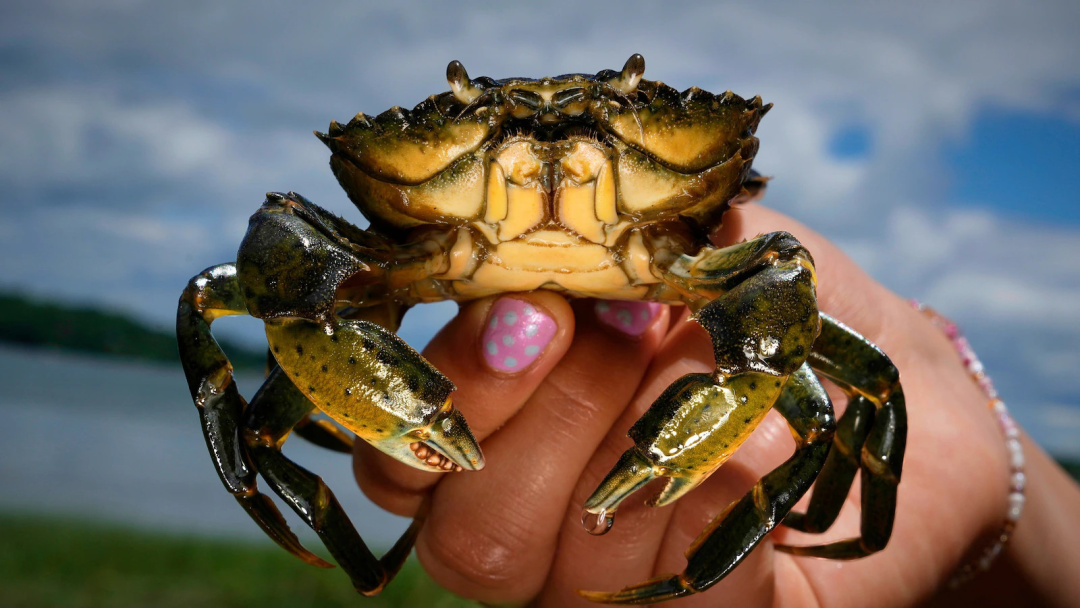
As invasive European green crabs threaten local fisheries and ecosystems in New England, efforts are underway to turn them into a culinary asset. Fishermen and chefs are exploring…
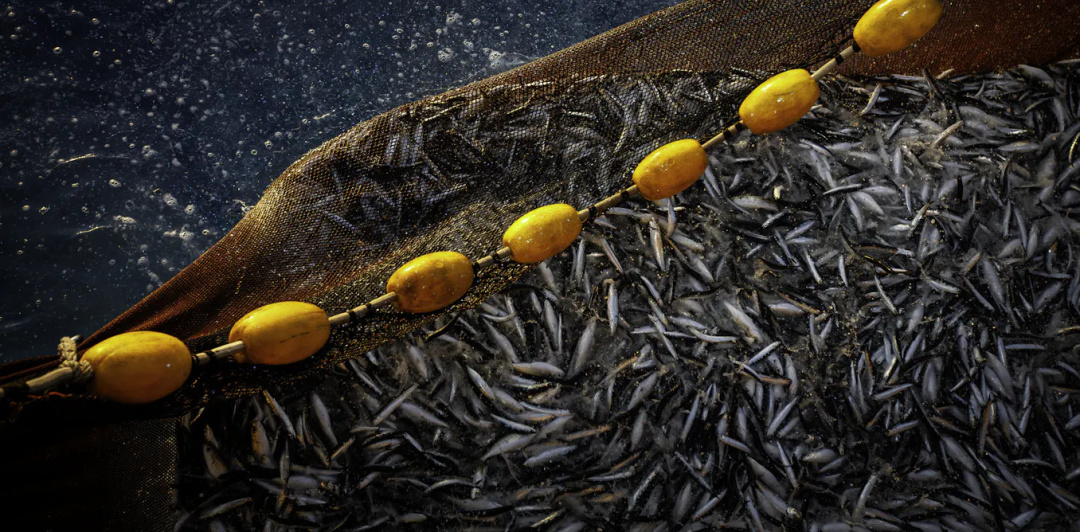
A recent study reveals that rising ocean temperatures due to climate change may significantly reduce omega-3 fatty acids in fish and the organisms they consume. This reduction pos…
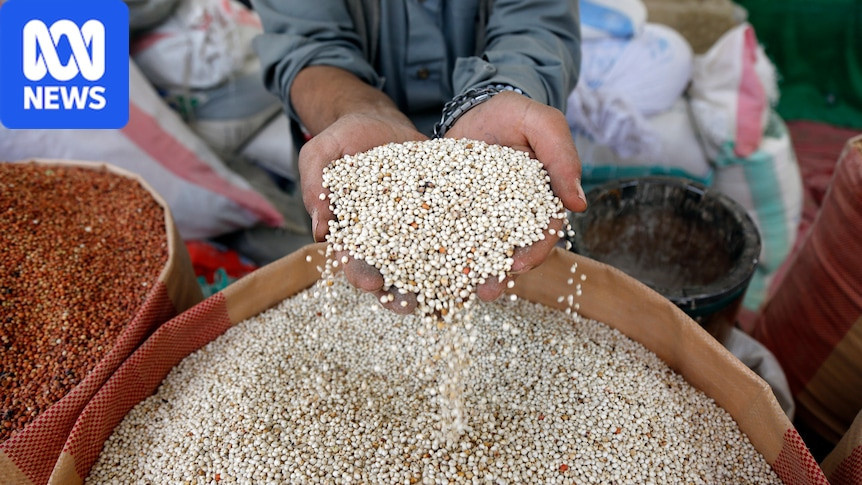
As the world grapples with rising fuel prices, new inflationary pressures are emerging, this time centered on food shortages. Climate change, particularly the El Niño phenomenon,…
Josie Brooks reflects on her visit to the Peary-MacMillan Arctic Museum, where a new exhibit titled 'Mamaqtuq! It’s Delicious: Traditional Foods of the North' highlights Inuit foo…
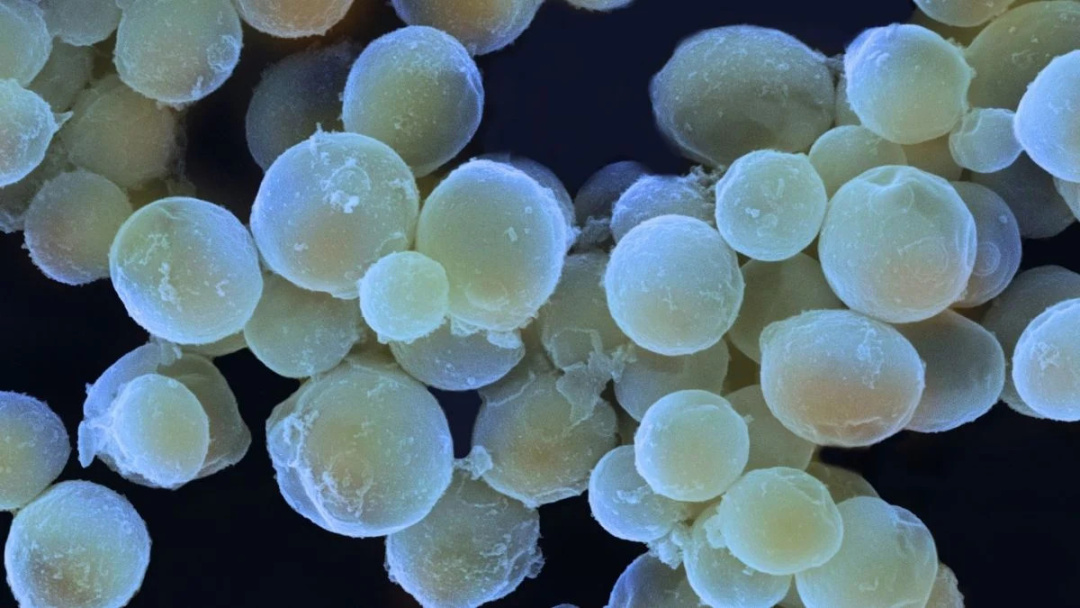
New research published in PLOS Biology reveals the significant role of marine fungi in the carbon cycle, particularly in Arctic fjords. The study shows that these microscopic orga…
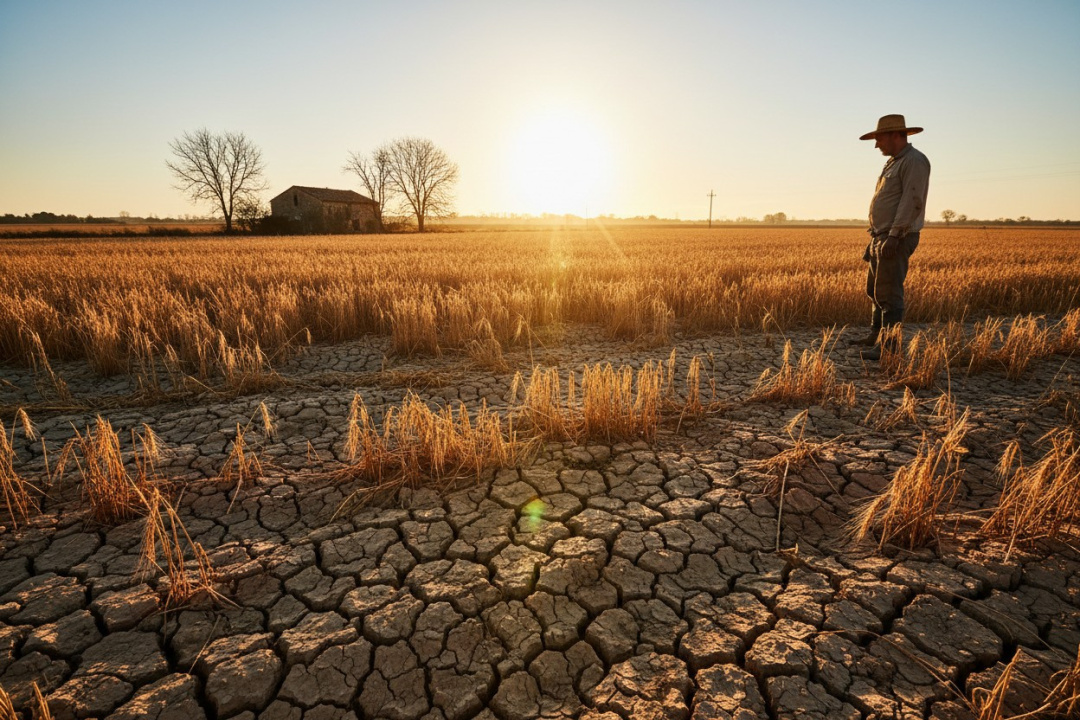
Agricultural producers in the European Union are facing sharp declines in yields due to unprecedented heatwaves this summer, with experts warning that these losses could lead to i…
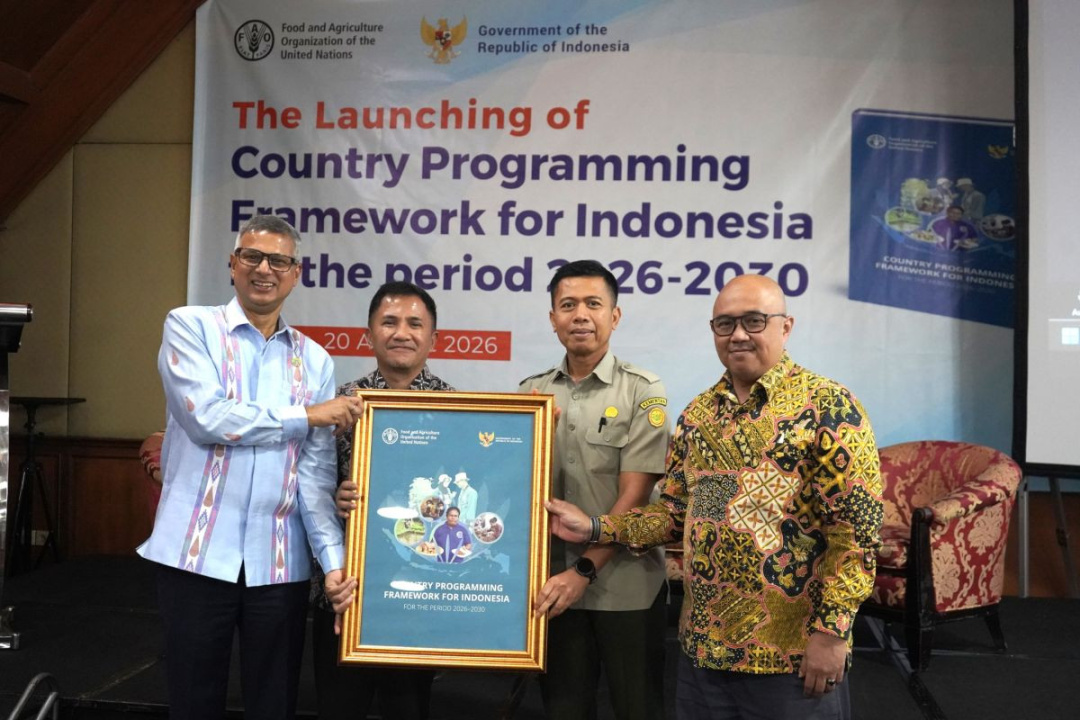
The Indonesian government, in collaboration with the Food and Agriculture Organization (FAO), has launched the 2026-2030 Country Programming Framework (CPF) aimed at enhancing sus…
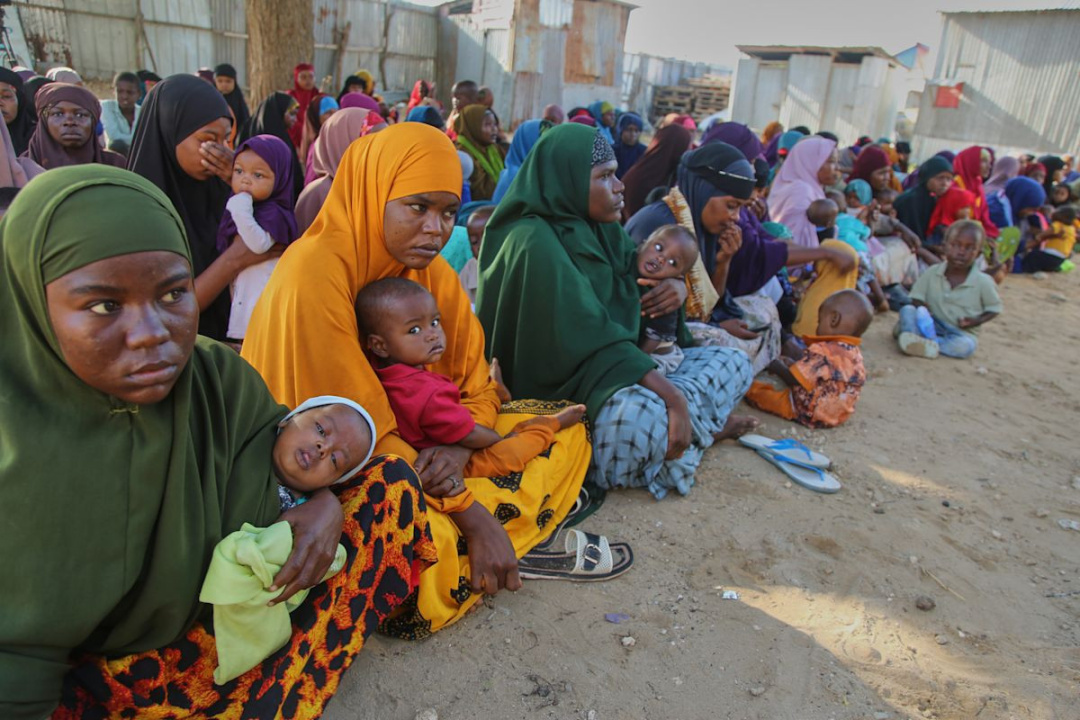
As Somalia grapples with acute food insecurity affecting six million people, the World Food Program's resources have drastically decreased, limiting its ability to provide essenti…
Member economies of the Asia-Pacific Economic Cooperation (APEC) convened to explore agricultural innovations and safety principles surrounding genome technologies aimed at improv…
Research on Collodaria, a type of marine plankton, reveals the distinct metabolic roles of photosynthesis and osmotrophy in their ecological function. This study highlights how th…
Recent research indicates that increasing levels of carbon dioxide in the atmosphere may be affecting human blood chemistry. A study analyzing over two decades of U.S. health data…
A new dating initiative in Washington D.C. requires potential matches to undergo a compatibility algorithm that evaluates their political affiliations, lifestyle choices, and cult…
A delegation from Myanmar, led by National Security Advisor U Tin Aung San, attended the 2nd ASEAN National Security Advisors Meeting in Manila from November 11 to 14. The discuss…
The Trump administration's efforts to dismantle U.S. climate policy, including cuts to clean energy subsidies and pollution limits, contrast sharply with growing climate ambitions…
Recent election outcomes show voters favor candidates who blend economic populism with climate action, highlighting a shift in priorities that connects economic struggles to envir…
The 2026–27 El Niño is projected to be one of the strongest in over a century, posing significant risks not only due to extreme weather but also through its potential to disrupt f…
A recent research paper from the San Francisco Federal Reserve suggests that the El Nino weather pattern may lead to a significant rise in U.S. inflation in 2027. The study highli…
 Breathing.Food