Inuit Food Traditions Explored at Maine's Peary-MacMillan Arctic Museum
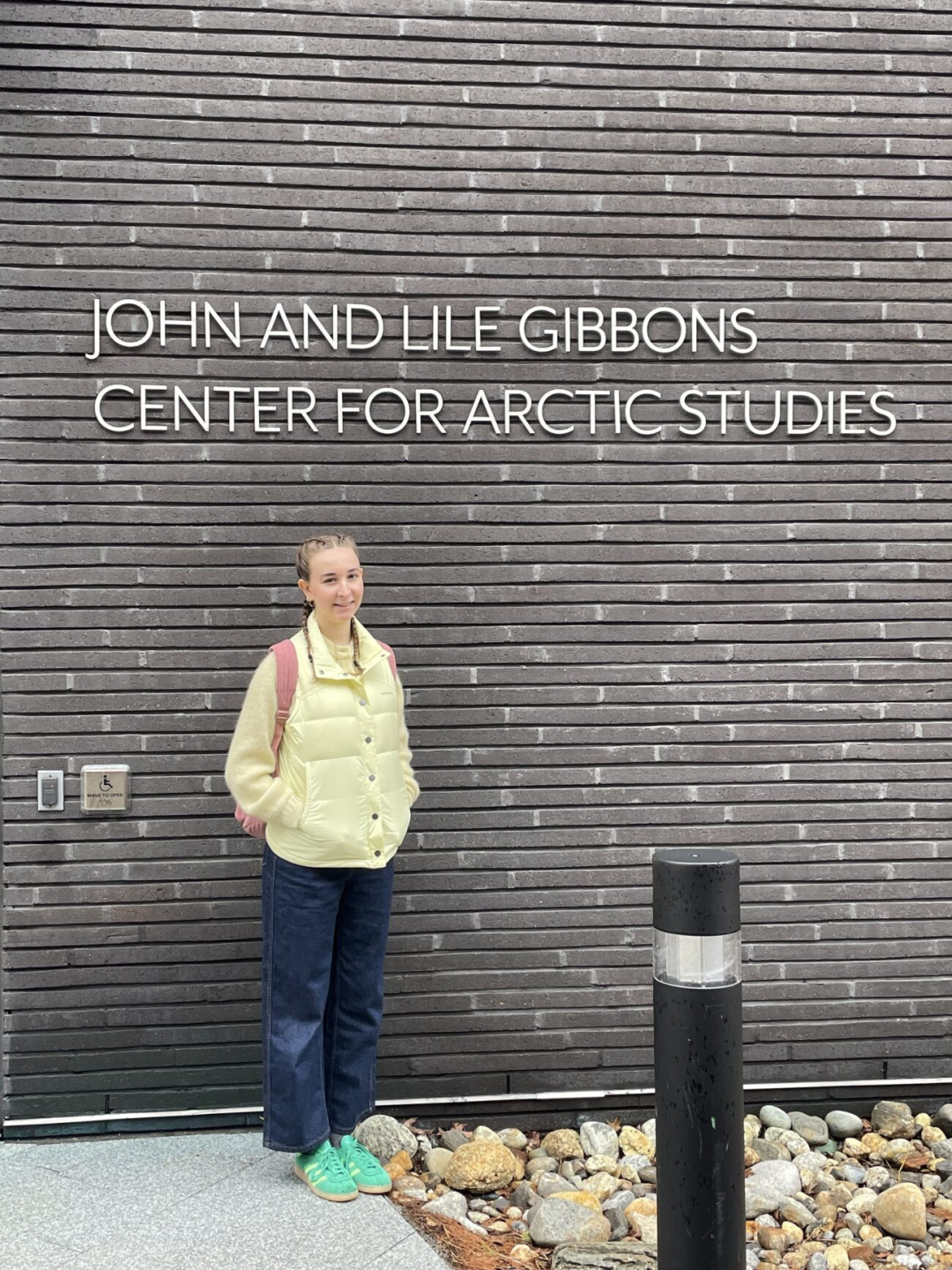
During her internship with the Polar Climate Ambassador Program in 2025, Josie Brooks delved into various topics related to climate change, particularly its effects on the polar regions and the cultural practices of the Inuit. Recently, she revisited these themes at the Peary-MacMillan Arctic Museum in Brunswick, Maine, which features a comprehensive exploration of Arctic history, art, folklore, and scientific research. Her visit coincided with the opening of a new exhibit, "Mamaqtuq! It’s Delicious: Traditional Foods of the North," which emphasizes the vital role traditional foods play in Inuit identity and community pride.
The Inuit, Indigenous peoples of the Arctic, share many cultural traits despite being spread across several northern countries. The exhibit uses artwork, photography, and traditional tools to illustrate how Inuit foods are sourced from land and sea. For over 10,000 years, Arctic communities have relied on these practices for survival. One striking piece in the exhibit, "We Like to Eat Raw Fish" by Qamani’tuaq native Janet Kigusiuq, vividly depicts the importance of salmon in the Inuit diet.
A large photograph nearby captures a community gathering, showcasing the Inuit tradition of sharing meals, which is central to their culture. The museum also features a sensory station where visitors can touch the furs of polar bears, muskox, caribou, and seals, as well as walrus tusks and narwhal horns, all integral to traditional hunting practices.
The second floor highlights Inuit hunting and travel equipment, illustrating how these tools were adopted by early polar explorers like Robert Peary and Matthew Henson in their quests to reach the North Pole. Displays include a qamutiik, a wooden sled used for transporting gear and hunters, and various garments made from animal hides that are essential for warmth in the harsh Arctic climate.
The "Mamaqtuq! It’s Delicious" exhibit also addresses the modern challenges faced by Arctic communities, particularly concerning food security, the preservation of traditional diets, and sustainability. In Greenland, the Inuit diet traditionally consists of fish, marine animals, berries, and land animals like caribou, all sourced directly by hunters. However, climate change is disrupting migration patterns, making traditional hunting increasingly difficult.
For instance, the decline in sea ice affects the hunting of bowhead whales, which are crucial for many Inuit communities in Alaska. As the timing and routes of whale migrations shift due to warming temperatures, hunters are adapting their practices, now primarily hunting in the fall instead of spring when food stocks are low.
The dietary transition caused by climate change is evident, as imported processed foods become more common in Inuit households, leading to a decline in traditional hunting knowledge among younger generations. Additionally, rising concerns about contaminants such as microplastics and PFAS in traditional foods pose health risks. The exhibit also highlights the economic challenges of food access in the Arctic, comparing the high prices of imported goods to those in the contiguous United States.
The Polar Climate Ambassadors Program, based at Lamont-Doherty Earth Observatory, aims to enhance understanding of the polar regions and their significance to global climate issues. Brooks' experience underscores the importance of connecting climate change to the cultural and social lives of Arctic peoples, bringing these critical issues to the public's attention.