Ancient Evidence Reveals Insect Consumption Patterns in Humans and Neanderthals
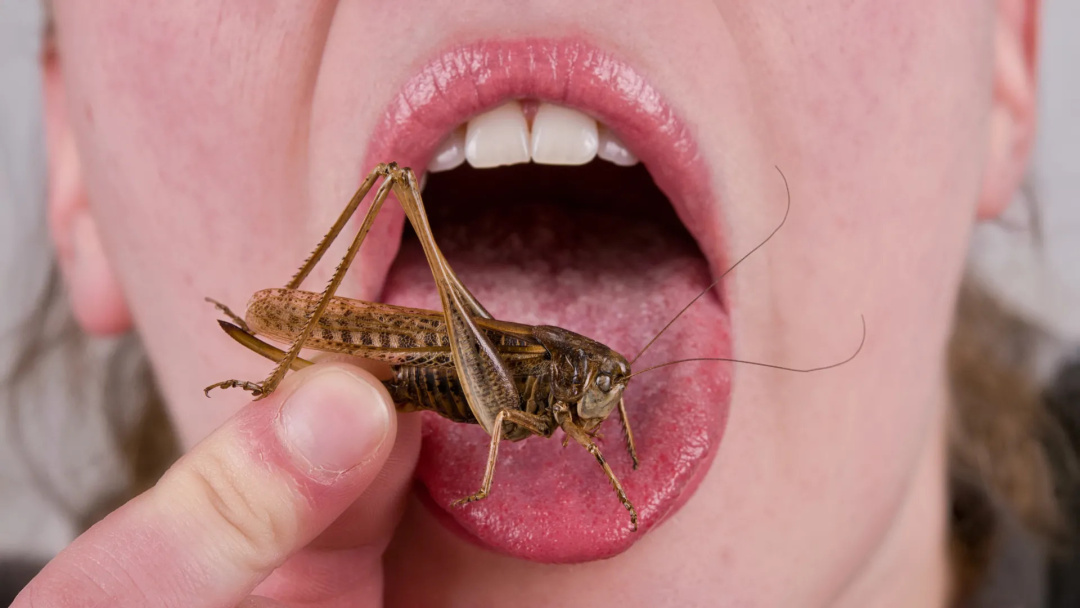
As the global population continues to grow and climate change exerts pressure on food systems, researchers and policymakers are increasingly exploring alternative sources of nutrition, including insects. The Food and Agriculture Organization of the United Nations (FAO) has identified 1,611 species of edible insects, promoting them as a potentially sustainable food source. However, many Western societies exhibit a strong resistance to entomophagy, or the practice of eating insects, despite the fact that hundreds of millions of people worldwide incorporate insects into their diets. This cultural reluctance has prompted researchers from the Institute of Evolutionary Biology (IBE), a collaboration between the Spanish National Research Council (CSIC) and Pompeu Fabra University (UPF), to investigate the historical roots of this aversion.
Their study, published in Science Advances, utilized genomic evidence to reconstruct patterns of insect consumption over thousands of years. The findings suggest that while modern humans in northern Eurasia consumed insects only occasionally, this practice was more prevalent among Neanderthals and in tropical regions. The researchers examined 745 samples of dental calculus from anatomically modern humans, dating back as far as 33,000 years. This dental tartar can trap and preserve DNA from species that were regularly consumed, providing a record of ancient diets.
The results indicated that northern Eurasian populations did not regularly include insects in their diets. Genetic analysis revealed mutations in chitinase genes, which are involved in breaking down chitin, a key component of insect exoskeletons. These mutations suggest a reduced ability to digest insects, a trait that has persisted for approximately 9,000 years, coinciding with the advent of agriculture. According to Pablo Librado, the principal investigator of the study, "The scarce presence of insects in the diet of northern Eurasians suggests that the absence of entomophagy is not solely due to recent cultural factors, but also to a long ecological and evolutionary history."
In contrast, Neanderthal dental calculus contained a significantly higher amount of insect DNA, indicating that they may have consumed insects more regularly. The levels detected were comparable to those found in western chimpanzees, which also supplement their diets with insects during periods of scarcity. Notably, the Neanderthal samples revealed a prevalence of DNA from Diptera, a group that includes flies and mosquitoes, suggesting that these insects were a common part of their diet.
The study also examined the genetic basis for digesting chitin in both ancient and modern populations. It was found that tropical populations retained genetic variants associated with higher expression of enzymes necessary for chitin digestion. This adaptation may be linked to the greater availability of social insects, such as termites and locusts, in tropical regions, which could be sustainably harvested year-round.
The researchers concluded that the historical decline of insect consumption in Europe may be attributed to ecological factors, as well as cultural and religious influences. The reduced availability of insects in non-tropical areas likely made them less viable as a food source over time. However, modern food production techniques may change this dynamic, allowing for the nutritional benefits of insects to be utilized without the need for direct consumption of their exoskeletons. The IBE is currently investigating the domestication of insects for human consumption, which could further enhance their role in sustainable food systems.