Global Food Shortages Loom as Climate Change and Conflicts Intensify
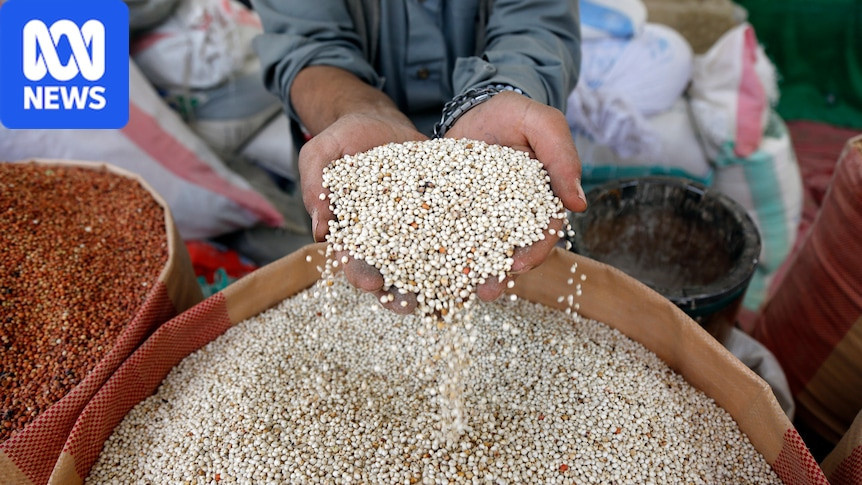
The global economy is facing a new wave of inflation, this time driven by food shortages that are expected to affect the most vulnerable populations. As nations adjust to higher fuel prices, the looming threat of famine is becoming increasingly apparent. Australian farmers are preparing for the El Niño weather pattern, which is anticipated to impact winter crop yields significantly. Reports indicate that this year's harvest is expected to be lower than last year's, raising concerns about food availability.
The situation is compounded by geopolitical tensions that disrupt food supply chains. Conflicts in various regions have led to instability, further straining resources and affecting food production. The combination of climate-related challenges and political unrest creates a precarious environment for food security worldwide.
Experts warn that the poorest nations will bear the brunt of these shortages, as they often lack the resources to adapt to changing conditions. The potential for increased hunger and food insecurity is a pressing concern that demands immediate action. Policymakers and stakeholders in the food system must prioritize strategies to mitigate the impact of these challenges, ensuring that vulnerable populations have access to adequate nutrition.
As the world monitors these developments, the importance of sustainable agricultural practices and resilient food systems becomes increasingly clear. Addressing the root causes of food shortages, including climate change and conflict, is essential for safeguarding global food security in the years to come.
In conclusion, the convergence of climate change and geopolitical issues presents a significant threat to food availability. It is crucial for governments, organizations, and communities to work collaboratively to address these challenges and protect the most affected populations from the impending crisis.