APEC Discusses Agricultural Biotechnology to Enhance Food Security
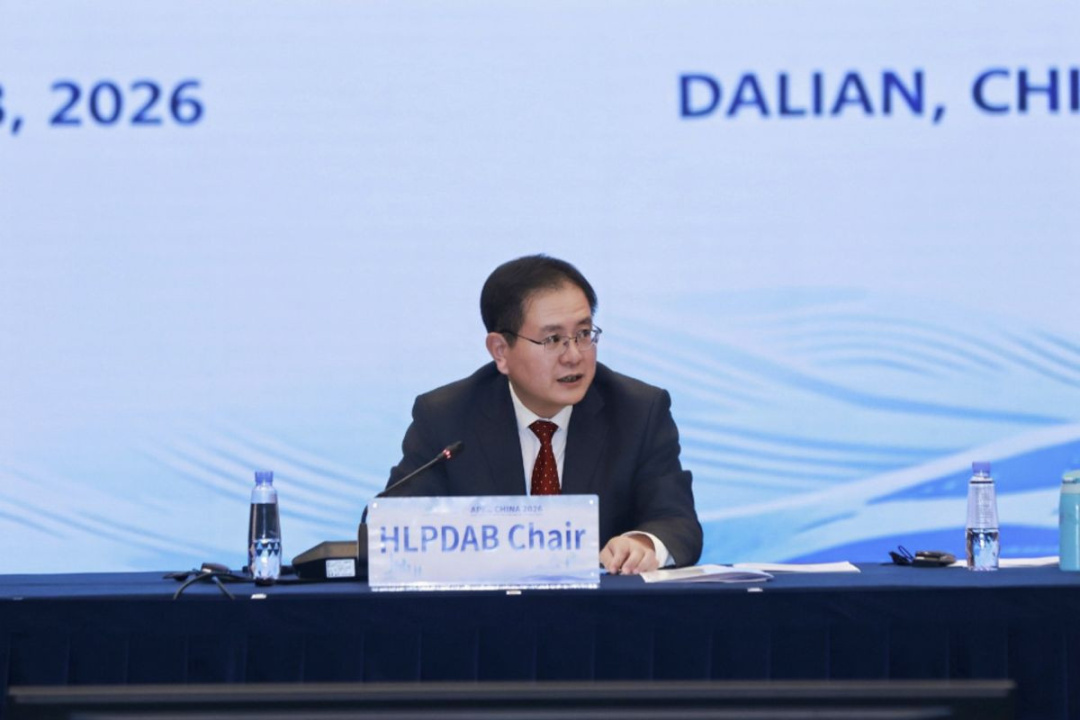
In a recent meeting held in Dalian, China, member economies of the Asia-Pacific Economic Cooperation (APEC) engaged in discussions focused on agricultural innovations and the implementation of stronger safety principles regarding genome technologies in crops and livestock. This dialogue was part of the High-Level Policy Dialogue on Agricultural Biotechnology, chaired by Li Xin Hai. He emphasized that the application of agricultural biotechnology, including transgenic engineering and gene editing, has significantly contributed to scientific and technological advancements in the field. Li noted that with the integration of artificial intelligence, these technologies are poised to offer new solutions for food security, tackle climate change, and promote sustainable agricultural practices. Delegates at the forum pointed out the effectiveness of precision breeding, which allows for specific gene editing rather than relying solely on traditional crossbreeding methods. This approach is already yielding positive results across various fruit, vegetable, and livestock varieties. Experts also highlighted the potential of genome editing to enhance drought tolerance, increase productivity while reducing fertilizer usage, and improve the nutritional profile of agricultural products. For instance, the development of rice varieties with lower glycemic indexes and higher protein content could provide healthier dietary options for individuals with diabetes by moderating sugar release into the bloodstream. Despite these advancements, there remains a notable public hesitance towards genetically modified foods, largely due to concerns regarding their safety and health implications. To counteract this skepticism, the forum underscored the necessity for science-based regulations that are adaptable to emerging technologies. These regulations should undergo thorough evaluations to assess both food safety and environmental risks throughout the product development process, supported by data-driven risk assessments. Additionally, the importance of consistent public education and strategic communication was highlighted as vital for building consumer trust in genetically modified foods. Li concluded by acknowledging the diversity among APEC economies in terms of development levels, resource availability, and regulatory frameworks, which necessitates robust information exchange and collaboration in the realm of agricultural biotechnology. This high-level dialogue serves as a precursor to the upcoming APEC Food Security Ministerial Meeting scheduled for August 25 in Hangzhou, China.