Research Highlights the Role of Marine Fungi in Arctic Carbon Storage
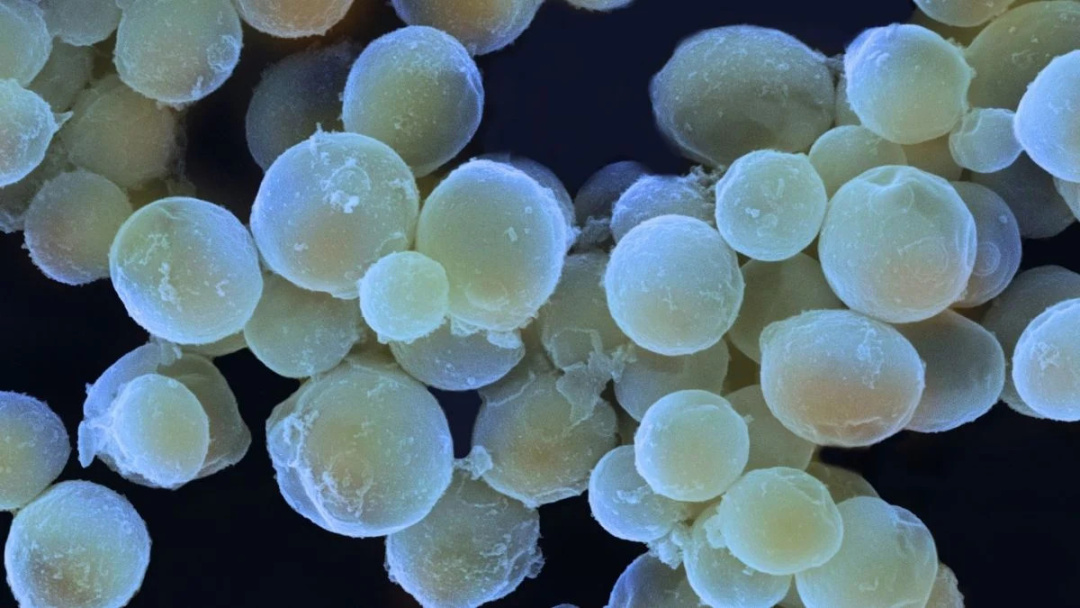
Fungi, often associated with terrestrial environments, are now being recognized for their presence in marine ecosystems, particularly in the Arctic. A recent study published in PLOS Biology sheds light on the crucial role that marine fungi play in the carbon cycle, emphasizing their ability to incorporate dissolved amino acids from seawater into their biomass. This research was conducted in Kongsfjorden, an Arctic fjord in Norway, where scientists collected samples from various environments, including glacial areas and tundra soils, as well as seawater and sediments.
The study, led by geomicrobiologist William Orsi from Ludwig Maximilian University of Munich, quantifies the extent to which marine fungi contribute to carbon storage in sediments, revealing that they can significantly trap carbon and nitrogen through their metabolic processes. Orsi states, "Our study shows that fungi in the Arctic Ocean can contribute significantly to carbon storage in sediments via their highly efficient metabolism," highlighting the importance of these organisms in the context of climate change and carbon sequestration.
The research team faced challenges in sampling and conducting experiments in the High Arctic, where ecosystems are fragile and dynamic. Lead author Juan Carlos Trejos-Espeleta notes the urgency of understanding these ecosystems, which are changing rapidly due to climate impacts. "Only recently are we looking at marine fungi as important participants in the marine carbon cycle, having a potential role in carbon sequestration, just as it is known for terrestrial environments," he explains.
The findings indicate that marine sediments are populated with a diverse mix of fungi and prokaryotes, with the balance between these organisms being crucial for carbon cycling. Molecular mycoecologist Marlis Reich from the University of Bremen, who commented on the study, emphasizes that fungi can outperform bacteria in assimilating dissolved organic matter, suggesting that the dynamics of carbon cycling in marine ecosystems are more complex than previously thought.
The research identifies more than 80 distinct varieties of fungi involved in this carbon capture process, with 34 belonging to the group known as 'aquatic hyphomycetes'. Interestingly, these fungi demonstrated efficiency in consuming amino acids even under low-oxygen conditions, which are common in Arctic fjord sediments. James Bradley from the Mediterranean Institute of Oceanography points out that the study reveals how fungi can retain labile organic matter as biomass, contributing to carbon storage at the seafloor.
As the Arctic undergoes unprecedented changes, the researchers stress the importance of further studies to fully understand the role of fungi in these ecosystems. Trejos-Espeleta concludes, "Future research should not ignore fungi anymore as key agents of carbon cycling," underscoring the need for a holistic approach to studying these vital organisms in marine environments.














