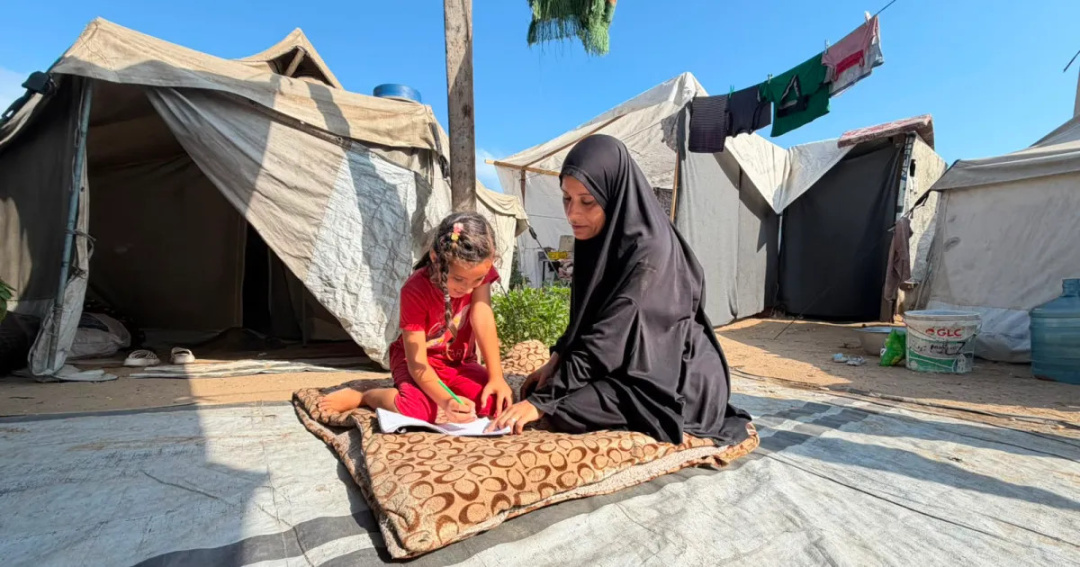
Somalia Faces Severe Food Insecurity Amid Reduced Support from the World Food Program
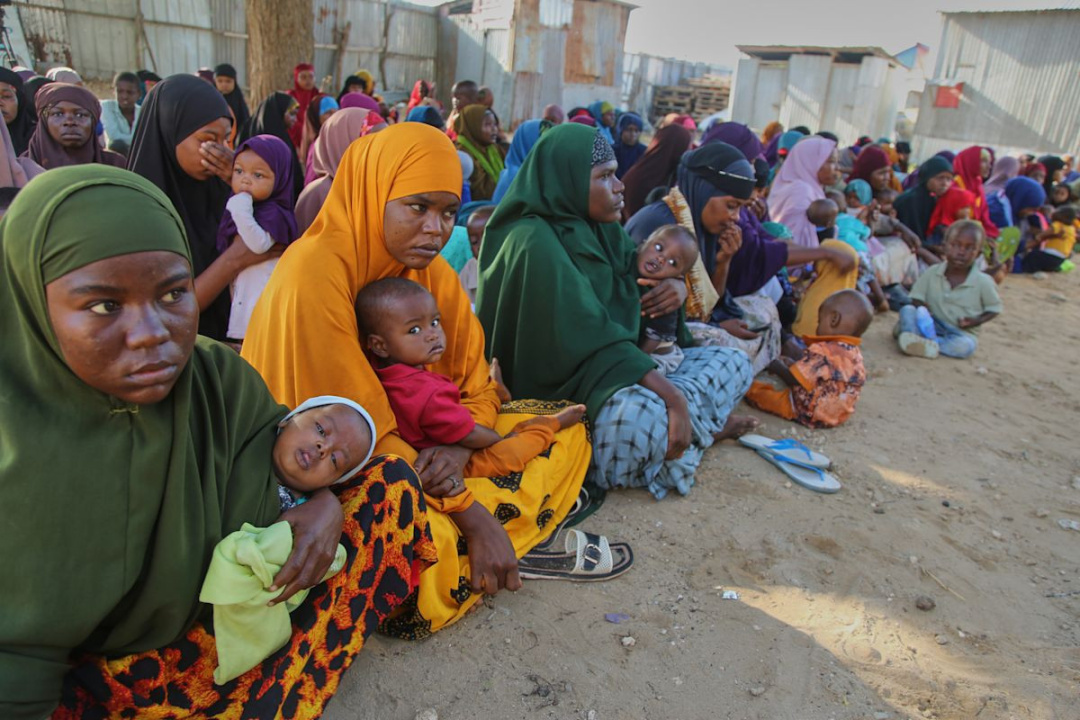
MOGADISHU, Somalia (AP) — In Somalia, six million individuals are currently experiencing acute food insecurity, a situation exacerbated by a significant reduction in resources available to the World Food Program (WFP). The WFP now has only a tenth of the funding it had in 2022, when it played a crucial role in averting famine in the drought- and conflict-stricken nation, according to WFP executive director Carl Skau. During a recent visit to a nutrition center on the outskirts of Mogadishu, Skau stated, "We can only do the bare minimum," highlighting that the organization is only able to provide nutrition supplies to the most severely affected children. The drastic cut in funding is attributed to decreased international aid and a redirection of resources to other humanitarian crises, leaving the WFP unable to expand its assistance in Somalia. The agency projects that 1.9 million children under the age of five will suffer from acute malnutrition this year, with nearly 500,000 requiring urgent treatment for severe acute malnutrition. Overall, around 30% of the Somali population is facing critical levels of food insecurity. Skau reflected on the previous year, stating, "We had 10 times more resources than now," which enabled the organization to intervene effectively during the 2022 hunger emergency caused by prolonged drought. The current food shortage is compounded by ongoing conflict, displacement, and the effects of climate change. At the Feynuus Health Center in Mogadishu's Kahda district, health workers are witnessing the consequences firsthand, as women and children flock to the facility seeking help. Halima Mohamed Hassan, a mother of six, shared her harrowing experience of walking nearly three kilometers with her malnourished four-year-old child, while also being pregnant and having not eaten for two days. She recounted, "I could not carry all of them," referring to her other malnourished children she was unable to bring to the center. The Feynuus center serves between 250 and 350 patients daily, primarily displaced women and children from regions outside Mogadishu. Abdirahman Barkhad, program director of Youth Link Somalia, noted that the reduction in humanitarian funding has forced the closure of about ten nearby health and nutrition centers, increasing pressure on those that remain operational. "We have witnessed children collapsing, because their families do not have enough food," Barkhad stated. Mohamud Moallim Abdulle, commissioner of the Somali Disaster Management Agency, described the food situation as "extremely alarming," with an estimated 1.85 million children malnourished and around six million people affected by drought. Skau emphasized that rising food prices, insecurity, and the ongoing conflict have intensified the crisis, making it increasingly difficult for families to access food and health services. He noted that humanitarian operations are becoming more expensive due to the need for aircraft in areas where ground access is unsafe. The situation is further complicated by global factors, including conflicts in the Middle East that are driving up fuel and food prices and drawing funding away from Somalia. After receiving food at the center, Hassan began her journey back to the camp where she lives, knowing her other children were still waiting and hungry, highlighting the ongoing struggles faced by families in Somalia.