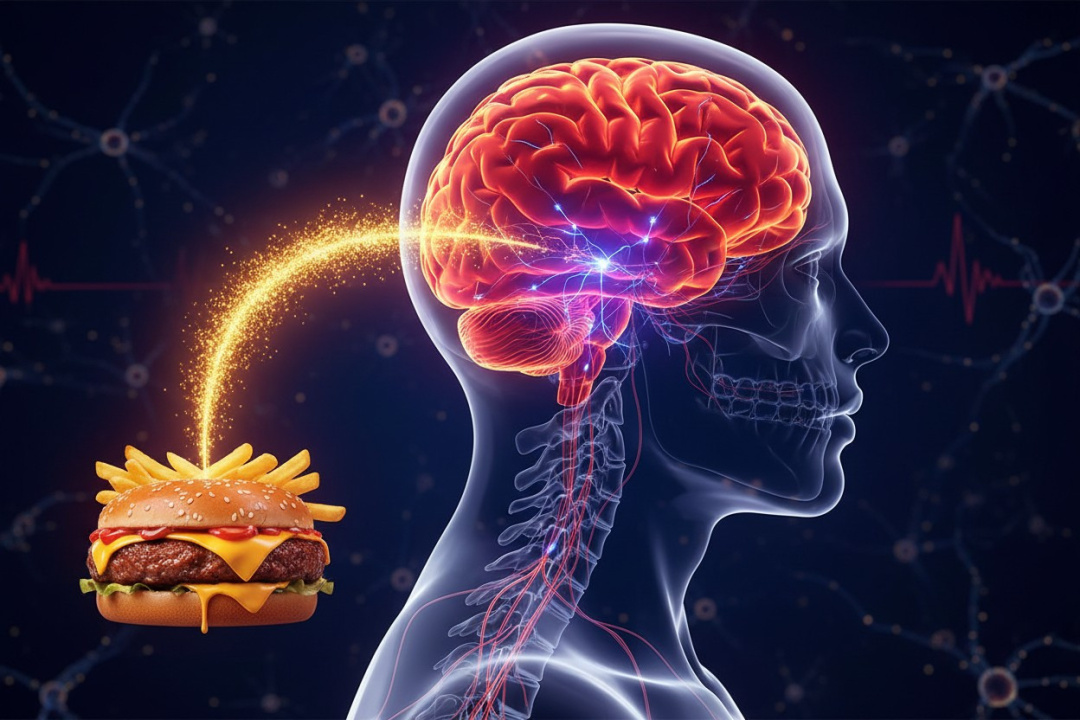
This article examines how GLP-1 and GIP agonist medications influence 'food noise,' defined as intrusive thoughts about food, and their implications for weight loss and eating behavior. The discussion highlights the neurobiological mechanisms involved, the variability in individ…
A recent study has identified a brain mechanism that may explain why individuals overconsume fatty foods. Conducted on animal models, the research highlights how specific neural c…
Yale researchers have identified a potential strategy to protect the brain from cognitive impairments caused by hypoglycemia in type 1 diabetes. The study suggests that dietary su…
A recent study from Stanford University suggests that women who use estrogen-only menopausal hormone therapy may experience a significantly lower risk of developing Alzheimer's di…
Research indicates that microplastics and nanoplastics, found in food, water, and air, accumulate in organs and may contribute to oxidative stress and metabolic dysfunction. This…
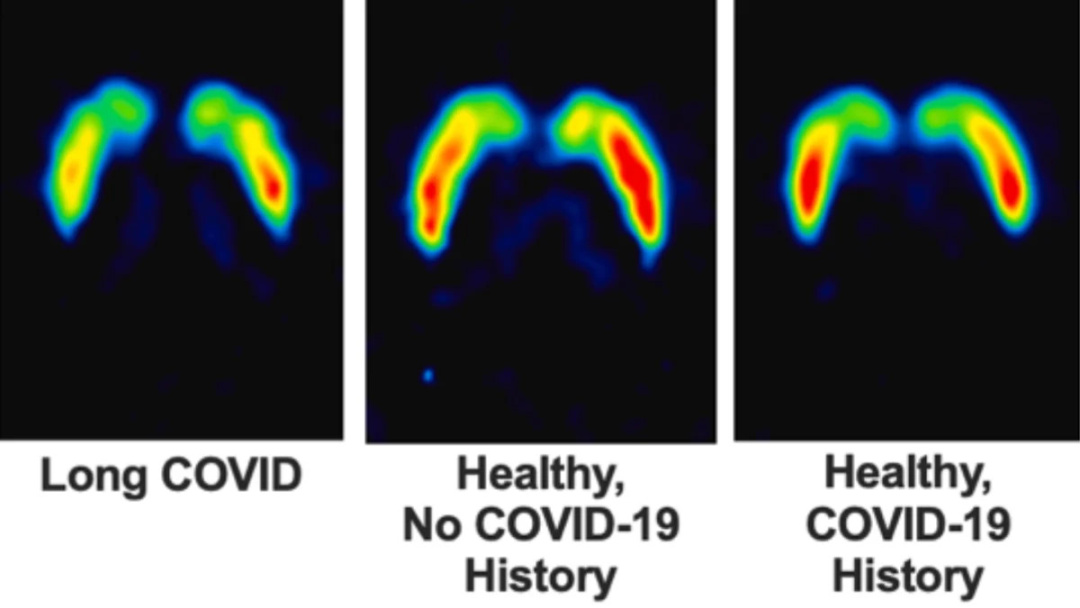
A recent study indicates that long COVID may lead to significant damage in the brain's dopamine system, affecting motivation and cognitive function. Researchers found that individ…
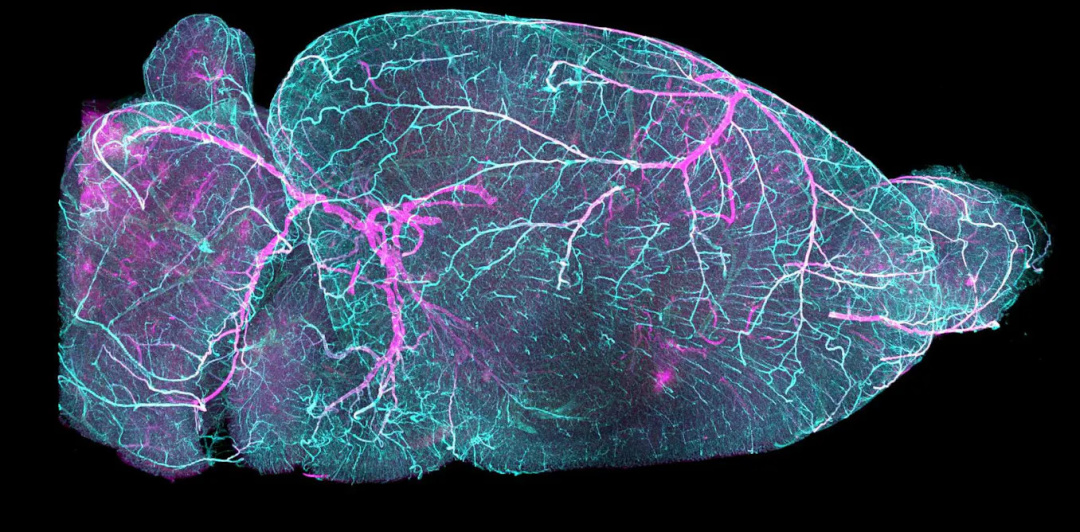
New research from UC San Francisco reveals that exercise triggers the liver to release an enzyme called GPLD1, which travels to the brain to repair the blood-brain barrier. This m…
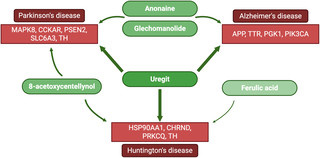
A recent study explored the potential of Centella asiatica, a medicinal plant, in addressing neurodegenerative diseases like Alzheimer's, Parkinson's, and Huntington's. Using netw…
A recent laboratory study published in the journal Nutrients found that polyphenols from sorghum can significantly reduce the accumulation of amyloid-beta proteins in brain cells,…
A recent study suggests that erythritol, a popular artificial sweetener, may increase stroke risk by damaging the blood-brain barrier. Researchers found that erythritol affects en…
Cerebral small vessel disease (CSVD) significantly increases the risk of stroke and cognitive disorders, affecting over 5 million people in France. While no curative treatment exi…
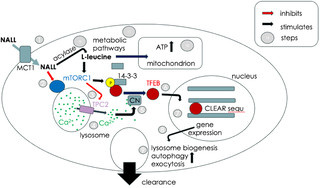
Levacetylleucine, the only FDA-approved treatment for Niemann-Pick disease type C, has been shown to influence the activity of Transcription Factor EB (TFEB) in HeLa cell models.…

 Breathing.Food