Erythritol May Pose Stroke Risk by Compromising the Blood-Brain Barrier
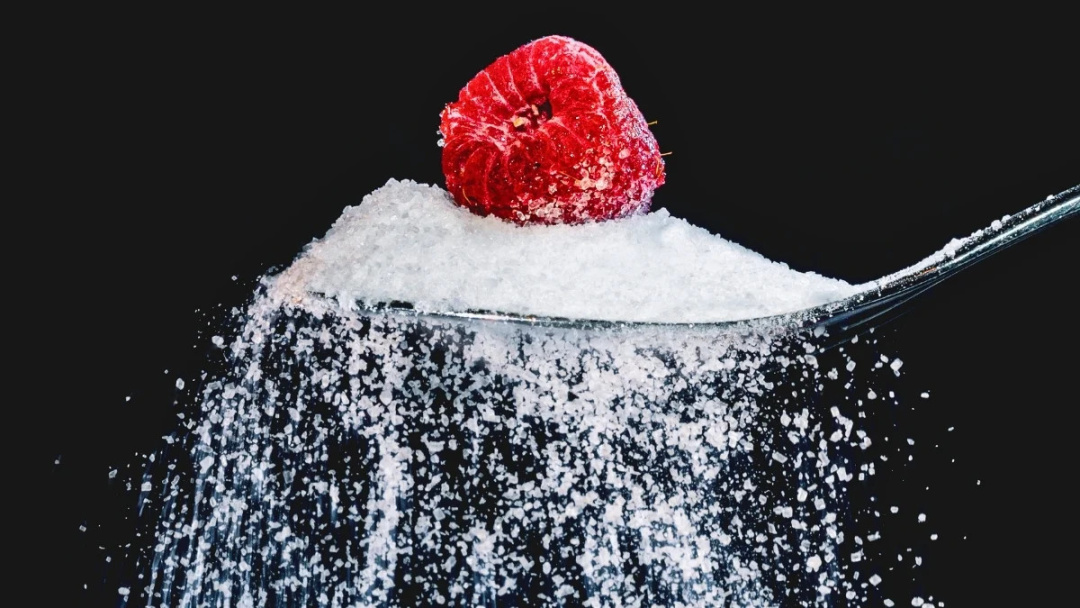
Research from the University of Colorado, Boulder, has raised concerns about erythritol, a widely used artificial sweetener, and its potential impact on stroke risk. The study, published in the Journal of Applied Physiology, indicates that erythritol may damage the blood-brain barrier, a critical defense mechanism that protects the brain from harmful substances while allowing essential nutrients to pass through.
Erythritol is favored for its low-calorie content and minimal effect on insulin levels, making it a popular choice among consumers and food manufacturers. However, the recent findings suggest that its consumption could have serious consequences for vascular health. In laboratory tests, erythritol was shown to impair the function of brain endothelial cells, which are crucial for maintaining the integrity of the blood-brain barrier.
The research team observed that erythritol led to a decrease in nitric oxide production, a molecule that helps blood vessels relax and widen. Simultaneously, the sweetener increased the production of endothelin-1, a protein that constricts blood vessels. This dual effect could heighten the risk of blood clots and strokes, as noted by physiologist Auburn Berry, who emphasized that constricted vessels combined with reduced clot-dissolving capabilities significantly elevate stroke risk.
The researchers also noted an increase in free radicals, which can cause tissue damage, and a decrease in tissue plasminogen activator (t-PA), a compound essential for breaking down blood clots. These findings corroborate previous epidemiological studies linking higher erythritol levels to increased risks of heart attacks and strokes, suggesting that erythritol's effects on endothelial cells could explain these associations.
Despite these alarming results, it is important to highlight that the study was conducted in vitro, meaning it involved isolated cells rather than living organisms. Therefore, the implications for human health remain uncertain. The body naturally produces erythritol, and elevated levels might not solely stem from dietary sources but could also indicate underlying health issues.
While some studies have suggested that erythritol could have positive effects on vascular health, the current research calls for a reevaluation of its safety as a non-nutritive sweetener. The researchers advocate for more clinical studies to explore the long-term health effects of erythritol consumption, urging individuals to monitor their intake of this and similar sweeteners.
In conclusion, while erythritol is often considered a safe alternative to sugar, the potential risks highlighted by this study warrant further investigation to fully understand its impact on metabolic health and stroke risk.