Study Reveals Long COVID's Lasting Effects on Brain's Dopamine System
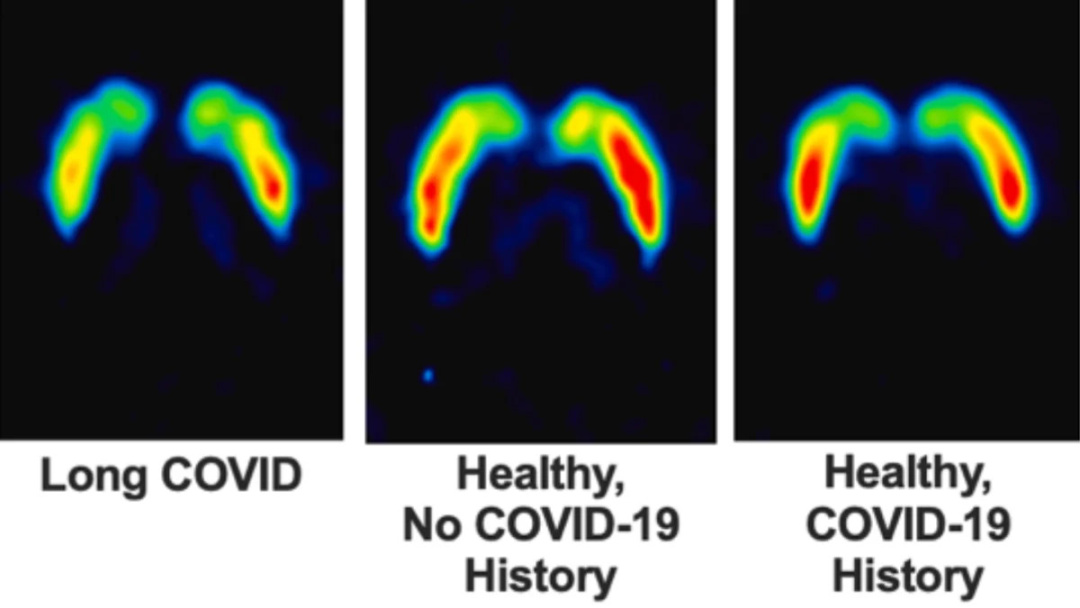
COVID-19 has been found to cause lasting brain injuries, as evidenced by brain scans showing changes in individuals suffering from neurological symptoms related to long COVID. Previous research has linked cognitive dysfunction in long COVID to various factors, including blood-brain barrier disruption and reduced brain volume. A new study conducted by Canadian researchers has revealed that individuals who developed persistent apathy and depression after their COVID-19 infection have approximately 18 percent fewer dopamine nerve endings in their brains compared to healthy individuals. Dopamine, a crucial neurotransmitter, plays a vital role in controlling movement and motivation. The reduction of dopamine nerve endings can significantly impact cognitive function and may contribute to the onset of neurodegenerative diseases. The study, published in eBioMedicine, involved analyzing positron emission tomography (PET) scans of the brains of 24 adults with long COVID and a control group of 24 healthy adults of similar age. The researchers measured the loss of dopamine nerve endings in the striatum, a brain region responsible for movement and motivation. Participants were injected with a radiotracer that binds to a protein expressed by dopamine-signaling nerves, known as vesicular monoamine transporter 2 (VMAT2), a recognized biomarker in neurodegenerative conditions like Parkinson's disease. The PET scans indicated that the loss of dopamine nerve endings in the ventral striatum correlated with decreased motivation. Furthermore, in the dorsal striatum, the loss of dopamine nerve endings in the putamen was linked to slower movement and prolonged task completion times, while damage in the caudate nucleus was associated with memory decline and difficulties in word recall. Notably, this damage to dopamine nerve endings was observed in individuals who had been living with long COVID for up to 4.6 years. Despite the small sample size, the findings are striking as they demonstrate measurable changes in brain scans. Nuclear medicine researcher Eric Guedja and neuroscientist Danielle Beckman commented on the study, emphasizing the significance of translating neuropsychiatric symptoms of long COVID into quantifiable dopaminergic signals. Jeffrey Meyer, a neurochemist at the University of Toronto, noted that the marker of nerve damage identified in this study could potentially aid in diagnosing long COVID. Meyer also mentioned that some patients might benefit from treatments aimed at increasing dopamine nerve terminal density or enhancing dopamine release from existing terminals. His team is preparing to conduct a clinical trial using a medication that influences dopamine to assess its efficacy in alleviating long COVID symptoms. This research is being conducted at the Centre for Addiction and Mental Health, where Meyer holds a patent for the treatment. There is an urgent need for validated, evidence-based treatments and diagnostic tests for long COVID, as current management strategies focus primarily on symptom relief or involve trial and error with repurposed medications. Many individuals lack access to specialized care and may be offered ineffective or outdated treatments, such as graded exercise therapy or cognitive behavioral therapy, which do not address the underlying issues. Estimates of the prevalence of long COVID following acute COVID-19 infections vary, with figures ranging from 2 to 10 percent of the infected population. Currently, at least 65 million people worldwide are believed to be living with long COVID, including 10 to 20 percent of children who have had COVID-19. This debilitating condition affects multiple organ systems and is associated with over 200 symptoms, including fatigue, memory issues, sleep disorders, concentration difficulties, dizziness, and gastrointestinal problems. Long COVID can lead to chronic conditions such as dysautonomia, cardiovascular disease, and myalgic encephalomyelitis/chronic fatigue syndrome (ME/CFS). Meyer emphasized the importance of identifying biological changes in long COVID that can explain the symptoms and developing targeted treatments to address these changes. The findings from this study underscore the need for continued research into the neurological impacts of long COVID and the development of effective interventions.