Sorghum Polyphenols Show Promise in Reducing Alzheimer's-Related Amyloid-Beta Buildup
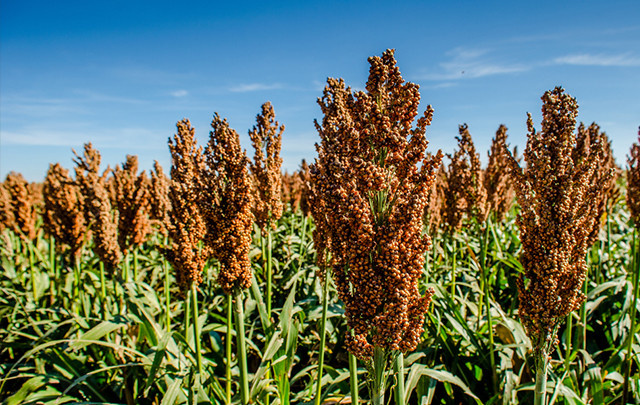
A new laboratory study has revealed that polyphenols extracted from the ancient grain sorghum can significantly reduce the accumulation of toxic amyloid-beta proteins in cultured brain cells, with reductions observed as high as 76%. Published in the journal Nutrients, the findings suggest that this drought-resistant grain, already recognized for its nutritional benefits, might one day contribute to brain health through dietary means instead of pharmaceuticals. However, researchers emphasize that these results are preliminary and not yet applicable for human consumption.
In the study, scientists extracted polyphenols from three different varieties of sorghum—black, red-brown, and red—and exposed cultured human brain cells to amyloid-beta, a protein associated with Alzheimer's disease. The extracts from sorghum demonstrated a reduction in amyloid-beta aggregation ranging from 67% to 76%, with black sorghum exhibiting the most potent effect.
Beyond reducing amyloid-beta levels, the treated cells showed over a 70% improvement in survival rates, and their mitochondria—responsible for energy production—became approximately 80% more active. Additionally, oxidative stress levels in the cells decreased significantly, and the cells activated protective genes while suppressing inflammation-related pathways, including those linked to iron-induced cell death.
These findings imply that the sorghum extracts may enhance cellular defenses on multiple fronts, which is noteworthy given the multifaceted nature of Alzheimer's, which involves chronic inflammation, oxidative stress, and mitochondrial dysfunction, rather than solely amyloid plaques.
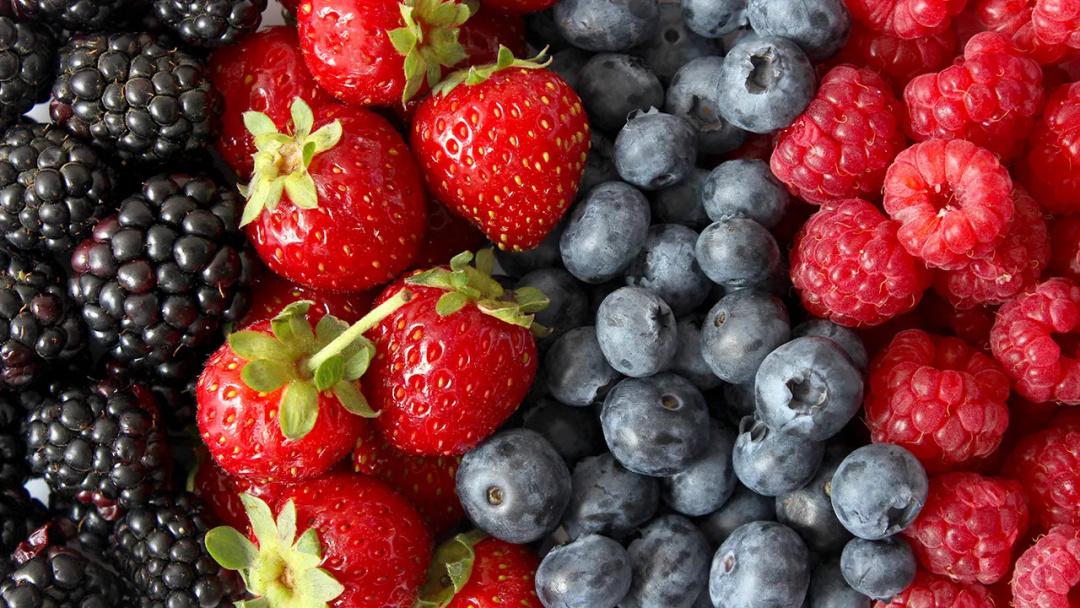
Sorghum has been a staple food in various regions of Africa and Asia for centuries, yet it remains relatively unknown in American cuisine. It is gluten-free, rich in fiber, and contains the same class of beneficial plant compounds found in foods like berries, olive oil, tea, and dark chocolate—nutrients associated with healthier brain aging.
Moreover, sorghum has practical advantages; it requires 36% less water than other grains, with over 90% of U.S. sorghum fields relying solely on rainfall, according to the United Sorghum Checkoff Program.
Researchers caution against overinterpreting these results at this stage. The study involved concentrated polyphenol extracts applied directly to cells in vitro, which is not the same as consuming sorghum as food or studying its effects in living humans. The process of digesting cooked sorghum and allowing its compounds to cross the blood-brain barrier is considerably more complex than the laboratory conditions tested. The authors of the study describe their work as an important initial step that necessitates further in vivo studies to validate efficacy before any health claims can be substantiated.
Current treatments for Alzheimer's, such as donepezil and memantine, only provide temporary relief from symptoms and do not address the underlying progression of the disease. This limitation underscores the significance of findings like these, which highlight the potential of naturally occurring compounds rather than patented pharmaceuticals as tools for protecting cognitive health in aging populations.
While no one is suggesting that sorghum should replace medical care or that its consumption alone will prevent Alzheimer's, the growing body of research indicating that food-based compounds can act on multiple health fronts, often at minimal cost and without side effects, strengthens the argument for prioritizing dietary choices as a preventive measure over seeking expensive interventions. If subsequent studies corroborate these findings, it could bolster the case for recognizing the importance of diet in preventing diseases like Alzheimer's, rather than solely focusing on treatment options.