Exploring New Treatment Avenues for Cerebral Small Vessel Disease Affecting Millions
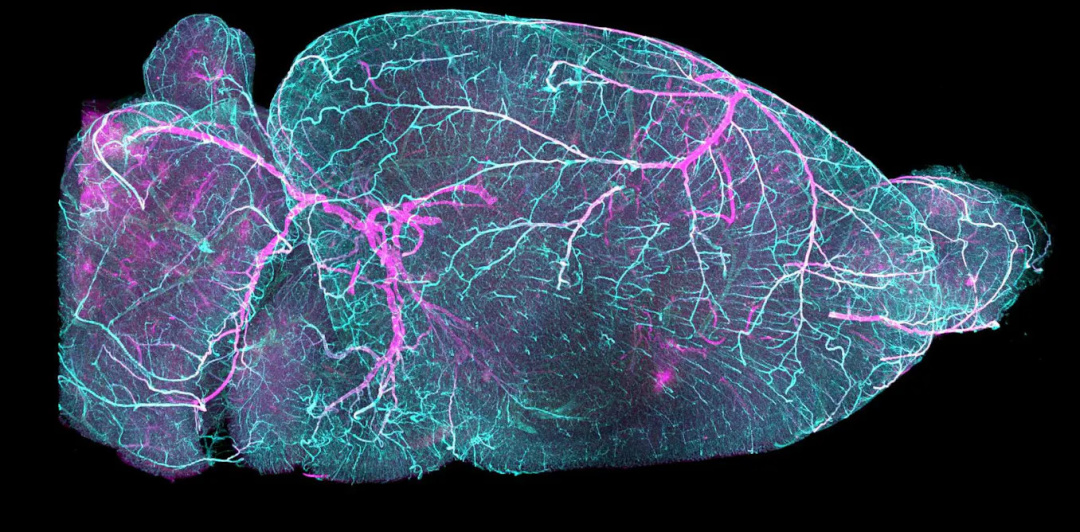
Cerebral small vessel disease (CSVD) is a chronic condition that affects the smallest arteries in the brain, which are crucial for supplying oxygen and nutrients to deep brain regions responsible for memory, attention, and coordination. This disease notably increases the risk of stroke and cognitive disorders, with estimates suggesting it affects more than 5 million individuals aged 65 and older in France alone. Currently, there is no curative treatment available, making the prevention of cardiovascular risk factors the most effective strategy to manage the condition. However, researchers are exploring promising new therapeutic avenues.
As CSVD progresses, the small arteries become stiffer, thicker, or more fragile, leading to reduced blood flow to the brain. This can result in significant consequences, including strokes, cognitive decline, and loss of independence. The disease often remains asymptomatic in its early stages, with subtle signs like slowed thinking and balance issues appearing only later. Brain magnetic resonance imaging (MRI) is the primary tool for detecting CSVD, revealing characteristic lesions such as microbleeds and white matter hyperintensities that indicate chronic brain damage.
Despite the lack of specific drugs for treating CSVD, early management of cardiovascular risk factors can slow the progression of lesions. Factors such as high blood pressure, diabetes, and cholesterol levels, along with lifestyle choices like smoking and physical inactivity, are known to influence the risk of developing the disease. However, current prevention strategies do not directly address the biological mechanisms that damage the brain's small blood vessels.
Research at the Laboratory of Cardiovascular Disease Biology in Bordeaux, led by Thierry Couffinhal, aims to deepen the understanding of CSVD's mechanisms. Recent findings have identified a protein called TRIM47, which plays a protective role in endothelial cells and helps maintain vascular integrity while limiting oxidative stress effects. The TRIM47 protein's protective action is linked to the NRF2 signaling pathway, which activates cellular repair and detoxification mechanisms. Unfortunately, this protective response tends to diminish with age, making cells more susceptible to oxidative stress and potentially contributing to CSVD development.
The research team is exploring ways to enhance the TRIM47/NRF2 pathway's activity to protect neurons and preserve the blood-brain barrier. Two primary strategies are being investigated: developing new molecules that target this protective pathway and repurposing existing drugs known to activate the NRF2 pathway. One approach involves targeting messenger RNA (mRNA) to inhibit KEAP1, a protein that suppresses the TRIM47/NRF2 system, thereby strengthening the natural defenses of cerebral blood vessels.
Additionally, drug repurposing offers a promising avenue for quicker development of treatments, as existing drugs have established safety profiles. If preclinical studies yield positive results, clinical trials could begin sooner than with entirely new drugs, potentially providing patients with new therapeutic options more rapidly.
While this research is still in the preclinical stage, it holds the promise of directly addressing the mechanisms behind CSVD, which is a leading cause of age-related cognitive decline. The ultimate goal is to protect the brain's blood vessels, thereby preserving memory, independence, and quality of life. In the meantime, measures such as controlling blood pressure, engaging in regular physical activity, avoiding tobacco, and maintaining a balanced diet remain effective strategies for protecting brain health.