New Research Uncovers Brain Mechanism Behind Fatty Food Overconsumption
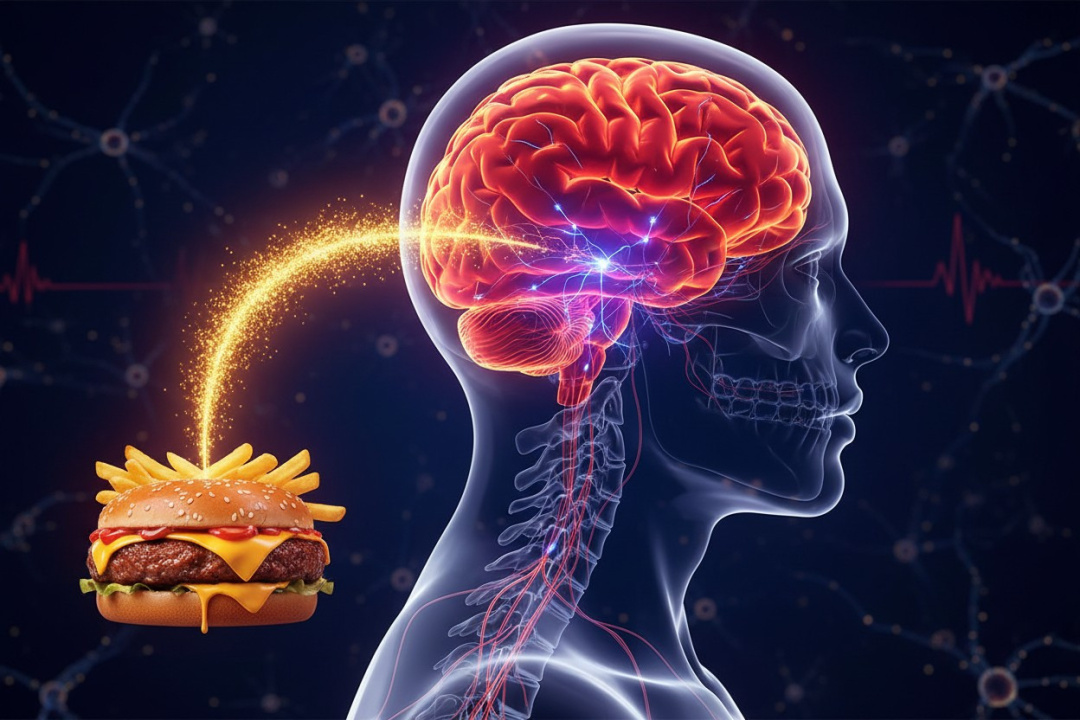
Researchers have identified a brain mechanism that may shed light on the overconsumption of fatty foods, according to a study published on August 13, 2026. This finding emerged from experiments conducted on animal models, which revealed how certain neural circuits respond to dietary fats. The study builds on previous research indicating that food addiction, characterized by the compulsive consumption of specific foods, affects a significant portion of the population, with estimates suggesting that up to 20% may meet the criteria for food addiction as defined by the Yale Food Addiction Severity Scale.
The research team, led by Dr. Kirsteen Browning from Penn State College of Medicine, utilized imaging and cellular analysis techniques to measure brain activity in test animals exposed to high-fat diets. Control groups that received standard diets showed no comparable activation, underscoring the unique response elicited by fatty foods. This study extends previous findings regarding fatty acid sensing in the brain, which demonstrated that free fatty acids can cross the blood-brain barrier and activate specific brain regions involved in appetite regulation.
The study identified a distinct neural circuit that responds to the presence of fatty acids, which was linked to continued feeding behavior. Notably, this response occurred independently of the caloric content of the food consumed. The hypothalamus, known for its role in regulating feeding behavior, contains various neurons that influence hunger and satiety. The new findings suggest that the composition of dietary fats can significantly affect these signaling pathways, potentially leading to impaired satiety and continued overeating.
Public health officials have noted that this discovery could inform future dietary guidelines, especially as ultra-processed foods dominate the American diet. The researchers emphasized the need for further studies to explore whether the same mechanisms are present in humans, as the implications for addressing food addiction and obesity are profound. They called for human trials that combine dietary records with functional brain imaging to validate their findings and determine how dietary interventions might modify this neural pathway.
While the study presents exciting new insights, the authors cautioned that the results should be interpreted carefully before applying them to human dietary recommendations. The independence of the identified pathway from caloric content suggests potential avenues for targeted interventions, but further research is essential to understand its full impact on eating behavior and health outcomes.