Levacetylleucine Modulates TFEB Activity in HeLa Cells for Niemann-Pick Disease Type C
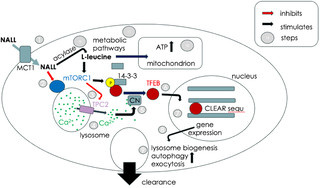
Levacetylleucine (Aqneursa™), an acetylated derivative of L-leucine, is recognized as the sole FDA-approved monotherapy for Niemann-Pick disease type C (NPC), a rare genetic lysosomal storage disease. This compound's unique acetyl group facilitates its transport across the blood-brain barrier via monocarboxylate transporters, enhancing cellular uptake and supporting mitochondrial bioenergetics. Recent studies indicate that levacetylleucine not only elevates levels of L-leucine within cells but also plays a significant role in lysosomal regulation by modulating the activity of Transcription Factor EB (TFEB), a critical regulator of lysosomal and autophagy genes. In experiments involving wild-type HeLa cells, levacetylleucine was found to promote TFEB activation and its localization to the nucleus. Conversely, in NPC1 disease models, where TFEB is typically over-activated due to lysosomal stress, treatment with levacetylleucine resulted in a reduction of nuclear TFEB levels, restoring a more balanced cytoplasmic-to-nuclear distribution. This stereospecific effect highlights the drug's potential to directly influence lysosomal and autophagic pathways, offering insights into its therapeutic applications not only for NPC but potentially for other neurological and neurodevelopmental disorders. The findings underscore the importance of understanding the multifaceted roles of levacetylleucine in cellular metabolism and its implications for treating conditions characterized by lysosomal dysfunction.














