The concept of 'dark nutrition' reflects a growing skepticism towards conventional dietary advice, leading some individuals to adopt unconventional eating practices. This article explores the implications of this trend, highlighting the risks associated with rejecting establishe…
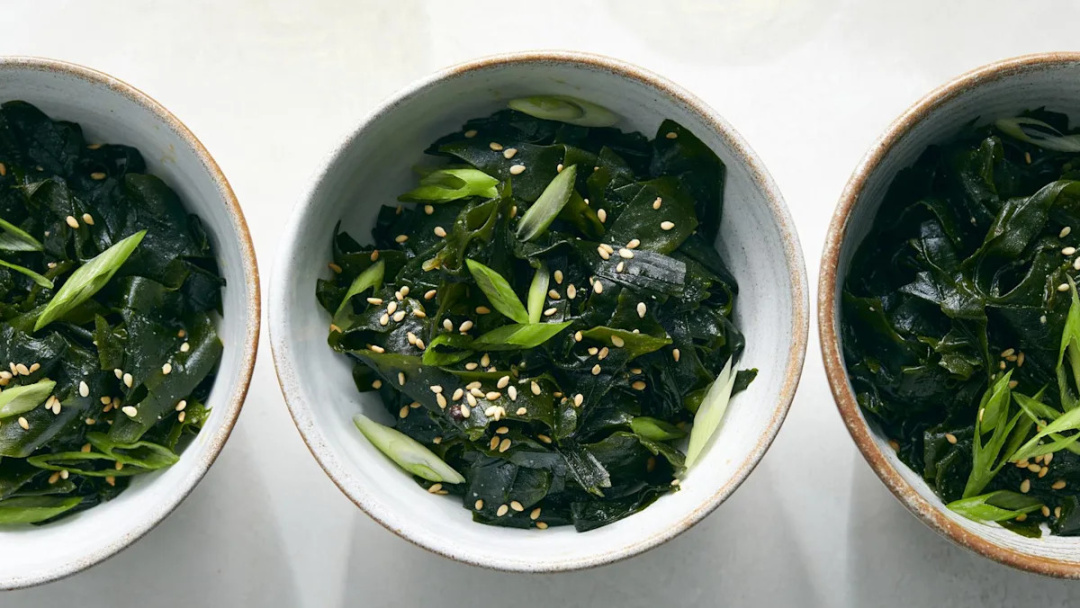
Seaweed, a versatile marine algae, offers numerous health benefits due to its rich nutritional profile. It contains essential amino acids, vitamins, and minerals, making it a valu…
As the Guiding Stars nutrition guidance program marks its 20th anniversary, it reflects on the evolution of food fads and the importance of science-backed nutrition guidance. The…
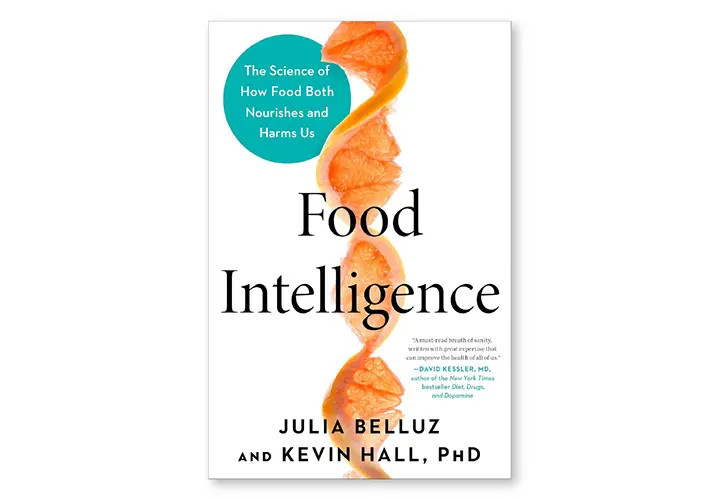
The book 'Food Intelligence' by Julia Belluz and Kevin Hall explores the complexities of nutrition science, emphasizing the need for a nuanced understanding of food choices. It ch…
The U.S. government's updated dietary guidelines have sparked debate by declaring an end to the 'war on saturated fats,' while maintaining existing recommendations to limit satura…
A recent study from Tufts University reveals that non-dairy creamer has become the leading source of added calories in coffee for Americans, surpassing sugar and milk. The researc…
A recent study published in the Journal of the Academy of Nutrition and Dietetics highlights that while Americans' coffee consumption has remained stable, the calories added throu…
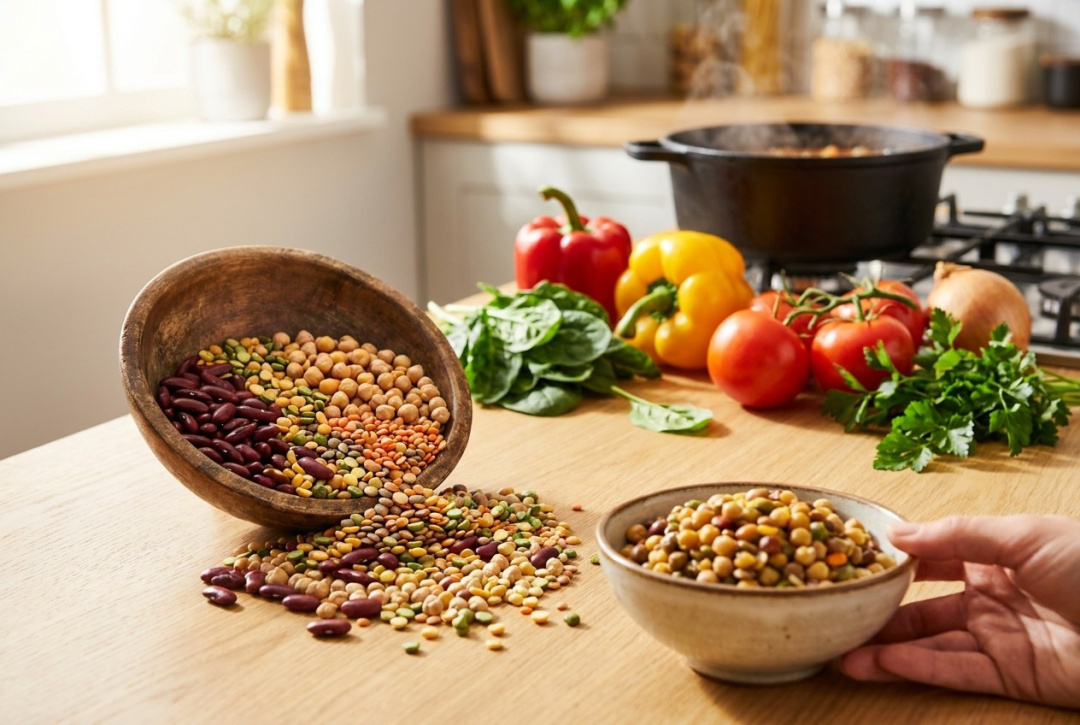
A recent study published in Current Developments in Nutrition found that higher daily consumption of pulses is associated with a 19% lower prevalence of cardiometabolic disease am…
A recent meta-analysis of 27 studies published in Current Developments in Nutrition identifies five blood-based nutrients that significantly impact heart disease risk. The study h…
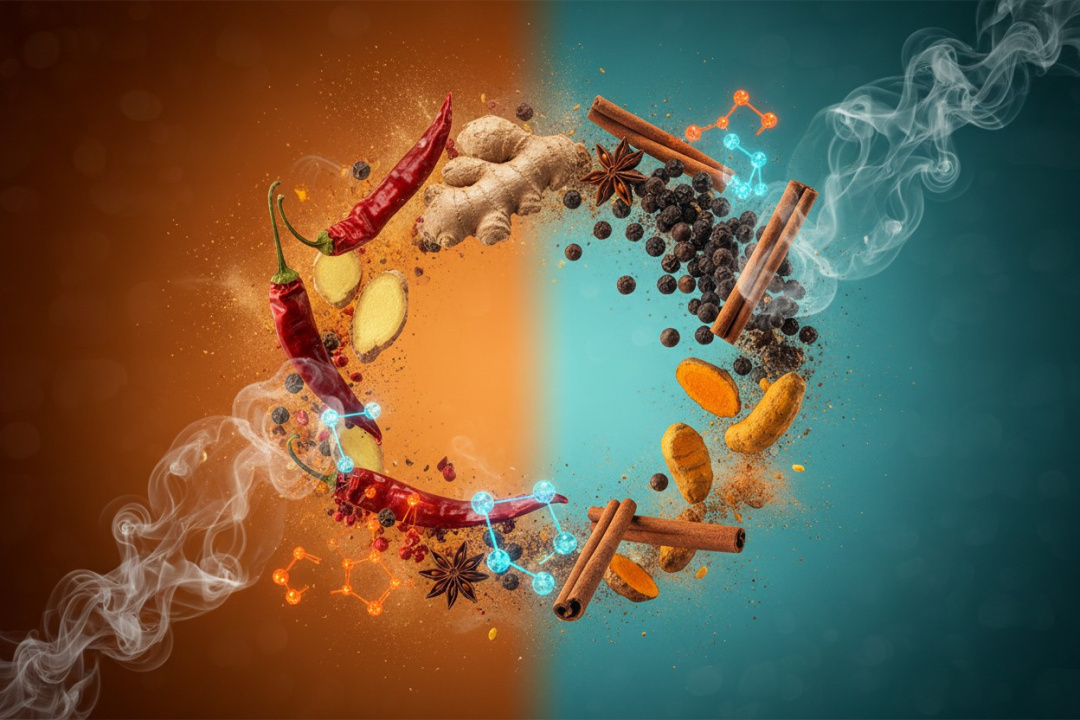
An article examines the health benefits of spicy foods, highlighting compounds like capsaicin and piperine, and their recognition in both Western nutrition science and Traditional…
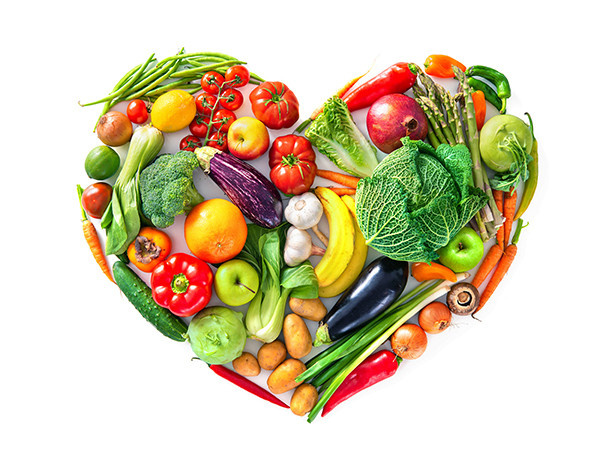
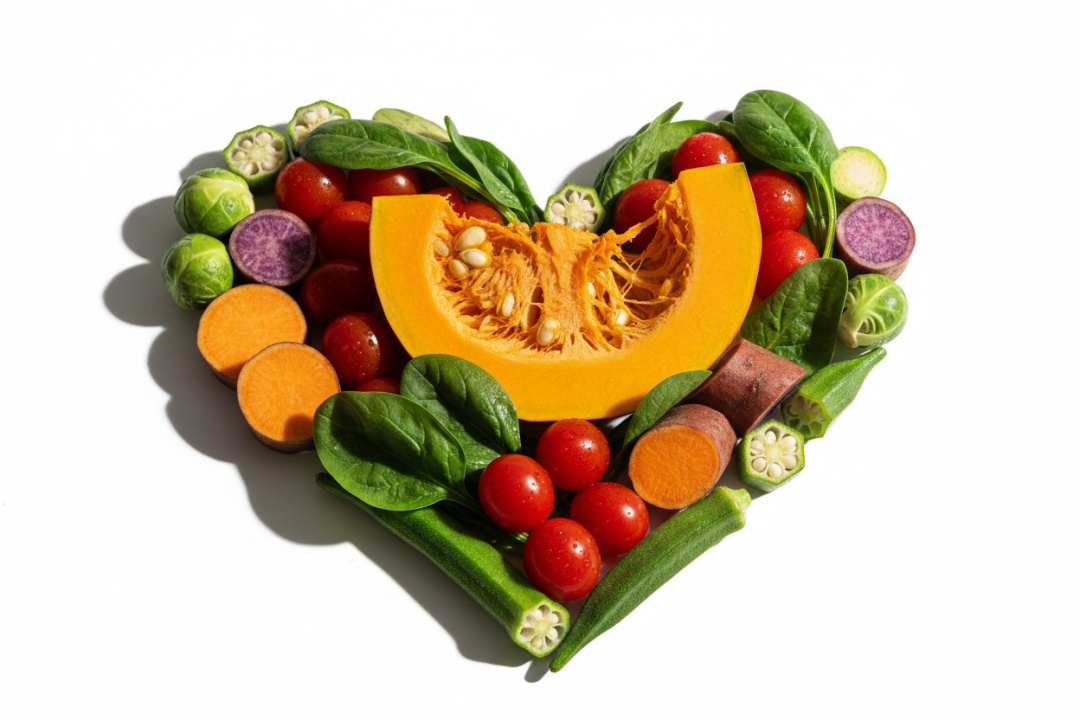
Research indicates that incorporating specific vegetables such as spinach, tomatoes, okra, pumpkin, sweet potatoes, and Brussels sprouts into the diet may help lower cholesterol l…
Research indicates that drinking two or more cups of tea daily can significantly lower the risks of heart disease, stroke, and other vascular complications. The polyphenols found…

 Breathing.Food