The Dangers of Dark Nutrition and Distrust in Dietary Science
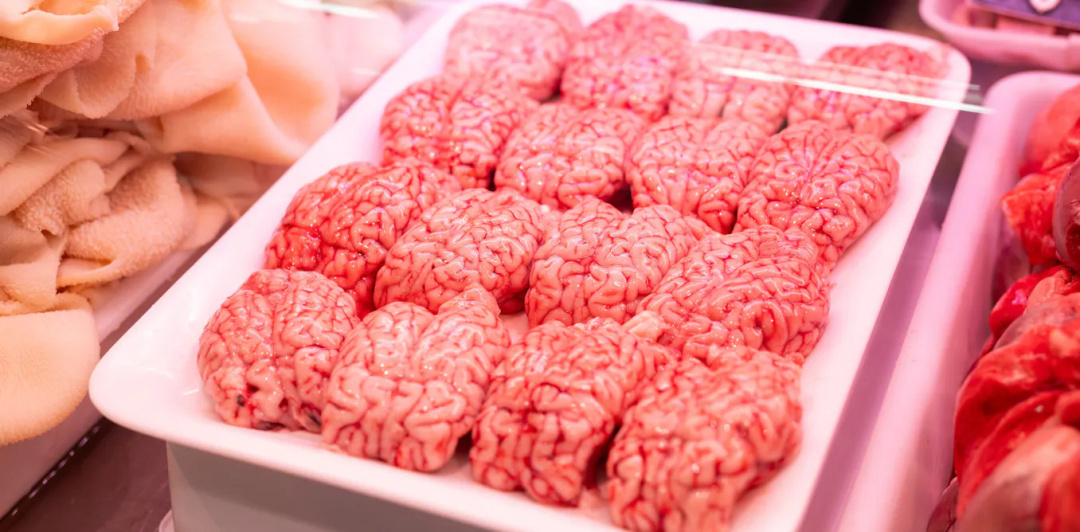
The term 'dark nutrition' has emerged to describe a mindset where individuals reject mainstream dietary advice in favor of unconventional eating practices. This shift is often fueled by a distrust of traditional sources of authority, such as doctors and public health officials. Adherents of dark nutrition may engage in practices like avoiding seed oils, consuming unpasteurized milk, or even eating raw roadkill, often stemming from concerns about food safety and health issues that conventional medicine has not resolved.
While many people find comfort in established nutritional guidelines, others feel compelled to seek alternative answers, leading to self-experimentation with their diets. This trend is exacerbated by the proliferation of information on social media and from influencers, many of whom lack the expertise to accurately interpret scientific research. Consequently, the public is often left with conflicting messages about what constitutes a healthy diet.
A historical example illustrates this confusion: the humble egg has undergone a roller-coaster of nutritional reputations over the decades. Once promoted as a staple by the British Egg Marketing Board in the late 1950s, eggs later faced scrutiny from health organizations due to concerns about cholesterol. However, research has since shown that the relationship between egg consumption and heart disease is far more nuanced than initially believed. This pattern of shifting dietary recommendations extends to other foods, including margarine, red wine, and even chocolate, contributing to public uncertainty about nutritional advice.
The complexities of nutrition science arise from the inherent challenges in studying human diets. Researchers often rely on self-reported data, which can be unreliable, and the multifaceted nature of diet and health makes it difficult to draw definitive conclusions. As a result, the evidence surrounding nutrition can appear broad and conflicting, leading to skepticism among those seeking clear guidance.
The Impact of Influencer Culture on Nutrition Choices
In today's post-truth era, where personal beliefs can overshadow scientific evidence, the rise of influencer culture has further complicated the landscape of nutrition. Individuals may prioritize anecdotal experiences over established research, which can lead to dangerous dietary choices. The risks associated with dark nutrition practices include potential foodborne illnesses from consuming raw meat and organs, as well as nutritional deficiencies from avoiding fruits and vegetables.
Navigating Nutritional Confusion
Despite the allure of alternative diets, it is crucial to approach them with a critical eye. Government dietary guidelines, based on the best available evidence, should remain the foundation of a healthy diet. While questioning conventional advice is valid, it is essential to evaluate alternative diets against the quality of evidence supporting them.
As the field of nutrition continues to evolve, it is important for consumers to remain informed and discerning. Understanding the complexities of nutrition science can help individuals make better dietary choices and avoid the pitfalls of misinformation. By grounding their decisions in credible research and established guidelines, consumers can navigate the often confusing world of nutrition more effectively. Ultimately, fostering a balanced approach to dietary advice can empower individuals to make informed choices that support their health and well-being.