Key Lessons from 'Food Intelligence' on Nutrition and Eating Habits
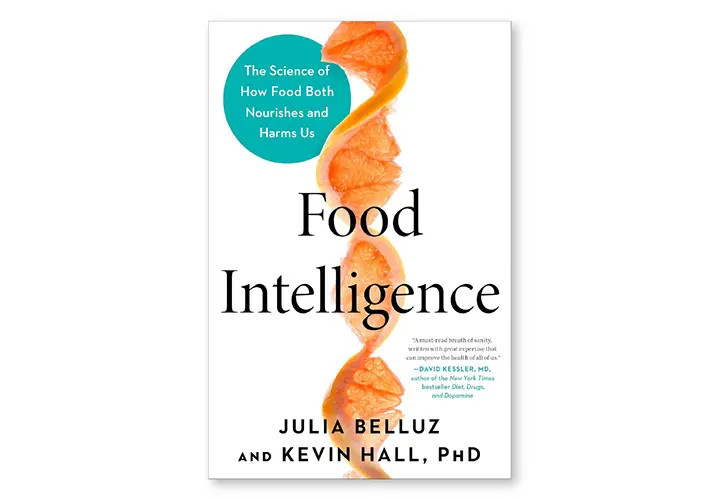
The book 'Food Intelligence: The Science of How Food Both Nourishes and Harms Us' by health journalist Julia Belluz and nutrition scientist Kevin Hall delves into the complexities of nutrition, moving beyond simplistic dietary rules. It highlights how the conversation around healthy eating has evolved, with modern discussions often focusing on protein intake, glucose management, and the scrutiny of ingredients. The authors aim to clarify what nutrition science can genuinely teach us and why many common dietary recommendations may be oversimplified.
One of the book's key messages is the importance of questioning the nutrition advice we encounter. The authors stress that while some studies may suggest certain foods should be avoided or consumed regularly, the reality is often more complicated. A single study's findings should not dictate dietary changes without considering the broader body of research. They encourage readers to maintain a critical perspective, asking how we know certain dietary claims are valid, and recognizing the difference between isolated findings and well-established scientific consensus.
The book also addresses the concept of metabolism, which is frequently discussed in wellness circles. Hall's extensive research reveals that metabolism is not a fixed entity but rather a dynamic system that adapts to various factors such as weight, activity level, and age. This perspective can be reassuring, as it suggests that individuals do not need to blame themselves or their metabolism for fluctuations in weight or energy levels. Instead, understanding metabolism as part of a complex system can empower individuals to make informed choices without feeling pressured to conform to every new trend.
Protein has become a focal point in discussions about nutrition, with many people feeling compelled to incorporate it into every meal. While protein is essential for muscle maintenance and satiety, the authors remind us that nutrition should be viewed holistically. They argue that focusing solely on increasing protein intake can lead to neglecting other vital nutrients, such as fiber and vitamins. Instead of turning every meal into a calculation of protein content, it's crucial to consider the overall quality of one's diet and ensure a variety of nutrients are included.
Ultra-Processed Takes Center Stage
The conversation around ultra-processed foods has gained traction, largely due to Hall's research demonstrating that diets high in these foods can lead to increased calorie consumption and weight gain. However, the authors caution against labeling all processed foods as harmful. They emphasize that the category of ultra-processed foods is broad and that researchers are still uncovering the specific characteristics that contribute to overeating. The practical takeaway is to prioritize whole, minimally processed foods while being mindful of heavily processed items that may not provide satisfaction.
Creating a Supportive Environment for Healthier Food Choices
Ultimately, 'Food Intelligence' encourages readers to recognize the influence of their environment on food choices. Factors such as convenience, pricing, and availability play significant roles in what we eat. The authors advocate for creating an environment that supports healthier choices, such as keeping nutritious foods accessible and preparing easy meals. This approach acknowledges that while personal choices matter, making those choices easier can lead to better outcomes.
In conclusion, the book offers a refreshing perspective on nutrition, urging readers to focus on overall dietary patterns rather than fixating on individual ingredients or rules. It promotes a balanced approach to eating, encouraging the consumption of plants, fiber, and minimally processed foods while maintaining a critical eye on nutrition headlines. Being food intelligent means discerning which information is worth attention and which is simply noise in the ever-evolving landscape of dietary advice.