Meta-Analysis Reveals Key Nutrients Affecting Heart Disease Risk
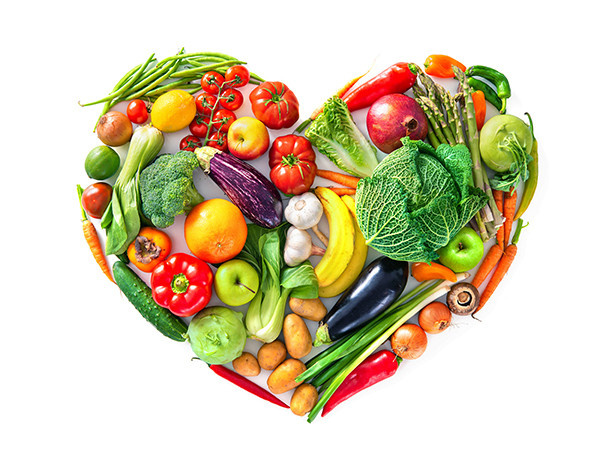
Heart disease continues to be the leading cause of death worldwide, yet the path to its prevention has often been obscured by conflicting dietary advice. A recent meta-analysis of 27 studies published in Current Developments in Nutrition sheds light on this issue by identifying five specific nutrients that are linked to heart health. This research shifts the focus from broad dietary guidelines to specific biochemical markers, urging a re-evaluation of how we approach nutrition. The findings suggest that the nutrients present in the bloodstream may have a more significant impact on heart health than what is consumed in meals.
The study emphasizes the importance of blood nutrient levels, which were measured through objective tests rather than relying on self-reported dietary habits. This method reveals a more complex picture of heart health. Three nutrients were found to be associated with a lower risk of coronary heart disease (CHD): vitamin D, carotenoids, and linoleic acid. Conversely, palmitic acid and dihomo-?-linolenic acid (DGLA) were linked to a higher risk of CHD. These results highlight the intricate nature of nutrition science, where the body's internal chemistry can diverge from dietary choices.
For instance, vitamin D, which can be synthesized by the skin through sun exposure or obtained from fatty fish, shows a clear inverse relationship with CHD risk. Similarly, carotenoids—the pigments responsible for the vibrant colors in fruits and vegetables—appear to support arterial health. Linoleic acid, an omega-6 fatty acid found in nuts and plant oils, also correlates with a lower risk of heart disease.
On the other hand, palmitic acid, a saturated fat commonly found in butter and palm oil, along with DGLA, has been associated with an increased risk of heart disease. This finding complicates the long-standing narrative that all saturated fats are equally harmful. The analysis suggests that the type and source of fats are crucial, with palmitic acid emerging as a particular concern.
The study's methodological rigor is noteworthy. By pooling data from observational studies that tracked participants' blood nutrient levels over time, the researchers minimized biases often present in food diaries. Blood tests provide a direct snapshot of the body's biochemistry, revealing that nutrient levels are influenced by metabolism, genetics, and environmental factors, not solely by diet. For example, an individual might consume foods rich in vitamin D but still have low blood levels due to factors like poor absorption or limited sun exposure. This highlights the limitations of traditional dietary advice, which often assumes a one-size-fits-all approach.
The findings also challenge the oversimplification of fats as either "good" or "bad." While saturated fats like palmitic acid are concerning, unsaturated fats found in foods like olive oil and nuts remain protective. This aligns with emerging research that emphasizes the quality of fats over their quantity.
Translating these findings into daily dietary choices requires nuance. The study does not claim that simply altering blood levels of these nutrients will automatically reduce heart disease risk, as other factors such as physical activity, stress, and preexisting conditions also play significant roles. However, the analysis reinforces the value of a diet rich in colorful produce, fatty fish, and unsaturated fats.
For example, carotenoids are abundant in foods like sweet potatoes and kale, while vitamin D can be sourced from fortified dairy products or supplements. Linoleic acid, although found in sunflower and corn oils, should be consumed in moderation due to its potential pro-inflammatory effects when overused. Reducing the intake of palmitic acid, which is prevalent in processed snacks and red meat, could be a targeted step toward better heart health.
For years, dietary guidelines have fluctuated between extremes, first demonizing all fats and later promoting low-carb diets. The findings from this meta-analysis reflect a growing consensus that heart health is dependent on a mosaic of nutrients rather than isolated components. It also aligns with the rise of Nutritarian diets, which prioritize nutrient density over food groups, emphasizing the protective role of plant-based foods.
Historically, the lipid hypothesis proposed by Ancel Keys in the 1950s blamed saturated fats for heart disease, shaping global dietary policies. Decades later, the pendulum has shifted toward a more holistic view that recognizes the interplay of nutrients as a determinant of health outcomes. This analysis contributes to that evolution, advocating for a focus on what the body absorbs rather than merely what is consumed.
Ultimately, a consistent pattern of colorful produce, fatty fish, and unsaturated fats, combined with a reduction in saturated fats, appears to be the most prudent approach to heart health. For individuals, the message is clear: nutrition transcends mere calorie counting or food group categorization; it involves the intricate interplay of nutrients within the body. As scientific understanding progresses, so too must our approach to healthy eating.