Health Benefits of Spicy Foods in Western Science and Traditional Chinese Medicine
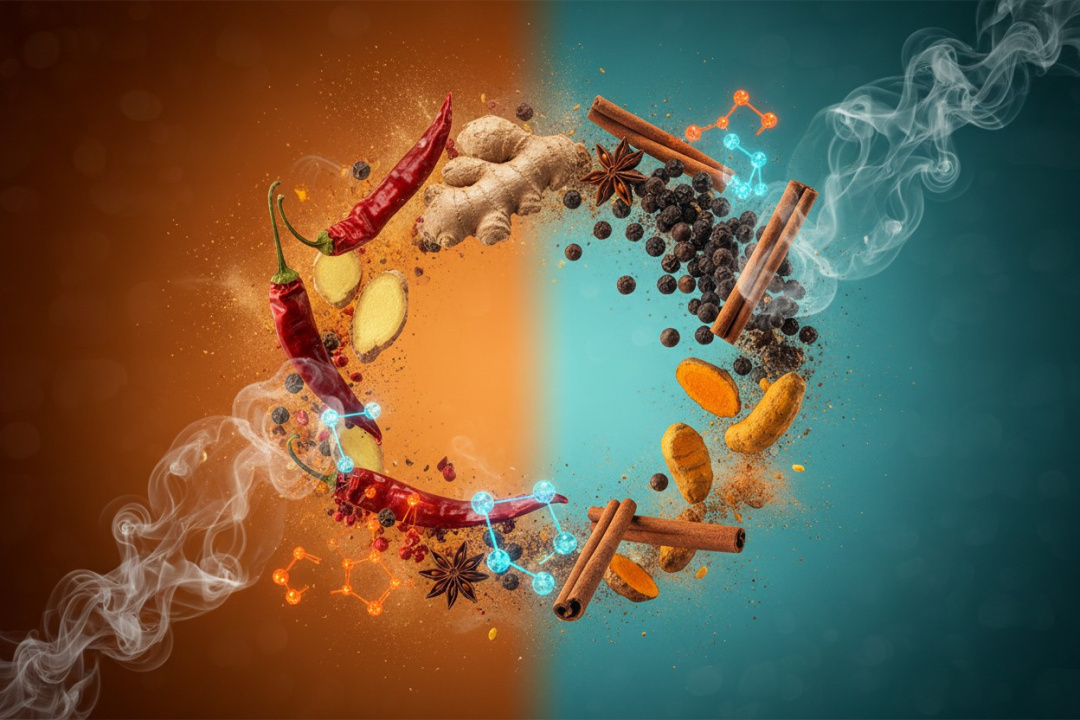
The exploration of spicy foods reveals their health benefits through the lenses of both Western nutrition science and Traditional Chinese Medicine (TCM). Key compounds identified include piperine in black pepper, capsaicin in chili peppers, and gingerol in ginger, which contribute to the unique flavors and potential health effects of these spices. TCM practitioners classify spicy ingredients as warm or hot, suggesting they help move circulation and alleviate cold and stagnation in the body. For instance, fresh ginger, scallion, and cinnamon twig are often recommended to combat cold and flu symptoms, according to licensed acupuncturist Sharon Sherman.
A significant review of over 570,000 health records indicates that individuals who consume chili peppers regularly may experience a reduction in mortality risk from heart-related issues by 26%, from cancer by 23%, and from all causes by 25%. This highlights the potential health implications of incorporating spicy foods into the diet. However, the article notes that the method of spice preparation—such as extraction and drying—can influence the potency of these compounds, which is why whole spices are generally preferred over pre-ground options.
Piperine has been noted for its ability to suppress cancer stem cells and inhibit certain liver and intestinal enzymes that typically break down nutrients before they are absorbed into the bloodstream. Ginger, on the other hand, has demonstrated antimicrobial properties in laboratory settings and contains anti-inflammatory compounds that may alleviate muscle soreness and oxidative stress, which are linked to aging and chronic diseases. Additionally, research on cinnamon extracts has shown antioxidant and antimutagenic effects.
Capsaicin is recognized for its role in reducing substance P, a neurotransmitter associated with pain signaling, making it a common ingredient in topical creams for conditions like arthritis and nerve pain. Clinical trials have confirmed its efficacy in providing symptom relief for osteoarthritis and neuropathy. However, the article clarifies that the benefits of capsaicin are primarily realized through topical application rather than dietary consumption.
Furthermore, capsaicin is known to stimulate thermogenesis, which can lead to increased calorie burning, although the weight loss effects are modest and should not replace a balanced diet or exercise regimen. It may also contribute to lower blood pressure and cholesterol levels, thereby reducing cardiovascular risks. The TRPV1 receptor pathway, targeted by capsaicin, plays a crucial role in pain relief, thermoregulation, inflammation, and metabolism, making it a subject of ongoing research.
In TCM, the consumption of spicy foods is believed to influence the body's internal balance, or qi, which encompasses blood flow and the dynamics of yin and yang. The classification of spicy ingredients as warm or hot is thought to enhance circulation and alleviate cold sensations. A recent report on natural remedies for heartburn echoed this perspective, citing TCM physician Dr. Naiwen Hu's recommendations for simple measures like sipping warm water.
Flavor plays a significant role in TCM, where different tastes are associated with specific bodily functions. For example, pungent flavors are believed to promote sweating, while bitter flavors are thought to descend and bland flavors absorb excess fluid.
Moderation is emphasized by Dr. Reuben Chen, a TCM practitioner, who advises that signs of excess heat, such as dry mouth or irritability, indicate a need to reduce warming spices. TCM suggests cooling remedies like mung bean soup and chrysanthemum tea to counteract these effects.
In Western research, capsaicin's interaction with sensory nerves has been shown to produce analgesic effects through desensitization, which aligns with its traditional applications for pain relief. The pungency of spicy foods is recognized as a direct stimulation of somatosensory nerve fibers, explaining the sensation of heat.
Sophia Deahl, a registered dietitian, notes that cooking with spices is generally safe and beneficial. However, individuals on blood thinners should consult healthcare providers before using high doses of turmeric, ginger, or garlic supplements due to potential bleeding risks.
To ensure safety and quality, it is recommended to purchase whole spices and grind them at home to avoid adulteration and fillers often found in pre-ground varieties. A study highlighted by David Goldman revealed lead contamination in a significant percentage of turmeric samples from various countries, underscoring the importance of sourcing spices carefully. Proper storage of dried herbs and spices in cool, dark places is also advised to maintain their quality.