Exploring the Nutritional Benefits of Seaweed for Everyday Health
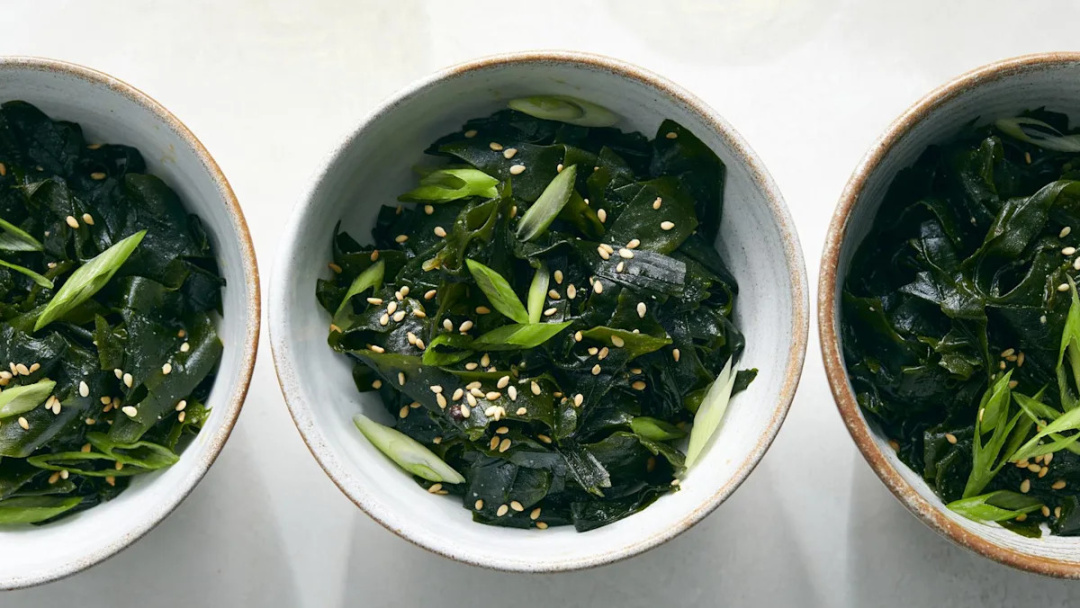
Seaweed, often recognized as a staple in sushi, is not a plant but rather a collective term for thousands of marine algae species. These organisms harness sunlight for growth, absorbing nutrients directly from seawater, which has led to increased interest in their potential as a sustainable food source.
Among the many edible varieties of seaweed are nori, wakame, and kombu, each offering unique health benefits. Seaweed is particularly rich in polysaccharides, which are complex sugar molecules that form the structural walls of plant and algae cells. While some of these polysaccharides are indigestible by humans, they play a crucial role in supporting beneficial gut microbes. According to Shelly Wegman, a clinical dietitian at the University of North Carolina Rex Hospital, these microbes ferment polysaccharides into short-chain fatty acids, which are vital for gut health as they help fuel and repair the cells lining the gut.
In addition to promoting gut health, seaweed is notable for containing all nine essential amino acids, which are the building blocks of protein necessary for muscle and tissue development. The protein content varies by type, but dried nori can contain up to 47 percent protein by weight, surpassing that of chicken breast when compared gram for gram. However, typical serving sizes of seaweed are small, so it may not provide a complete meal's worth of protein, as noted by Yvonne Yuan, an associate professor at the Toronto Metropolitan University School of Nutrition.
Seaweed's growth in mineral-rich seawater contributes to its higher concentrations of certain nutrients compared to terrestrial plants. Notably, it is a good source of iron, which is essential for transporting oxygen throughout the body, and Vitamin B12, which is crucial for the formation and maintenance of healthy red blood cells and nerve cells. These nutrients are often deficient in plant-based diets, making seaweed a beneficial addition, as highlighted by Ingrid Undeland, a professor of food and nutrition science at Chalmers University of Technology in Sweden.
Seaweed's Nutrient Density in Daily Diets
For example, a typical serving of five grams of dried nori can provide approximately 1.4 milligrams of iron, accounting for about 17 percent of the recommended daily intake for men and 8 percent for women, with pregnant women requiring more. Furthermore, a sheet of dried nori can contain around 80 percent of the daily requirement for Vitamin B12.
Nutritional Insights and Considerations
However, it is important to note that some types of seaweed may contain excessive levels of iodine, which is necessary for thyroid hormone production but needed only in trace amounts. This highlights the importance of moderation when incorporating seaweed into one's diet.
In summary, seaweed presents a wealth of nutritional benefits that can enhance dietary variety and support overall health. Its unique composition makes it a valuable food source, particularly for those following plant-based diets. As interest in sustainable food sources continues to grow, seaweed's role in nutrition is likely to become increasingly significant, providing essential nutrients that contribute to a balanced diet. Incorporating seaweed into meals can be an easy and delicious way to boost nutrient intake while enjoying its unique flavors and textures.